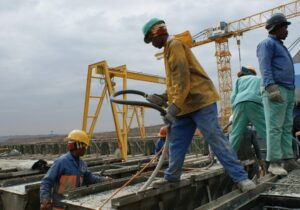


Lindie Fourie, Operations Manager at BCCEI
“Every member of the workforce must be focused on safe operations and the correct application of their skills and training,” she says. “Knowing they are being treated and paid fairly makes a tangible difference to the dedication and accountability with which they perform their duties.”
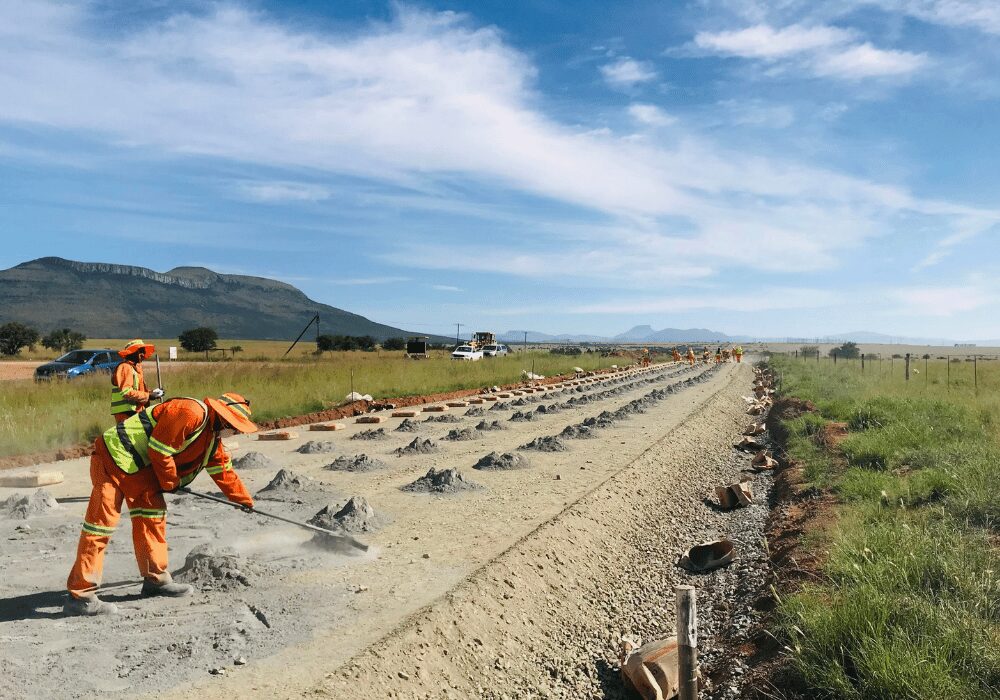
In a highly competitive market, labour certainty helps civil engineering contractors manage risk, protect margins and deliver projects more efficiently.

“This certainty and fairness are critical in any workplace but they take on added importance in construction where employees spend long hours outdoors, often exposed to demanding conditions,” Fourie notes.
Fair wages and consistent working conditions also strengthen the risk profile of civil engineering contracts. With competition intensifying and public sector budgets under pressure, even short delays or stoppages can severely erode already thin margins. Rework, disruptions and penalties for late delivery place further strain on contractors. “When contractors understand the wage framework – not only for the current year but for the years ahead – they can price more accurately and plan more effectively,” she explains. “That certainty removes a significant source of risk during project execution.” For collective agreements to deliver their intended stabilising effect, however, they must be observed by all participants on site, including smaller subcontractors. Fourie emphasises that membership of the BCCEI is not optional, regardless of company size. “While large established contractors typically lead civil engineering projects, they rely on numerous smaller subcontractors to meet the local participation targets and to execute specialised tasks, spreading opportunity and value,” she says. “If any party underpays workers relative to agreed wage levels, it can quickly become a point of contention that disrupts progress.” A level playing field is therefore fundamental to the BCCEI’s mandate. By ensuring that labour costs are aligned across the value chain, contractors and subcontractors alike can tender realistically and competitively.“Contractors strive to manage and mitigate every risk on a project,” Fourie concludes. “Ensuring that labour conditions are clear, fair and consistently applied removes a significant variable from the productivity equation.”Ultimately, fair wages are not simply a compliance requirement. In a sector defined by risk, tight margins and demanding delivery schedules, they are central to stability, efficiency and sustained productivity.