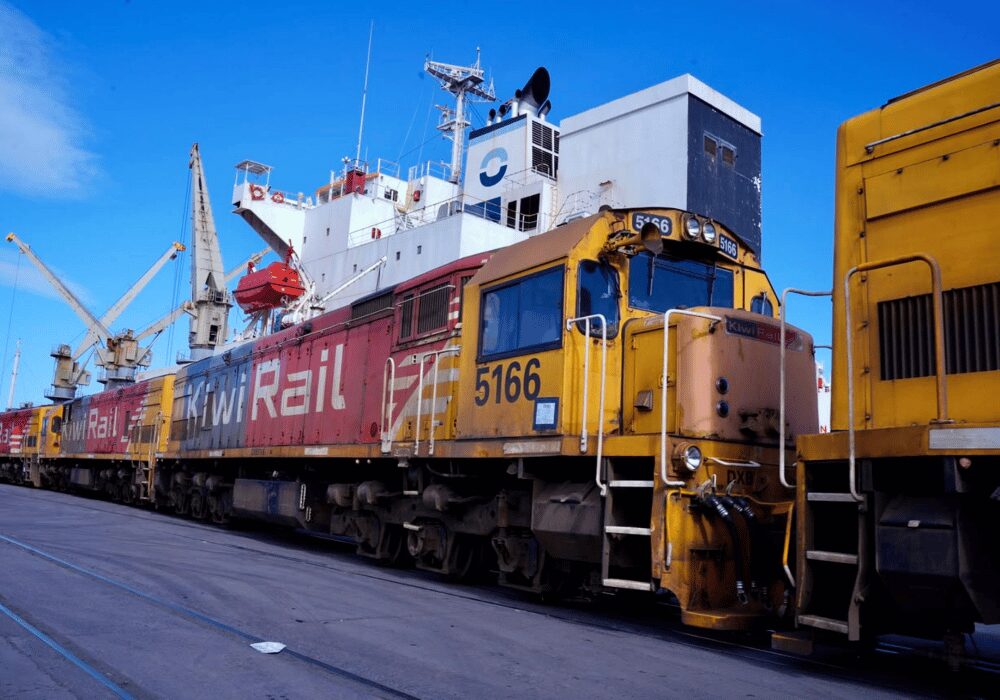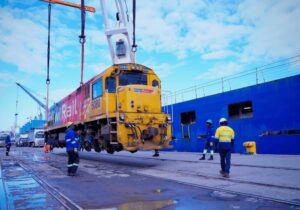

The first eight Wabtec C28 locomotives have arrived at the Port of Durban from New Zealand, marking the first shipment under Traxtion’s R1.8 billion rolling stock investment programme and an important milestone in expanding freight rail capacity across Southern Africa.
Following their arrival in Durban, the eight locomotives will be transported to Traxtion Rail Services Hub in Pretoria, where refurbishment and upgrades are scheduled to commence in September 2026 before entering commercial service. The arrival marks the first of four planned shipments that will see 46 locomotives introduced over the next two years. The program includes the planned acquisition of 920 wagons for a further R1.6 billion, marking a total planned investment of R3.4 billion. Traxtion announced in May the successful close of a R1.5 billion equity subscription underwritten by Harith, Stanlib and Standard Bank. “The future of freight depends on collaboration between government and the private sector, backed by the kind of long-term investment needed to build capacity and unlock economic opportunity,” says James Holley, CEO of Traxtion. “Every investment of this nature creates a multiplier effect that extends beyond rail, supporting jobs, strengthening supply chains and enabling economic growth.”Backing reform with investment
The arrival of the first shipment comes at a pivotal time for South Africa’s rail sector as government continues implementing reforms to increase private sector participation and expand freight rail capacity. Transport Minister Barbara Creecy recently noted that South Africa’s freight rail reform programme has moved beyond planning and policy formulation to implementation. Government has identified greater private sector participation as a critical component of revitalising the country’s rail network, with reforms focused on enabling third-party access to the freight rail system and creating a more open and competitive market. The introduction of private train operating companies marks a significant shift in the structure of the industry, providing greater opportunities for the upstream economy to unlock additional rail capacity and the associated economic growth. The forthcoming Version 4 of the Rail Network Statement is expected to provide greater transparency and certainty around access to the national rail network, creating a more enabling environment for investment and giving operators the confidence to commit capital to long-term projects that expand freight capacity and improve service delivery.
“The transformation of South Africa’s rail sector will require sustained investment, with a collaborative approach and keeping innovation at the heart of any new development. While policy reform provides the framework for greater private sector participation, infrastructure investment is what enables that vision to become an operational reality,” adds Holley.“For reform to succeed, policy must be matched by investment. The cost of trains means that businesses need to raise significant amounts of equity and debt. Equity investors into the sector need certainty which encourages long-term commitments, and the next version of the Network Statement is expected to be an important step towards creating that certainty. Once equity has been raised debt capital markets open up. When equity and debt capital markets have the confidence to invest, the benefits extend well beyond individual operators to manufacturers, engineering businesses, suppliers and the communities that depend on a stronger economy.”
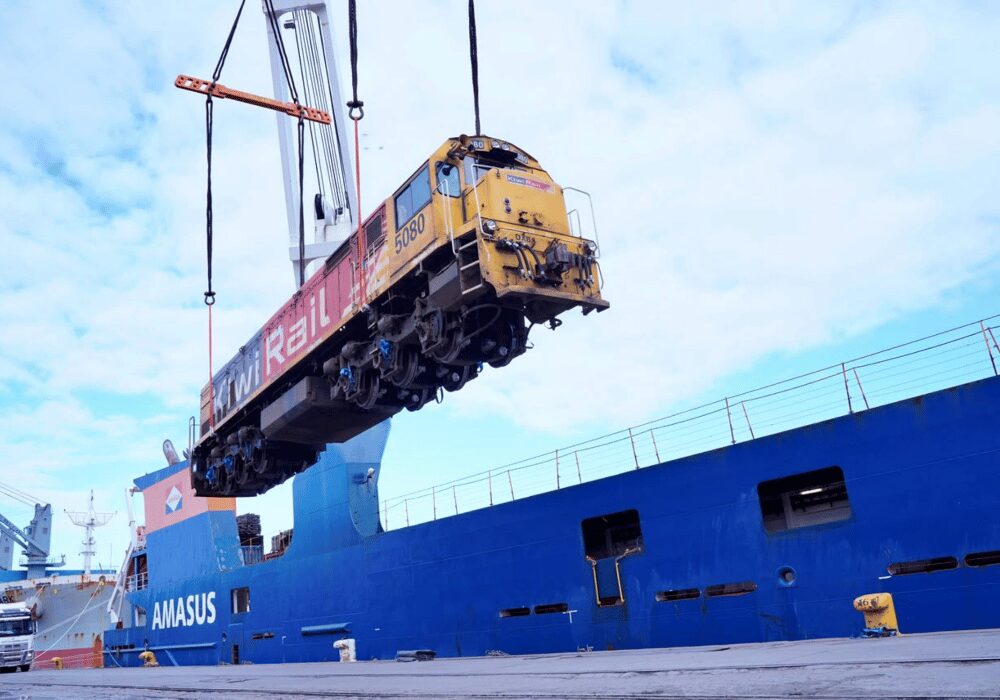
Traxtion Wabtec C28 locomotive
Strengthening freight capacity for economic growth
A more efficient freight rail network is critical to South Africa’s competitiveness, particularly as businesses seek more reliable and cost-effective ways to move goods to domestic and international markets. Rail plays an important role in transporting bulk commodities, agricultural products, manufactured goods and containerised freight, connecting industrial centres with ports and regional markets. Government has set an ambition of increasing annual freight rail volumes to approximately 250 million tonnes from the current level of around 160 million tonnes through greater collaboration between the public and private sectors. Traxtion’s rolling stock investment is expected to contribute capacity equivalent to approximately four and a half million tonnes, demonstrating both the significance of private sector investment and the scale of the opportunity that remains as the sector continues to open. Together, the 46-locomotive investment programme will expand freight rail capacity while supporting local engineering capability, refurbishment expertise and skilled employment through work undertaken in South Africa. The programme includes 78% local procurement, 60% local content, 665 new permanent and highly skilled jobs, reduced emissions through the upgrade of the locomotives with new and latest generations 3300 horsepower Wabtec engines. Expanding rolling stock capacity is a critical step in enabling more freight to move by rail. This investment also supports the broader shift towards a more diversified freight rail sector, where public and private sector capabilities work together to expand capacity and improve service delivery across the network.