
MBAWC urges smarter planning and climate-resilient infrastructure as the Western Cape faces increasing extreme weather and flooding risks.
Weather-related disasters have increased fivefold globally over the past 50 years, while the economic losses associated with these events have risen sevenfold, according to the World Meteorological Organisation (WMO).
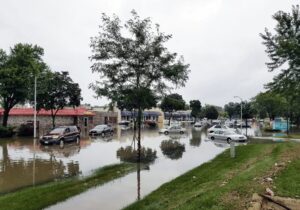
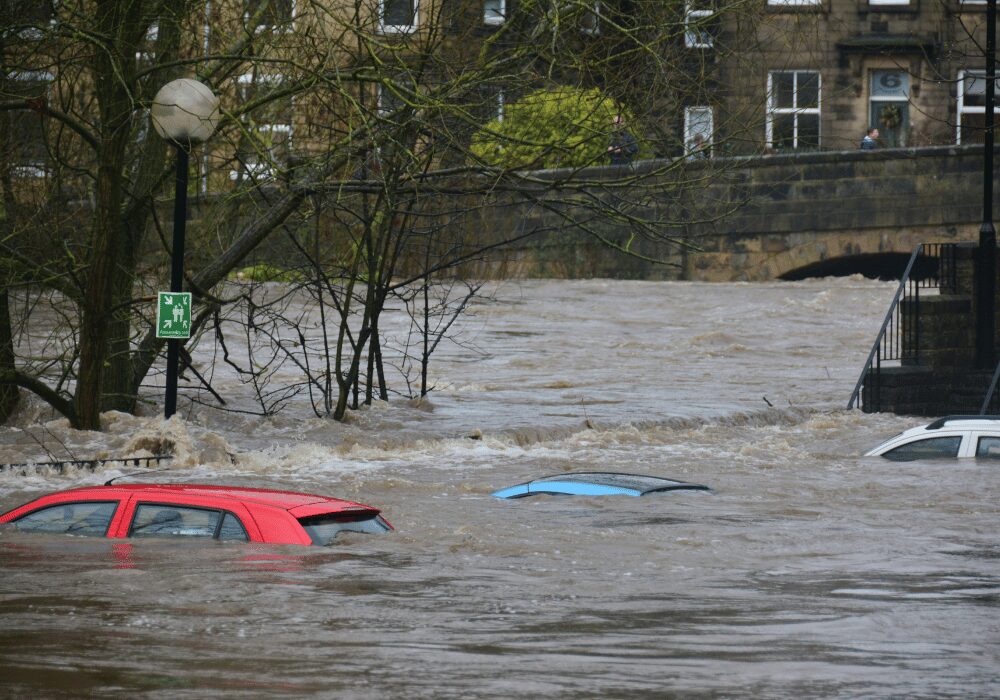
As the Western Cape recovers from recent flooding and climate experts warn that a strengthening El Niño could intensify weather extremes in the months ahead, the province faces a critical opportunity to rethink how it plans, designs and builds. The focus can no longer be on recovery alone, but on creating communities, infrastructure and buildings better equipped to withstand future shocks. The recent floods demonstrated the disruption extreme weather can cause, damaging roads, isolating communities, interrupting businesses and affecting properties across the province. Yet the floods also revealed something encouraging. Much of the province’s infrastructure performed remarkably well under difficult conditions, demonstrating the value of long-term investment, sound engineering and effective disaster response. The challenge now is to build on those strengths while addressing the vulnerabilities that the floods exposed. According to Petra Devereux, Executive Director of the Master Builders Association Western Cape (MBAWC), the lesson is not simply to rebuild what was damaged, but to build back smarter.“Extreme weather can no longer be treated as an exception,” says Devereux. “It must be built into long-term planning, infrastructure investment and development decisions. The floods highlighted vulnerabilities in ageing infrastructure, drainage systems and planning approaches that need to evolve.”Climate projections suggest that the Western Cape is likely to experience greater variability in future, including periods of intense rainfall, flooding, stronger storms, droughts and prolonged heat. While these events place obvious pressure on public infrastructure, their impact extends much further.
 Homes can suffer structural damage, businesses face costly disruptions, transport networks can fail, and vulnerable communities often carry the greatest burden. True resilience requires planning that considers both infrastructure and social realities.
The floods also reinforced an important reality: resilience is not determined solely by how well infrastructure performs during a disaster, but by the decisions made years before that disaster occurs.
South Africa already has robust building regulations and engineering standards. The greater challenge lies in consistent implementation, maintenance and ensuring that planning assumptions evolve alongside changing climate conditions.
Homes can suffer structural damage, businesses face costly disruptions, transport networks can fail, and vulnerable communities often carry the greatest burden. True resilience requires planning that considers both infrastructure and social realities.
The floods also reinforced an important reality: resilience is not determined solely by how well infrastructure performs during a disaster, but by the decisions made years before that disaster occurs.
South Africa already has robust building regulations and engineering standards. The greater challenge lies in consistent implementation, maintenance and ensuring that planning assumptions evolve alongside changing climate conditions.
Designing for future climate scenarios, rather than past weather patterns, will be critical. Infrastructure, buildings and stormwater systems must be built to withstand tomorrow’s realities, not yesterday’s conditions.
“Climate resilience must become central to planning, investment and development approvals,” says Chandré Abrahams, Chairman of the MBAWC Marketing Committee.“Recent floods demonstrated the strength of much of the built environment but also highlighted the need for future-focused planning and infrastructure that can keep pace with changing climate realities.” Preparation is almost always more cost-effective than recovery. As Devereux points out, investing in resilient infrastructure, maintenance and climate-smart design can help avoid the far greater costs of disaster response, repairs and business disruption. Turning resilience into reality starts with smarter planning. Flood-risk mapping should inform development decisions, while continued investment in stormwater systems, drainage networks and other critical infrastructure must be matched by ongoing maintenance and upgrades. Building design must evolve too. Developments must also incorporate resilient materials, effective drainage, flood mitigation, energy efficiency and climate-smart design to withstand and recover from extreme weather. Achieving this requires collaboration across the entire built environment value chain. Urban planners, architects, engineers, contractors, developers and government all have a role to play in identifying risks and integrating resilience from the earliest stages of a project. For homeowners and businesses, resilience also starts with practical action. Maintaining roofs, gutters and drainage systems, improving waterproofing, managing stormwater runoff, reviewing insurance cover and developing emergency response plans can all significantly reduce future damage. The MBAWC also encourages homeowners and businesses seeking guidance on repairs, maintenance or resilience upgrades to engage with qualified industry professionals and reach out to the Association for advice on best practice and accredited expertise. Ultimately, extreme weather events cannot always be avoided, but their impact can be reduced by ensuring buildings, infrastructure and communities are better prepared to withstand, recover from and adapt. A climate-resilient Western Cape will depend on smarter planning, consistent implementation and collaboration across the built environment. The question is no longer whether the province will face further climate challenges, but whether we are preparing for them today.