Discover how decentralised treatment, water reuse, digital technology and circular infrastructure can strengthen South Africa’s water security.
Why resilient, decentralised and circular water infrastructure is key to South Africa’s water security.
South Africa doesn’t have a water crisis on the horizon. It has one right now. Ageing pipes, rapid urbanisation, erratic rainfall, and growing industrial demand have converged on a system that was never built for this kind of pressure. The gap between what existing infrastructure can deliver and what the country actually needs is widening, and patching old networks isn’t going to close it. What’s needed isn’t more of the same, built bigger. It’s a different approach entirely.The limits of centralised thinking
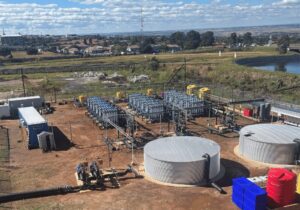
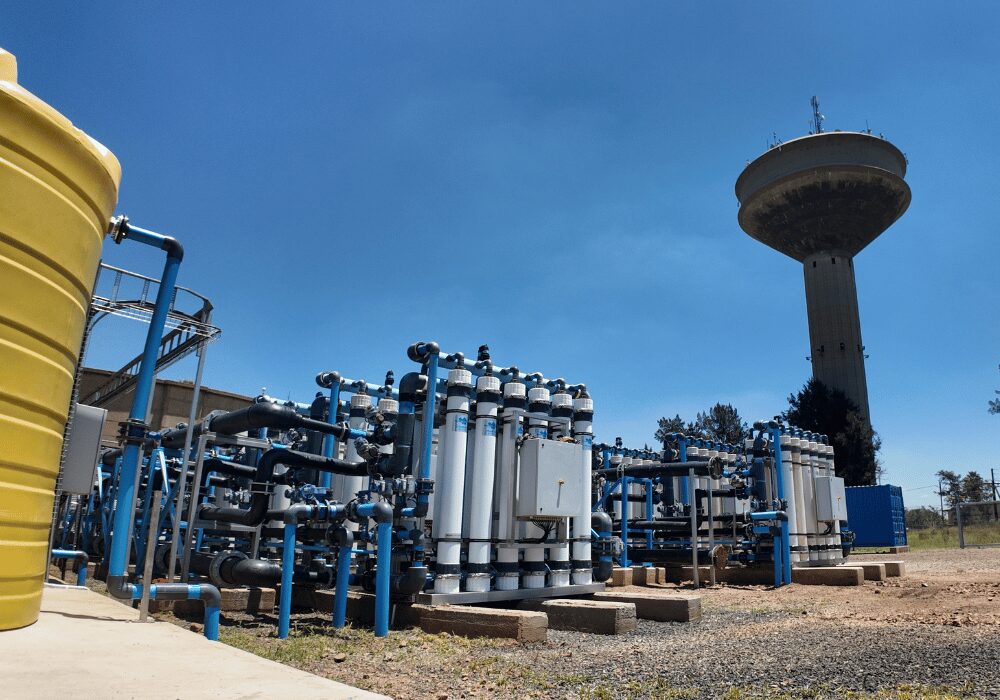
The logic behind large, centralised treatment plants made sense when it was designed. Water moves one way, from source, through treatment, to tap. Simple, scalable, controllable. The problem is that this model assumes stability: consistent water quality, predictable demand, reliable supply. South Africa has none of those things in abundance right now, and is likely to have less of them in the future. Decentralised infrastructure doesn’t replace centralised systems, it takes pressure off them. Smaller treatment plants, deployed closer to where water is actually needed, can come online faster, adapt to local conditions, and keep communities and industries running when the main network falters. Membrane filtration, modular treatment units, and advanced potable water systems have matured to the point where this is no longer an experimental approach. It’s a practical one.Wastewater isn’t waste
The clearest opportunity in South Africa’s water sector is also one of the most underused: the water that’s already been used once. For decades, wastewater management meant treatment and discharge. The goal was to meet compliance standards and move on. That framing is shifting, partly because the technology to recover high-quality water from wastewater streams has improved dramatically, and partly because the alternative, drawing indefinitely on declining freshwater reserves, is no longer viable. It’s worth being direct about something that still makes people uncomfortable: almost every water source in South Africa is, in some sense, already recycled. Water discharged upstream gets abstracted downstream. The question isn’t whether water gets reused, it’s whether it gets treated properly before it does. Deliberate reuse with proper treatment is safer and more controlled than the unplanned reuse that’s already happening by default.
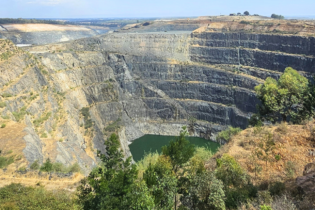
Industrial water recovery, mine water treatment, advanced membrane systems, these aren’t niche technologies. Across the country, they’re already supplementing traditional supply, cutting costs, and reducing the environmental footprint of water-intensive operations. The case for circular water management isn’t theoretical. It’s playing out on the ground.
Efficiency isn’t a target, it’s a competitive advantage
 Water productivity rarely gets the same attention as water supply, but it should. In mining, manufacturing, agriculture, and municipalities alike, the fastest and most cost-effective way to extend water security is to use what you already have more carefully.
Non-revenue water losses in many South African municipalities exceed 40%. Process inefficiencies in industry mean significant volumes of water, and the energy and chemicals used to treat it, are effectively written off. Fixing these problems doesn’t require new infrastructure. It requires operational discipline and, increasingly, the data to support better decisions.
Water productivity rarely gets the same attention as water supply, but it should. In mining, manufacturing, agriculture, and municipalities alike, the fastest and most cost-effective way to extend water security is to use what you already have more carefully.
Non-revenue water losses in many South African municipalities exceed 40%. Process inefficiencies in industry mean significant volumes of water, and the energy and chemicals used to treat it, are effectively written off. Fixing these problems doesn’t require new infrastructure. It requires operational discipline and, increasingly, the data to support better decisions.
Technology that actually helps
Real-time monitoring, digital twins, and predictive analytics are changing what’s operationally possible in water treatment. Instead of responding to failures after they happen, operators can identify problems early, optimise performance continuously, and extend the working life of assets that would otherwise degrade unnoticed. But technology only works if people know how to use it. The water sector faces a skills challenge that infrastructure investment alone won’t solve. Operators need training. Support teams need modern tools. And the sector needs to become the kind of career that attracts strong engineers and process specialists, people who see water treatment as an interesting problem worth solving, not a utility function to manage.What’s actually required
South Africa’s water future gets secured through specifics, not slogans. It gets secured by municipalities and industries choosing to treat water as a recoverable resource rather than a consumable. By infrastructure decisions that prioritise flexibility over scale. By operators equipped with better data and better skills. And by a sector willing to adopt solutions that are available now rather than waiting for circumstances to force the issue.The technology exists. The case is proven. What’s needed is the will to implement it, at pace, and at scale.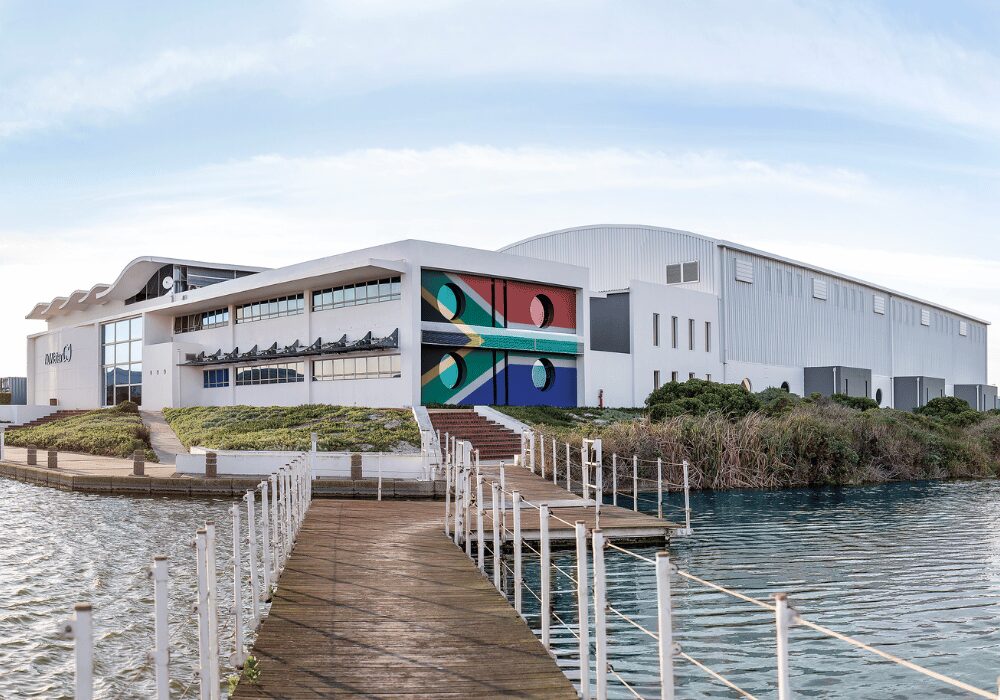
Who is NuWater?
NuWater is a South African smart water treatment company specialising in modular, mobile and rapidly deployable treatment plants. Its solutions cover water, wastewater, seawater desalination, groundwater, surface water, industrial effluent and water reuse. The company designs, builds, finances, operates and maintains plants, helping clients improve water security through decentralised, scalable treatment solutions.“It’s worth being direct about something that still makes people uncomfortable: almost every water source in South Africa is, in some sense, already recycled. Water discharged upstream gets abstracted downstream. The question isn’t whether water gets reused, it’s whether it gets treated properly before it does. Deliberate reuse with proper treatment is safer and more controlled than the unplanned reuse that’s already happening by default.”