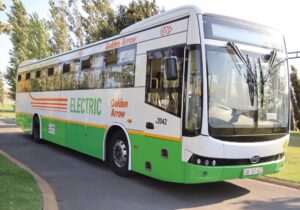

Golden Arrow Buses is leading South Africa’s shift to electric mobility, with 120 EVs already operating in Cape Town and plans to expand its fleet.
Golden Arrow Buses, a passenger transport, has taken a bullish stance on electrification. They plan to replace all their Cape Town internal combustion engine (ICE) buses with electric ones.
Gideon Neethling, company engineer for Golden Arrow Buses, explains why the company took the leap and what they have learned from the ongoing transition. How many buses (ICE and EV) are in your fleet? How many EVs do you purchase a year? Will you replace your entire fleet? If so, by when? Golden Arrow Bus Services currently operates a total fleet of approximately 1 200 buses, of which 120 are electric vehicles (EVs). Prior to investing in electric buses, Golden Arrow has always recapitalised its fleet at a rate of 60 – 65 new buses per year. This ensures that our oldest buses are removed from operation on an ongoing basis and keeps our fleet age at ideal levels. After extensive testing, research and development, an agreement was signed with BYD to deliver 120 electric buses over the course of 2025. This purchase of two years’ worth of new buses has allowed us to undertake the first live testing of electric buses at scale in South Africa. With just under four million kilometres of data generated, we are now in a position to confirm that we will be purchasing electric buses rather than diesel buses going forward. While the long-term goal is to continue expanding the EV fleet, a full transition at the current recapitalisation rate would take approximately 18 years. In the interim, the company will continue to operate a hybrid ICE and EV fleet.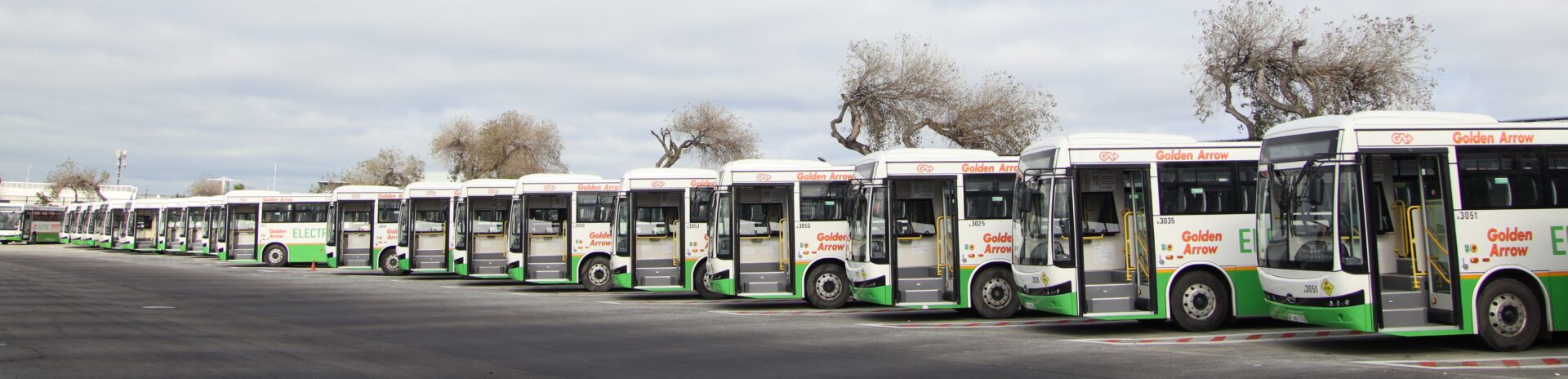 What model EV are you using, and what are the specifications?
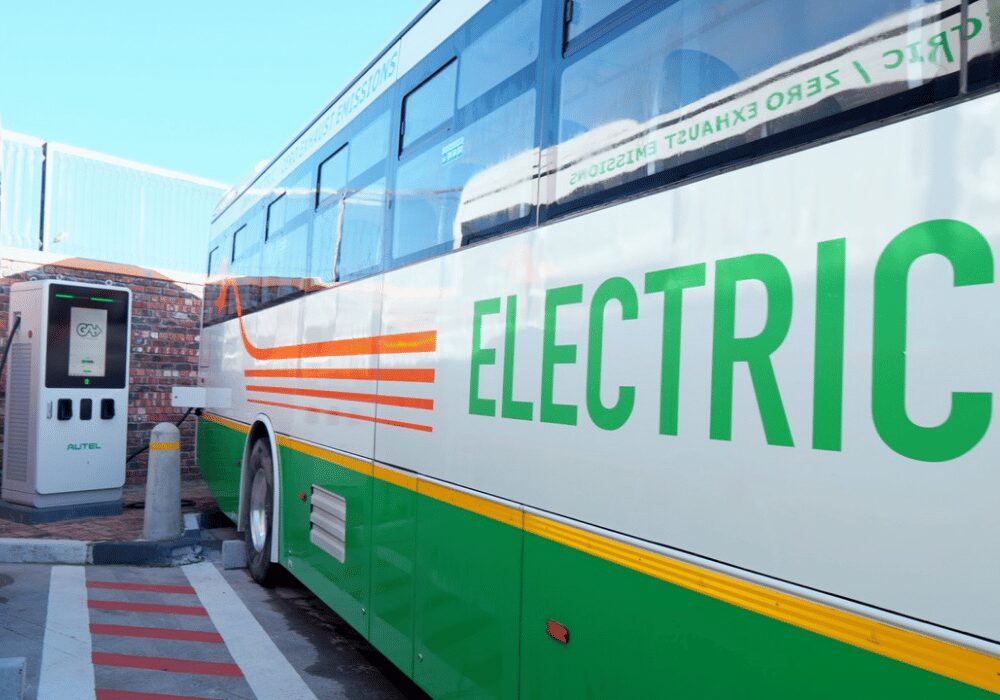
GABS currently operates the BYD B12 electric bus model with a seating configuration based on our existing fleet specifications to maximise seating.
Key specifications include:
What model EV are you using, and what are the specifications?
GABS currently operates the BYD B12 electric bus model with a seating configuration based on our existing fleet specifications to maximise seating.
Key specifications include:
- Battery capacity: 230 kWh
- Typical charging time: Approximately 2 hours, depending on the charging schedule and operational requirements
- Technology features: The buses are equipped with regenerative braking technology, which allows energy generated during braking to be fed back into the battery system, improving overall energy efficiency.

 What charging infrastructure do you use?
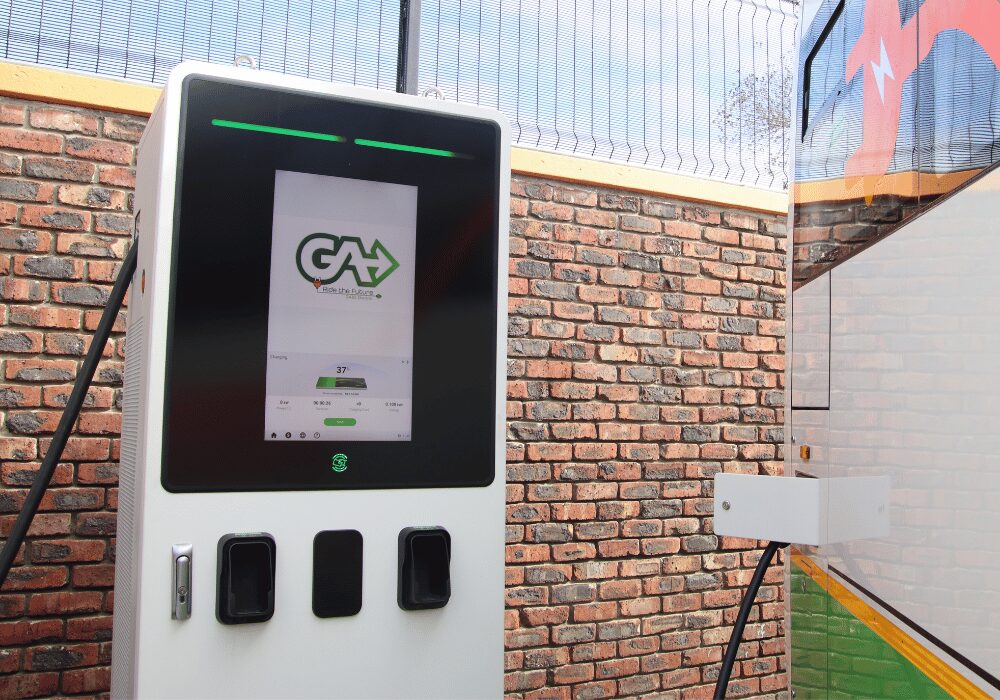
GABS has developed a dedicated charging infrastructure at its Arrowgate depot, which currently includes 60 DC charging stations.
The depot layout and charger configuration allow up to 120 buses to be charged simultaneously, ensuring sufficient capacity to support daily fleet operations and charging schedules.
Lessons learned or surprising facts about this transition?
One of the key lessons from the project has been that purchasing the buses is only one component of a successful EV transition. The real complexity lies in coordinating the supporting systems around the fleet.
This includes electricity infrastructure planning, charging schedules, operational planning and workshop integration. The project has required close collaboration between engineering, operations, infrastructure and maintenance teams, ultimately fostering a far more integrated way of working across the organisation.
We believe that this project is a real homegrown success story as the initial public reaction to the introduction of the electric fleet was, by and large, negative with many forecasting that we were doomed to fail. With 120 buses successfully operating every day, a highly skilled workforce and plans to expand the fleet, Golden Arrow has proved that South African companies can innovate successfully. We are very proud to be at the frontier of electrifying road-based public transport and believe that we are paving the way for other operators to follow in our footsteps.
What charging infrastructure do you use?
GABS has developed a dedicated charging infrastructure at its Arrowgate depot, which currently includes 60 DC charging stations.
The depot layout and charger configuration allow up to 120 buses to be charged simultaneously, ensuring sufficient capacity to support daily fleet operations and charging schedules.
Lessons learned or surprising facts about this transition?
One of the key lessons from the project has been that purchasing the buses is only one component of a successful EV transition. The real complexity lies in coordinating the supporting systems around the fleet.
This includes electricity infrastructure planning, charging schedules, operational planning and workshop integration. The project has required close collaboration between engineering, operations, infrastructure and maintenance teams, ultimately fostering a far more integrated way of working across the organisation.
We believe that this project is a real homegrown success story as the initial public reaction to the introduction of the electric fleet was, by and large, negative with many forecasting that we were doomed to fail. With 120 buses successfully operating every day, a highly skilled workforce and plans to expand the fleet, Golden Arrow has proved that South African companies can innovate successfully. We are very proud to be at the frontier of electrifying road-based public transport and believe that we are paving the way for other operators to follow in our footsteps.