
Communities are urging NERSA to reject Eskom’s proposed 8.83% tariff hike and increase Free Basic Electricity to address energy poverty.
On the 8th October, communities will urge the National Energy Regulator of South Africa (NERSA) to reject Eskom’s proposed electricity tariff increases when they make oral presentations at public hearings on the utility’s Sixth Multi-Year Price Determination (MYPD6). Earthlife Africa Johannesburg and community-based partner organisations from Gauteng, the Eastern Cape and Limpopo warn that the proposed increases of 8.83% for residential customers and 8.84% for municipalities in the 2027/28 financial year would deepen energy poverty and intensify pressure on households already struggling with the costs of food, transport, housing and other essentials. They are calling on the regulator to put affordability, energy access and energy justice at the centre of its decision.
Earthlife Africa’s Thabo Sibeko says,“At the heart of communities’ concerns is a simple question – if Eskom made a profit last year, why should households have to pay more for electricity? How much profit is enough when families are already being forced to choose between electricity and food? These are not luxuries but bare necessities, and NERSA has a responsibility to protect people from a pricing system that pushes households further into poverty.”
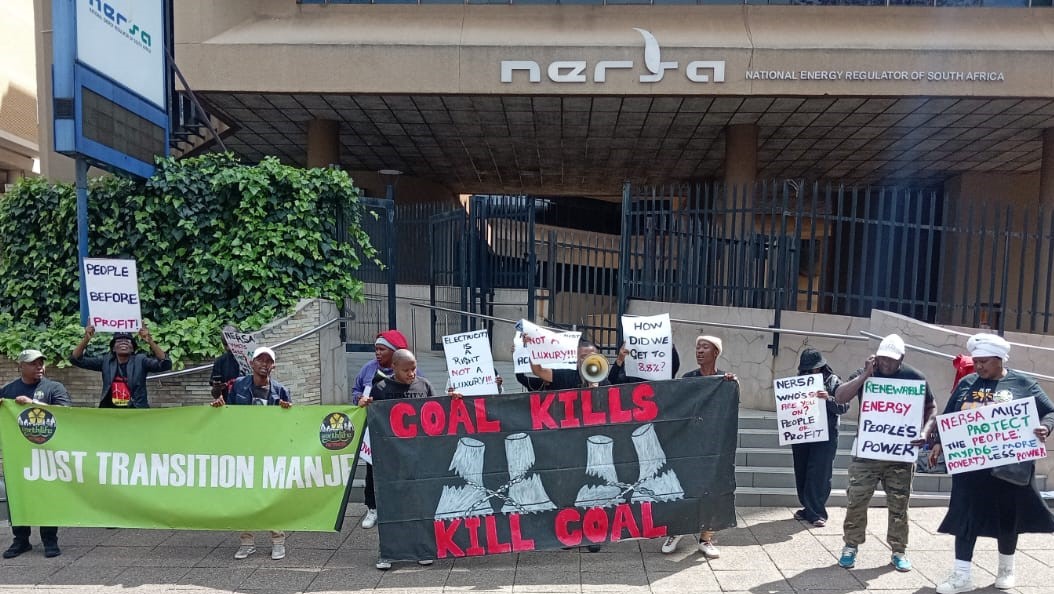
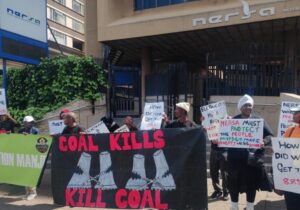
On 2 October, members of the Women in Energy and Climate Change Forum, Grassroots for Climate Action and the Climate Justice Action Group joined Earthlife Africa Johannesburg in a placard demonstration outside NERSA’s head office in Pretoria. They handed over written comments and demands on Eskom’s pricing applications, including electricity tariffs and Free Basic Electricity. The organisations say the impact extends beyond the proposed tariff increases: high electricity prices are already undermining household livelihoods, small businesses, education and access to essential services. Women running businesses such as chicken farms and sewing enterprises say rising costs threaten already fragile incomes, while families rely on electricity for studying, internet access, refrigeration and essential health needs. “Women in our communities carry the consequences of unaffordable electricity into every part of daily life,” said a representative of the Women in Energy and Climate Change Forum. “Families are choosing between food and electricity, women-run businesses are struggling to survive, and children are affected when households cannot afford the electricity and connectivity they need for their education. We reject MYPD6 and want NERSA to support socially owned renewable energy that can return power and economic opportunity to communities.” Communities say the 50 kilowatt-hour Free Basic Electricity allocation is inadequate and difficult for eligible households to access. They want it increased and better targeted to households experiencing energy poverty. Zodwa Rannyadi of Soweto Cultural Senior Citizens says, “Eskom’s tariff hike will deepen the burden on poor and working-class communities. NERSA must protect those who cannot afford electricity and expand access to affordable, reliable and clean power. For unemployed people, 50 kilowatt-hours is too little – the minimum should be 350 kilowatt-hours per household.” Earthcare Action Network (EAN) says NERSA must assess Eskom’s application against the reality of energy poverty, not only the utility’s revenue needs. “Consumers should not finance unjustified or inefficient costs,” said an EAN representative.

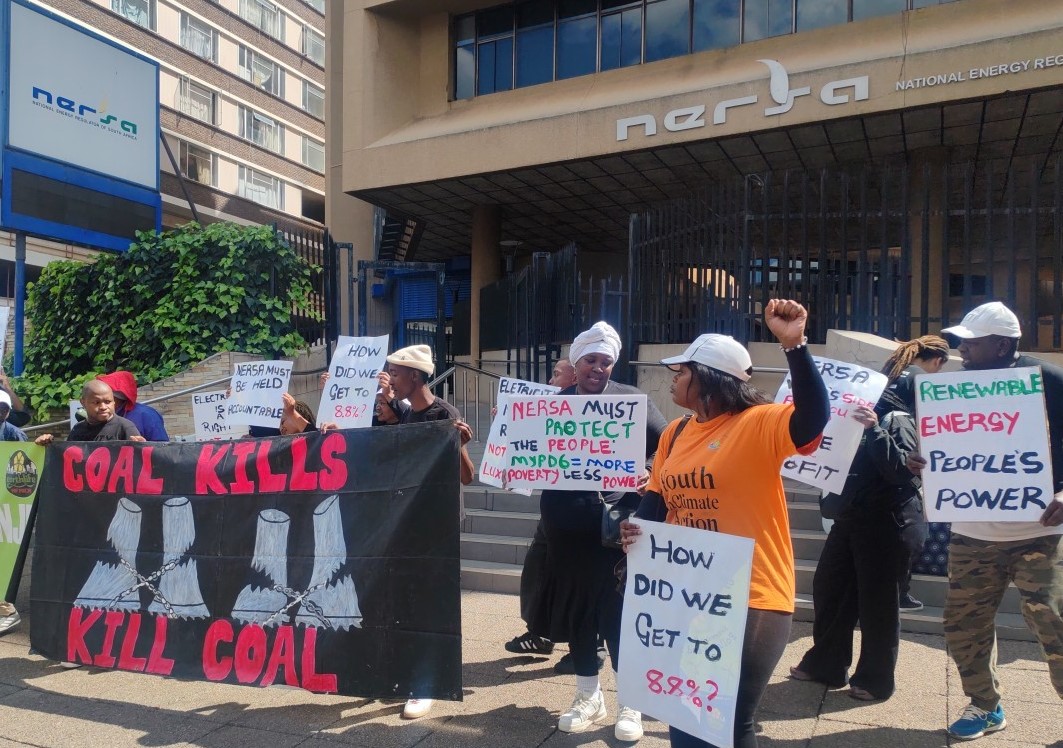
Community representatives hand over written comments on Eskom’s MYPD6 pricing application to NERSA ahead of the 8 October public hearings.