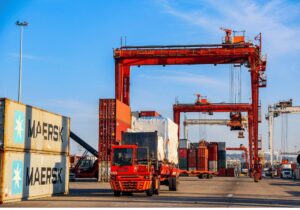

Transnet SOC Ltd. (“Transnet”), working closely with Durban Gateway Terminal (DGT) is implementing urgent measures to decongest the terminal at the Port of Durban, following recent challenges.
Transnet acknowledges the impact the current congestion has had on shipping lines, cargo owners, customers and the broader logistics value chain. The matter is being treated with the seriousness and urgency it requires, with interventions being coordinated and monitored at senior leadership level. The interventions, which are being pursued to increase available capacity, improve vessel evacuation, progressively reduce the backlogs and restore operational fluidity, include the following:
- The provision of additional berthing capacity: Transnet National Ports Authority (TNPA) has dedicated Berth 102 to accommodate geared vessels for direct discharge. This provides additional capacity by enabling geared vessels to be diverted to Berth 102. It also supports increased diversion of vessels to the Ngqura Container Terminal (NCT), where Durban-bound containers can be discharged and subsequently transferred by smaller geared vessels to Berth 102 and the Point Terminal. This berth is available immediately and the shipping lines are encouraged to take up this additional capacity.
- Diversion of vessels to NCT: Transnet Port Terminals and DGT are coordinating the identification of suitable vessels for diversion to NCT. The Berth 102 initiative will further strengthen and expand this intervention.
- Increased Pier 1 capacity: The return of ship-to-shore (STS) cranes from long-term refurbishment at TPT’s Pier 1 will increase terminal capacity and provide additional support in reducing the Durban vessel backlog. The final STS crane will be commissioned on Friday, 20 November 2026, and handed over to operations on Saturday, 21 November 2026, bringing all six cranes into operational availability.
- Potential transfer of equipment to DGT: TPT has reviewed equipment across the business that could potentially be transferred to DGT. The only terminals operating similar equipment are Cape Town Container Terminal and Cape Town Multi-Purpose Terminal. Unfortunately, neither terminal is currently able to release equipment, as both are in the peak deciduous fruit export season and require their available capacity. TPT will nevertheless continue to assess opportunities to optimise equipment deployment across its network as operational conditions evolve.
- Rail evacuations to support the decongestion on the landside: TFR has made trains available to enable evacuation of import containers destined for Gauteng. We encourage the industry to make use of these trains to further support the urgent evacuation and decongestion of the landside.
- Prioritisation of essential cargo: We are also prioritising all essential cargo (pharmaceuticals, auto parts, etc) before vessel berthing to ensure priority evacuation from the terminal.