

Anisoptera’s Dragonfly AI platform is helping South African waste facilities improve recycling efficiency, reduce landfill waste and increase revenue through smarter operations.

Sean Kelly, Co-founder & CTO of Anisoptera
“When an MRF loses recoverable material to landfill, it imposes a double cost: the loss of the material as well as disposal fees. When this process becomes more efficient, the recovered material is revenue but also a savings.”Waste management is a business where volume matters, and Kelly adds, “Dragonfly’s AI is primarily about efficiency, increasing the volume.” Dragonfly operates in South Africa and the United States, where Kelly says, “the differences are enormous.” The US is highly automated, and the use of technology like AI drives a reduction in labour, whereas in South Africa the waste sector is a high-employment space. A public concern with AI is that this automation technology will reduce available jobs in an already job-scarce economy, but returning to the Stellenbosch Pilot project, this increased efficiency led to secure long-term jobs and a wage increase between 10%-15%.
The agent impact
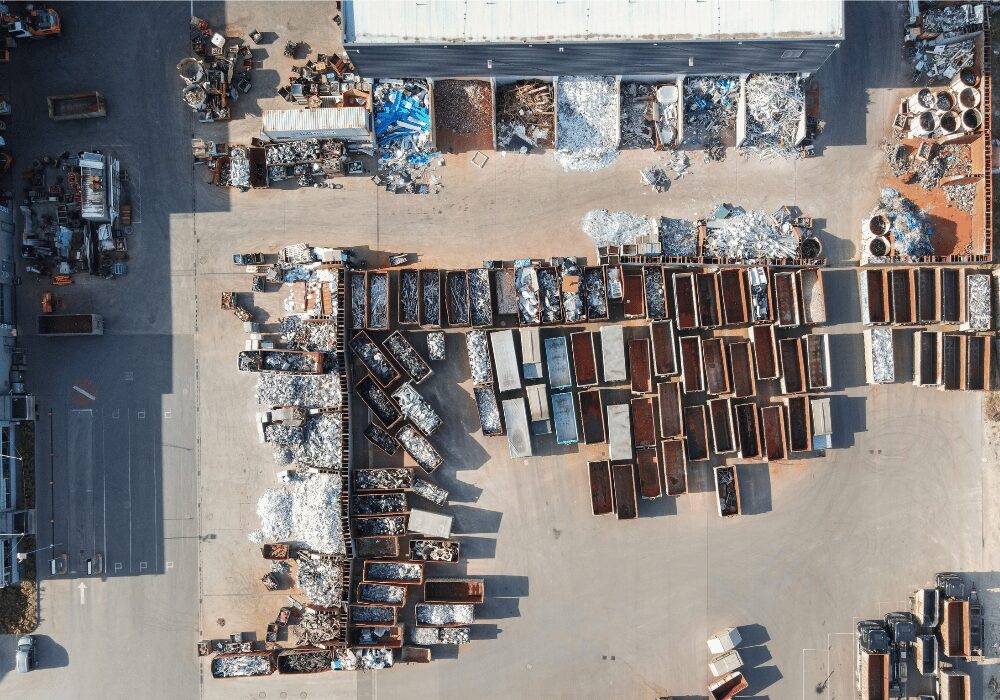
Waste management and resource recovery benefit from small changes in efficiency across operations
“In the US, where automation is viewed more positively, Mira can detect X, Y and see that Z happened as a result. It then says ‘my recommendation is to reduce the conveyor speed by 0.1 metres per second’. It asks permission, and then it does it.”This is a shift from AI collecting or displaying information towards using information to support an operational response. This becomes increasingly important as the volume of data available to waste operators grows. Dragonfly can classify more than 20 material classes in real time, depending on the facility and system configuration. Its basic setup consists of cameras connected to an on-site edge-computing unit.
Edge computing brings AI closer to the waste facility
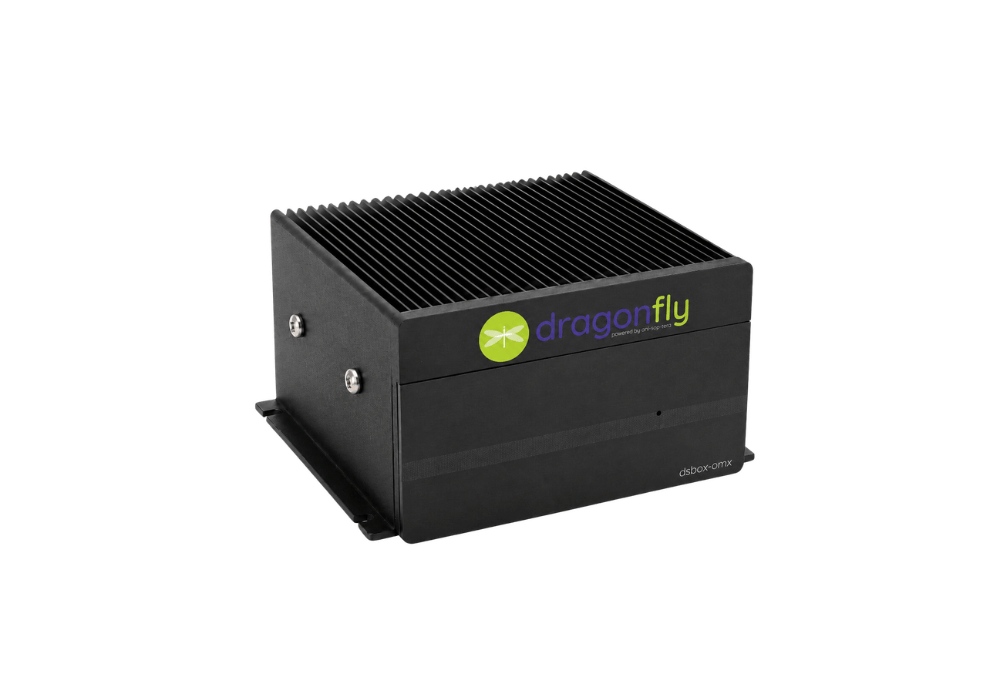
Dragonfly’s edge system brings computing to the site and not a public cloud far away

“All those cameras are feeding through to the box, literally feeding the imagery. An algorithm is running on it, and it’s sending the results of what it is detecting to the local cloud.”The architecture is particularly suited to industrial waste environments because it addresses one of the major limitations of cloud-based AI: latency. In a conventional cloud model, images captured at a facility must travel over a network to a remote data centre, be processed and then return as information that can be acted upon. With edge computing, that processing happens at the facility itself. “If I went to MRF, and I wanted to analyse what is coming into the conveyor belt. I could rely on a public cloud where the image travels 700 or 800 kilometres to a data centre, or I could use the edge-based AI which is 10 metres away,” Kelly explains. Those milliseconds add up, making for a far more responsive system. For waste operations, this difference can be significant. The objective is to identify changes as they happen and provide information quickly enough for operators or AI agents to respond.
This is particularly relevant for applications such as detecting a fire, identifying a dangerous object or spotting a sudden change in material quality. The shorter the distance between the physical process and the computing system, the less time is required to analyse the event and generate a response. Another advantage of edge computing is that it reduces the amount of data that needs to travel between the facility and the cloud. A conveyor-belt camera can generate a continuous stream of high-resolution imagery. Sending all of that footage to a remote data centre requires substantial bandwidth and a reliable internet connection. By processing the imagery locally, Dragonfly can instead transmit the relevant results. Rather than sending hours of video, for example, the system can send structured information such as “plastic bottle detected”* or “person detected”. This is particularly important for waste facilities operating outside major urban centres, where connectivity may be limited or unreliable. The trade-off is that edge computing requires computing hardware to be installed at the facility, increasing the initial capital requirement. However, this can reduce ongoing dependence on network connectivity and external computing resources.
“We follow the edge compute world because we want to live in the hardcore industrial world: low latency, low connectivity; that’s where we want to live,” Kelly says.In this model, the architecture becomes a direct link between the physical waste stream and operational decision-making: cameras capture what is happening, edge hardware processes the information, AI interprets it, and the resulting recommendation can be used to guide an intervention. For waste facilities, this combination of low latency, reduced bandwidth requirements and greater resilience to poor connectivity makes edge computing particularly relevant to the industrial deployment of AI. It provides the computational layer needed to move computer vision from a reporting tool towards a system capable of supporting real-time decisions on the sorting floor.
Paying for itself
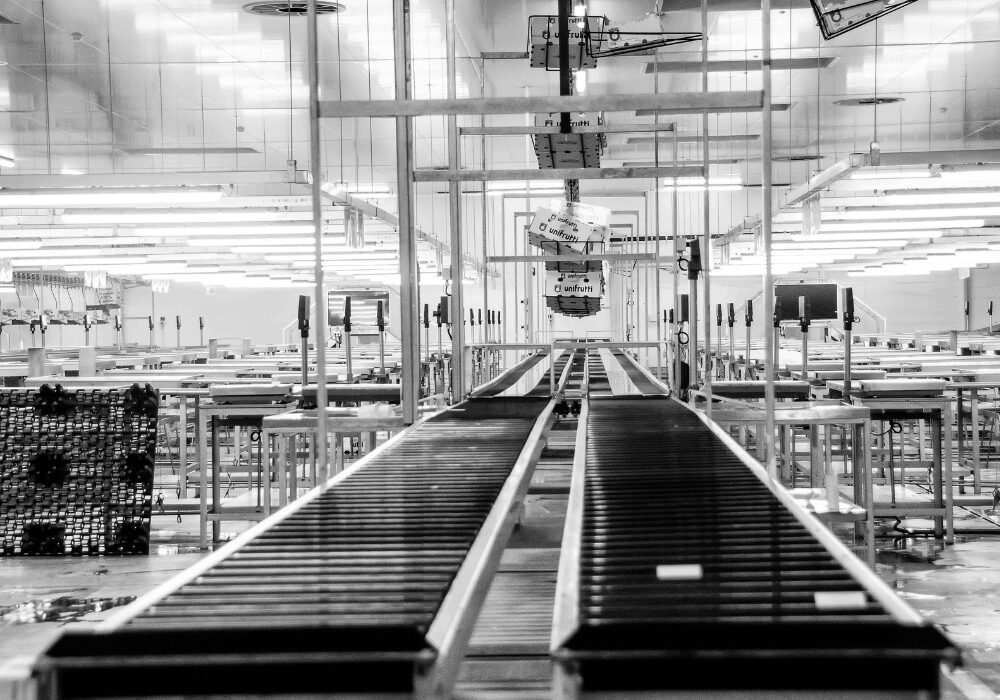
AI has come a long way from a simple camera on a belt, and while that remains the operational core, it has grown to be a real value add to material recovery facilities
“A 1% change in SA is, for argument’s sake, R10000,” Kelly says. “A 1% change in an enormous MRF in the USA is a million dollars.”This makes the ability to identify relatively small performance changes potentially significant for large-scale operators. Rather than treating recovery rate as a single headline figure, AI can help identify where losses are occurring and what operational changes might improve performance. In terms of return on investment, Kelly says, “Most deployments show measurable ROI within 6 months, with many customers seeing initial results in the first quarter after deployment.”