WaterCAN is using citizen science to help South African communities test water quality, identify contamination and hold municipalities accountable for safe water services.
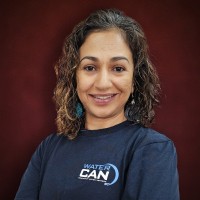
Dr Ferrial Adam, CEO of WaterCAN
South Africa’s constitution guarantees water as a human right. A bold and admirable declaration, but one that exists as an ideal, rather than a reality. Across the country, access to drinking water is limited in quantity and quality, falling short of the constitutional right.
Part of a functional democracy is the ability to hold those in power to account for their failings, missteps, and promises.
WaterCAN is an organisation that empowers communities through citizen science, tools, and training to monitor water, drive accountability, catalyse public action, and foster collaboration, and Dr. Ferrial Adam, executive director of WaterCAN, believes that citizen science exercises this democratic obligation.
Dr Adam says, “Democracy is not just the ability to vote. Being an active citizen means understanding how government affects you and advocating for yourself and others for change.”
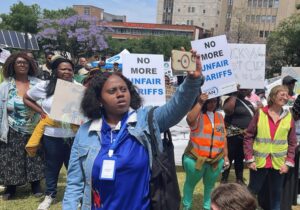
Part of WaterCAN’s mission is to give interested members of the public the tools to test and understand their water, make informed decisions and escalate issues to government. In the five years of active testing, WaterCAN has made the case that citizen science should play a larger role in the water sector, especially since it is these very citizens that water issues affect.
How does citizen science work?
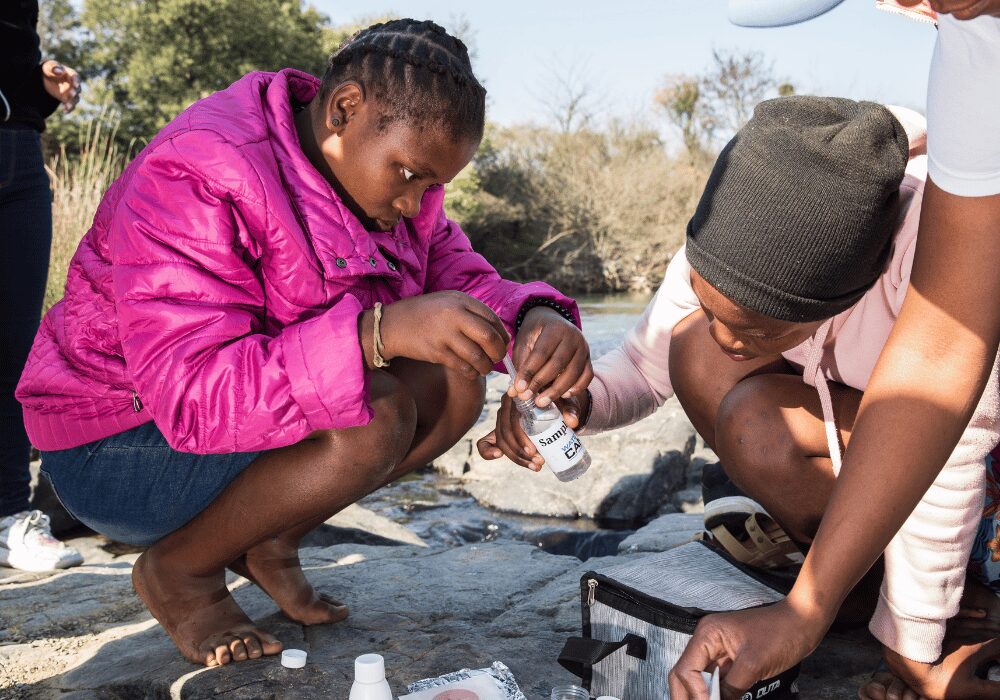
Testing water is the cornerstone methodology of WaterCAN, teaching citizens to understand the water they rely on
Testing water and responding to concerns is a large task, and municipalities focus their testing on larger infrastructure such as reservoirs and towers, but this leaves the rest of South Africa’s water infrastructure largely untested.
“The power of having active citizens is that they can test in extremely localised conditions. They can identify a single tap, pipe, or part of a river that is contaminated, outside of the larger infrastructure,” says Dr Adam.
WaterCAN’s model engages with people who show interest, and fosters interest in communities where water testing is needed, such as rural or lower-income areas.
“We do not prioritise any area or group over another. We work where there is interest, and we adapt our work to the context,” adds Dr Adam. There is a lot of interest in lower-income or rural areas, simply due to them being concerned about their water in ways that middle income are not.
WaterCAN works with people who sometimes don’t have basic education, where science can be intimidating, but as Dr Adam explains, “Part of getting active citizens is meeting them where they are at. In our training, we simplify the process by explaining that everyone can be a scientist. We demonstrate the method, and we show them that they already possess these skills.”
This is itself an empowering exercise, and as these citizens become active in their own water testing and reporting, they feel a sense of power in their ability to promote change.
She elaborates, “The training process involves taking a group of concerned citizens and going through the testing kit, map, and reporting procedure. Some people, especially in rural contexts, are scared of doing something wrong, but we explain that if they can send a WhatsApp or watch a TikTok, then they have the skills to report and upload.”
The data that is collected in public, but the information of the users is private. This builds a sense of trust between the scientists and the platform where they contribute to a larger goal.
The efficacy of citizen science
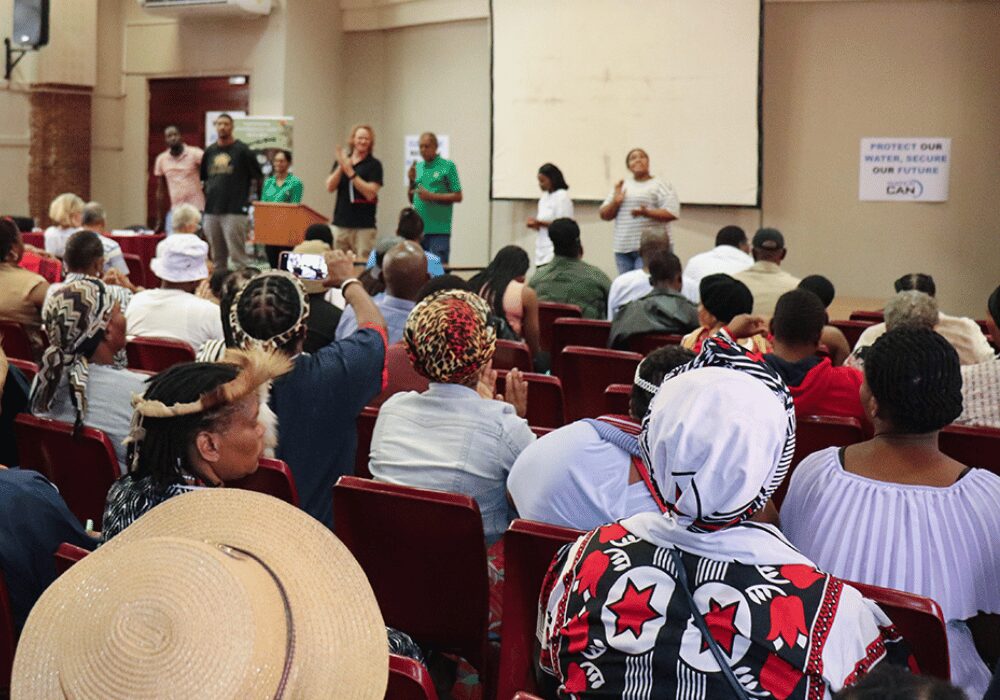
WaterCAN with a community in KwaZulu Natal
While citizen science has the potential to create active participants in South Africa’s democracy, there is also a technical case for their work.
As mentioned earlier in the article, “The ability to test locally and generate local data outside of major infrastructure is invaluable,” says Dr Adam. Providing this data and having the tests repeated on a recurring basis allows for deeper insights into patterns and problems that become valuable to municipalities as well as provincial and national government. She adds,
“Municipalities are struggling; this is’nt a secret, and our model aims to include municipalities so that issues are flagged with them, and they can then go about fixing the issue. This is working alongside them, not against them.”
In February 2026, residents of Marakong Village in the Free State alerted activists and citizen scientists, who then worked closely with WaterCAN to collect samples of water from several households. They detected bloodworms in the tap water and immediately alerted authorities. Maluti a Phofung Water, the water entity catering to Marakong, then confirmed the test results, shut down the pipeline and flushed the system, opening the valves only when a lab test could support the decision.
WaterCAN as an organisation is also able to escalate matters if municipalities ignore their alerts. Dr Adam elaborates, “While our intention is to get the municipalities to respond to potential contaminants, they are sometimes unwilling. It is their legislated duty to provide clean drinking water, and if they ignore us, we escalate to the Department of Water and Sanitation. Our citizen scientists provide us with good data, which allows us to amplify their voices.” In the event of complete failure to acknowledge the alerts, WaterCAN, by virtue of being backed up by scientific data, can open criminal charges against municipal officials for not delivering on their mandate.
Another key role that citizen science plays is bringing awareness to water issues in South Africa, which is why WaterCAN often works with schools to promote science and water knowledge.
“Creating a lasting impression on young people at a school level is vital if we want the future generations to be more active and more informed than we are,” says Dr Adam.
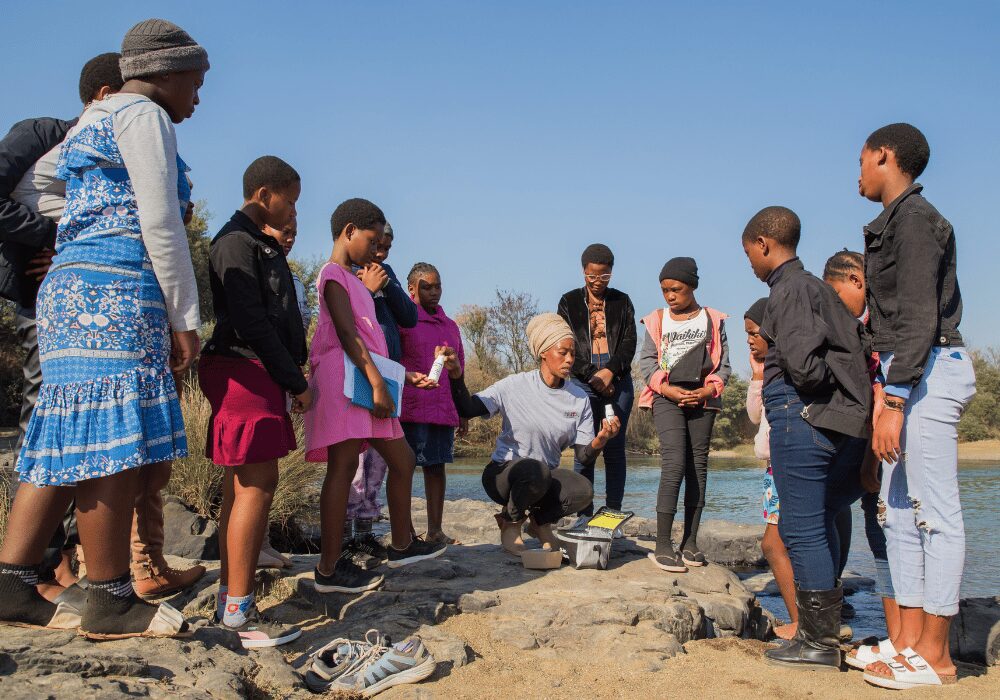
WaterCAN guides citizens through their process, making citizen science accessible