 The number of South Africans receiving basic services from municipalities across the country increased between 2015 and 2016.
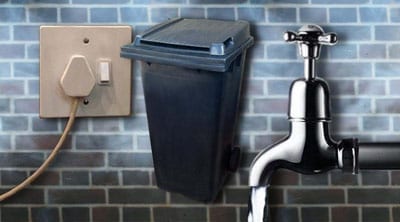
According to the results which were published by Statistics South Africa (Stats SA), the highest percentage increase was 2.9% for the provision of sewerage and sanitation services. This was followed by a 2.5% increase in electricity access, a 2.4% increase in solid waste management, and a 2.3% increase in access to clean and safe water.
Statistician Pali Lehohla said the highest provincial increase for the provision of water was recorded in Mpumalanga with 7% and the North West with 4.6%, while the lowest increase was recorded in Limpopo with 0.6%.
She said the highest increase for the provision of electricity was also recorded in Mpumalanga with 4.6% and KwaZulu-Natal with 4.1%, while Western Cape recorded the lowest increase of 0.8%.
The highest provincial increase for the provision of sewerage and sanitation was recorded in the Eastern Cape with 7.2% and Limpopo with 6.5%, and the lowest increase was recorded in North West with 1.2%.
For solid waste management (refuse removal), the highest provincial increase was recorded in the Eastern Cape with 11.8%, Mpumalanga recorded the second highest increase at 4.9%, while Gauteng recorded the lowest increase at 0.3%.
Indigent households
In 2016 municipalities identified 3.6 million indigent households across South Africa. Of this, 2.7 million (75.2%) benefited from the indigent support system for water, while 2 million (56.2%) benefited from free basic electricity provided by municipalities.
Stats SA also revealed that 2 million (56.5%) indigent households benefited from the indigent support system for sewerage and sanitation, while 2.5 million (68.6%) households benefited from the indigent support for solid waste removal.
Employment
Stats SA’s report indicated that municipalities employed 269,021 people in 2016, up from 268,840 the previous year. These numbers were inclusive of councillors and mayors but exclusive of vacancies.
Lehohla said there were about 21,969 people occupying posts at management level, including mayoral and councillor positions, in all South African municipalities, but this excluded vacancies. He said most of the posts, making up approximately 14,063, were filled by men while women occupied the remaining 7,937 posts.
He also said there was an increase in the number of funded vacant posts from 41,383 in 2015 to 45,096 in 2016, including mayoral and councillor positions.
“The highest number of unfilled posts in the technical areas was recorded in the environmental protection services with 26.1%, followed by road transport departments with about 22.3% and waste water management with about 19.9%,” Lehohla said. He added that health and waste management departments both reflected the lowest number of vacancies with 10.9%.