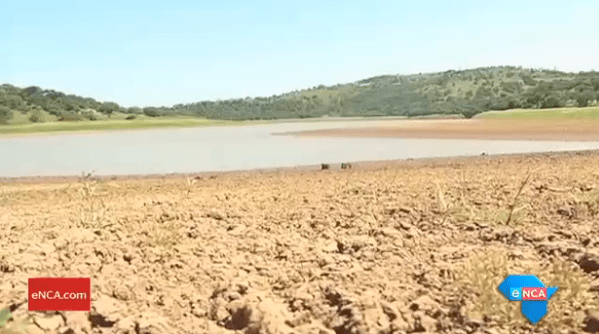
 Residents across multiple provinces have again been urged to conserve water as dam levels across the country drop.
Western Cape
Mid-August brings with it heavy rains in the Cape Town area, while the characteristically low winter rainfalls remain the norm for most of the country .The Western Cape is currently experiencing much-needed rain but residents have been warned to continue to use water sparingly . The Theewaterskloof Dam has seen an increase to 23.9% from 22.4%.Leeugamka is at 15.2% down from 15.4% but still up from last year’s 14.5%. Voelvlei has increased slightly to 22.9% from 22.4%. Despite the positive increase in dam levels, the DWS has warned that the region is not yet out of the woods.Eastern Cape
Meanwhile recent rain in the Eastern Cape has not had a significant influence on dam levels and the DWS is still encouraging residents to adhere to the water restrictions implemented by municipalities to avoid running out of water in the province. Dam levels have dropped to 56.1%. The Nelson Mandela Bay Metro has introduced stringent water restrictions to reduce water usage. Kouga is at 15.8%, a slight increase from 14.8 last week, but dams that supply Butterworth are critically low. Gcuwa is at 26.6%, a decrease of 9.1% from 35.7 last week .Xilinxa is at 0.2% from 0.3% last week. Toleni is at 13.9% from 19.7% last week .The Amathole District Municipality has implemented various alternative measures to alleviate water shortages since Butterworth was declared a disaster area in January this year. However, rains and even snow has been predicted for this week and it is hoped that it will deliver the much needed relief.Gauteng
Gauteng dam levels continued their decline this week, reaching levels that show a decrease on the Integrated Vaal River System (IVRS) to 79.3% from 79.7% last week. The Vaal Dam is at 91.5%, a slight decrease from 92.4 the week before, stabilised by water flowing from Katse and Polihali dams in Lesotho.