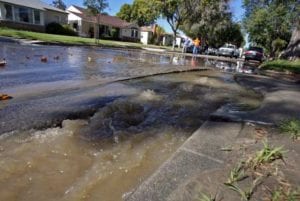
Johannesburg Water is ramping up its preventative maintenance programme to help combat sewer blockages in the City.
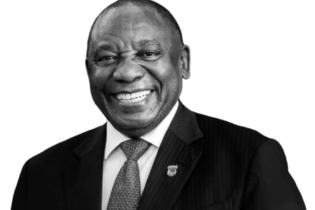
Councillor Nico de Jager, MMC for Environment and Infrastructure Services, notes that the utility’s preventative maintenance programme has helped to clear over a million sewer blockages across the city in the last financial year (2017/18). He says the City’s recent procurement of three of the current fleet of nine hydro jetting vehicles used to clean the sewer network has led to more blockages being cleared in the past year. “The sizes of the jetting vehicles vary from the smallest with a jetting tank of 4 000 litres to the largest with a jetting tank of 12 000 litres. The jetting vehicles operate using a high-pressure water pump, able to generate up to 120 bars of water pressure at a flow rate of 300l/minute. Depending on the nature of the blockage or the general condition of the network, different jetting nozzles are used,” he explains.Information from the jetting truck
The jetting nozzle is designed to propel the nozzle into the sewer pipe using rear facing water jets and have water jets in front as well to clear any blockages. De Jager says that in areas where tree roots have grown into the sewer, root cutting nozzles are used which are rotated by the force of the water and then mechanically cut the tree roots from the inside of the sewer.
“The actual cause of the blockage is either then removed from the sewer by vacuum, or manually removed with a catch that is placed in the downstream manhole,” he explains.
Annually, the blockage record is analysed to determine areas/suburbs with a high blockage rate and based on that information the jetting truck will be deployed to those areas.