Municipalities face financial constraints and a shortage of specialised expertise in managing water supply and quality. In contrast, the private sector has both the necessary expertise and funding. To bridge this gap, the Water Partnership Office (WPO) was formed to facilitate public-private collaboration within municipal water services.
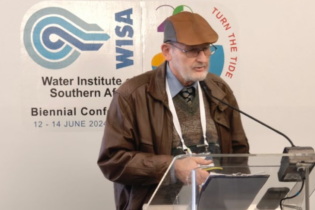
The WPO is one of the outputs from the National Water Partnerships Programme (NWPP), the brainchild of the Department of the Water and Sanitation (DWS), the Development Bank of Southern Africa (DBSA) and the South African Local Government Association (SALGA). It is a ring-fenced entity housed in DBSA (using DBSA corporate infrastructure), owned by DWS. “Our main focus is to create opportunities for the private sector to support municipalities – specifically looking at water services. We do this through developing standardised programmes and assisting with project preparation,” explains Johann Lübbe, head: Water Partnerships Office, DBSA.Project preparation
 He adds that the WPO supports municipalities in developing and structuring bankable water projects that attract private sector participation. “The biggest challenge municipalities face is preparing and developing projects that are bankable. Ironically, developing a project to a fundable stage requires money, but municipalities often lack both the necessary expertise and financial resources to prepare and structure bankable projects. They tend to focus primarily on the technical aspects of projects while overlooking the financial side, which leads to unaddressed risks that deter private sector investment.”
The WPO supports municipalities with project preparation work, creating blended finance and public private partnership (PPP) solutions.
He adds that the WPO supports municipalities in developing and structuring bankable water projects that attract private sector participation. “The biggest challenge municipalities face is preparing and developing projects that are bankable. Ironically, developing a project to a fundable stage requires money, but municipalities often lack both the necessary expertise and financial resources to prepare and structure bankable projects. They tend to focus primarily on the technical aspects of projects while overlooking the financial side, which leads to unaddressed risks that deter private sector investment.”
The WPO supports municipalities with project preparation work, creating blended finance and public private partnership (PPP) solutions.
“Government alone cannot fund all necessary projects, so it is essential to explore alternative options. Instead of solely financing projects, the government should focus on filling funding gaps while maximising investment from the private sector and development finance institutions (DFIs),” explains Lübbe.It is important to note that the WPO is not a bank. While it has access to project preparation funding, its role is to prepare projects and make them bankable. Once a project is ready to go to market, funding can be solicited from various private and institutional investors, as well as DFIs, including the DBSA.
Programmatic approach
The WPO’s second focus is standardisation.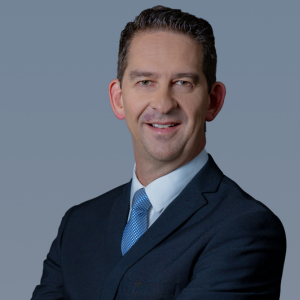
Johann Lübbe, head: Water Partnerships Office, DBSA

“It will also benefit the private sector, particularly consultants. If they know exactly what the terms of reference will look like for a water reuse project for example, it will simplify the process and allow the private sector to reduce their cost of tendering. It will also allow project developers and lenders to become more familiar with contract documents, risks, etc. and over time result in more competitive pricing on projects,” adds Lübbe.
The six standardised programmes are:- Water reuse
- Non-revenue water
- Wastewater treatment
- Non-sewered sanitation
- Seawater desalination
- Management contracts.
Water reuse
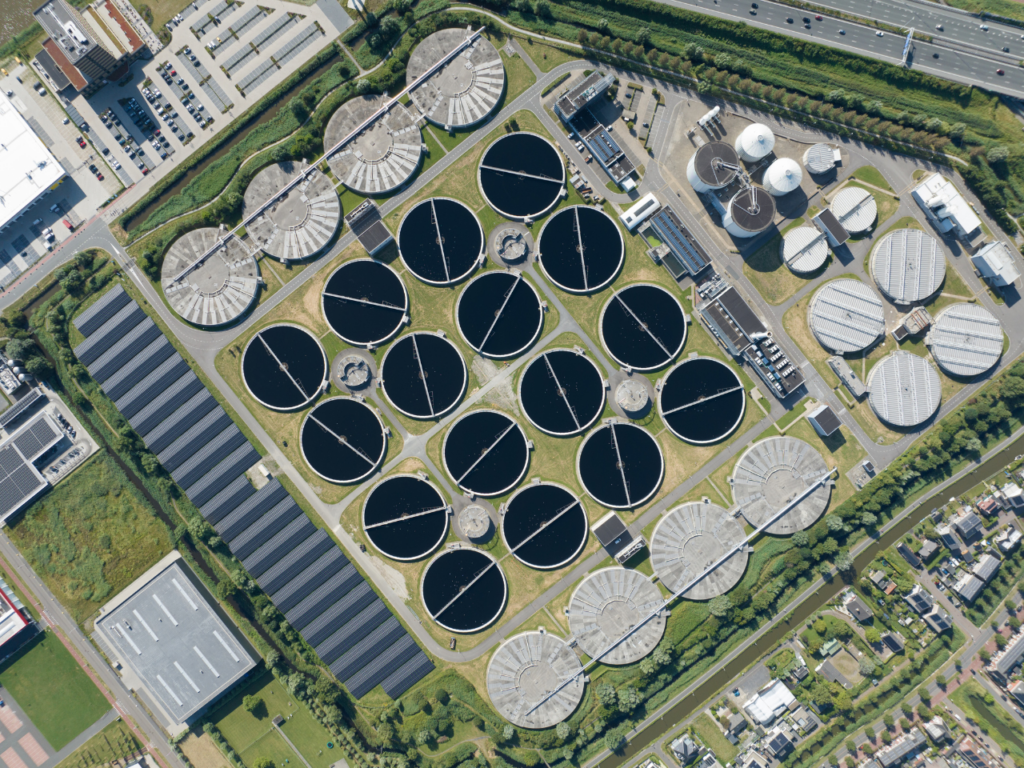
 “Our water reuse programme is one of our priority programmes and seeks to recover and repurpose valuable water resources that are currently lost in rivers and oceans. In addition to recovering water from wastewater, the opportunity exists to extract maximum value from a “waste” resource by generating energy and processing sludge for beneficial use, thereby creating new revenue streams to help finance these projects. We focus on resource recovery and assist municipalities in maximising and scaling reuse opportunities in the country. Wastewater can be treated to potable standards or used at a certain quality for industrial and agricultural purposes,” says Lübbe.
The current National Water and Sanitation Master Plan (NW&SMP) aims to fast track the implementation of priority actions such as water reuse, in order to address the current water crisis, as well as future water challenges that may impact sustainable development in the country.
“Our water reuse programme is one of our priority programmes and seeks to recover and repurpose valuable water resources that are currently lost in rivers and oceans. In addition to recovering water from wastewater, the opportunity exists to extract maximum value from a “waste” resource by generating energy and processing sludge for beneficial use, thereby creating new revenue streams to help finance these projects. We focus on resource recovery and assist municipalities in maximising and scaling reuse opportunities in the country. Wastewater can be treated to potable standards or used at a certain quality for industrial and agricultural purposes,” says Lübbe.
The current National Water and Sanitation Master Plan (NW&SMP) aims to fast track the implementation of priority actions such as water reuse, in order to address the current water crisis, as well as future water challenges that may impact sustainable development in the country.
“Water reuse offers a way to diversify our water supply mix. Additionally, from a climate change perspective, establishing a circular water management system that optimises reuse enhances resilience,” maintains Lübbe.