
Geoff Tooley, IMESA president
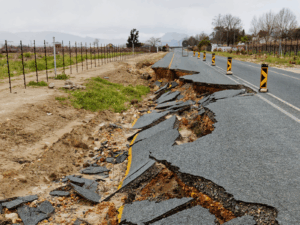
“Municipal infrastructure projects across the country are plagued by delays, cost overruns and quality issues. In nearly every case, these problems can be traced back to poor contractor selection and a lack of proper technical due diligence – the very areas where engineers are trained to advise.”One example that has once again been in the spotlight is Modderfontein bridge in Gauteng, which has been in disrepair since 2021, causing massive traffic congestion. A contractor was reportedly paid in full by the Johannesburg Roads Agency but only 50% of the work was completed. A new contractor has now been appointed. Transport Month was first launched in October 2005 to raise awareness of the important role of transport in the economy. Transport infrastructure is more than just roads and bridges, IMESA stresses. “It is the backbone of local economies, enabling the movement of goods, people and services. Infrastructure supports daily life, promotes economic activity and connects communities. But to ensure that it is safe, dependable and lasting, engineers must be involved from the outset and through all phases, including planning and procurement.”

The current situation, where they are being sidelined, puts professional engineers in an impossible position, Tooley says. “Under the Engineering Profession Act (46 of 2000), engineers registered with the Engineering Council of South Africa (ECSA) are legally required to uphold standards that protect the public. This includes rejecting work that is unsafe, improperly scoped or risks infrastructure failure. When engineers are not part of procurement decisions – or worse, when their expert input is ignored – it creates an ethical and legal conflict.
“Municipal engineers’ standard role includes a detailed evaluation of whether the proposed budget matches real-world construction costs and whether the bidder has a track record for the kind of work being tendered,” he explains.“These assessments are submitted as part of the engineer’s report to the bid evaluation committee. But currently, engineers’ recommendations are often ignored, especially when we advise that a tender be declined. That’s not just bad practice, it’s reckless and it wastes public money. This pattern must end.”This Transport Month, IMESA is urging all municipalities and national departments to ensure that registered engineers are included in all tender evaluation and bid adjudication committees. The institute also calls for technical recommendations by engineers to not only be heard but followed. “The law already gives engineers a mandate. It’s time municipal procurement processes recognised it in practice. “When engineers are involved early, infrastructure projects are more likely to be delivered on time, on budget and with long-term sustainability. That translates into better service delivery, safer communities and greater economic resilience. The current approach is not working. If South Africa is serious about delivering infrastructure that lasts, engineers need to be at the decision-making table from day one. Anything less is a risk we simply cannot afford,” Tooley concludes. For more information:
- Tel: +31 266 3263
- Email: info@imesa.org.za