
Aiden Bowers, project manager for the Cape Region at the Waste Management Bureau, Department of Forestry, Fisheries, and Environment

Masopha Moshoeshoe, acting Chief Executive Officer of the Waste Management Bureau, Department of Forestry, Fisheries, and Environment
A sector under strain
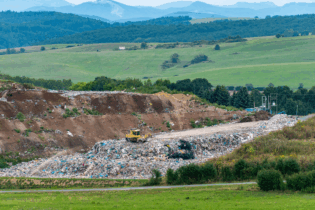
Despite progressive legislation, including the National Environmental Management: Waste Act (59 of 2008) and the National Waste Management Strategy (NWMS) 2020, the majority of South Africa’s waste still ends up in landfill. Estimates suggest over 90% of municipal solid waste is disposed of rather than recovered, and many licensed landfill sites are nearing capacity. The underlying causes are complex but consistent across regions: limited enforcement capacity, fragmented governance, financial unsustainability, and limited capacity within municipalities. According to the WMB’s national diagnostics, the solid waste sector operates with significant variability in performance and co-ordination, which affects the delivery of a consistent service. Municipalities, tasked with the day-to-day responsibility for collection and disposal, struggle to sustain operations amid rising costs and falling revenues. Operating Cost Coverage Ratios in many metros fall below 1.0, meaning waste departments routinely spend more than they collect in tariffs. These shortfalls are often offset through cross-subsidies from the general rates account, a practice that masks inefficiencies and distorts accountability.“Municipal waste management is treated as a social good rather than a financial service,” Bowers and Moshoeshoe note that without transparent cost recovery, performance metrics, and investment planning, the sector cannot meet growing urban demand.
The diagnostic phase: Clarity through data
 Over the past five years, a series of collaborative studies, notably the “Waste Not, Want Not” report commissioned by the National Treasury, and complementary assessments by the C40 Cities Network, have exposed the full extent of the problem.
At the core of these diagnostics is a recognition that data quality and institutional coordination are as critical as infrastructure. Many municipalities lack credible waste flow data, asset registers, or lifecycle cost models. Without this information, planning for landfill succession, diversion programmes, or circular economy investments becomes guesswork.
The WMB’s position is clear: reform must be anchored in evidence-based management. This means consistent national data standards, annual performance benchmarking, and targeted support for local government to collect and use accurate information.
The national diagnostic work has already begun to inform reforms under the National Treasury’s Metro Trading Services (MTS) programme, which is designed to help major cities treat waste management as a business, improving cost recovery, transparency, and operational discipline.
Over the past five years, a series of collaborative studies, notably the “Waste Not, Want Not” report commissioned by the National Treasury, and complementary assessments by the C40 Cities Network, have exposed the full extent of the problem.
At the core of these diagnostics is a recognition that data quality and institutional coordination are as critical as infrastructure. Many municipalities lack credible waste flow data, asset registers, or lifecycle cost models. Without this information, planning for landfill succession, diversion programmes, or circular economy investments becomes guesswork.
The WMB’s position is clear: reform must be anchored in evidence-based management. This means consistent national data standards, annual performance benchmarking, and targeted support for local government to collect and use accurate information.
The national diagnostic work has already begun to inform reforms under the National Treasury’s Metro Trading Services (MTS) programme, which is designed to help major cities treat waste management as a business, improving cost recovery, transparency, and operational discipline.
From strategy to implementation
While the legislative architecture exists, implementation has lagged. The NWMS 2020 outlines an ambitious shift toward waste minimisation, recycling, and the circular economy, but local delivery mechanisms have been slow to adapt. The WMB identifies three primary intervention pillars to bridge this gap:- Financial and business reform – Reposition waste management as a financially sustainable trading service. Municipalities must develop cost-reflective tariffs, modern accounting systems, and asset management plans that reflect the full cost of service delivery.
- Institutional realignment – Establish clear governance frameworks between national departments, provincial regulators, and local operators. This includes clarifying the roles of the DFFE, WMB, SALGA, and National Treasury in supporting reform through both oversight and funding coordination.
- Infrastructure and circular economy investment – Modernise the sector’s physical base through targeted investments in Material Recovery Facilities (MRFs), transfer stations, waste treatment infrastructure, and waste-to-energy plants (at scale where feasible), while ensuring that operational capacity keeps pace with capital development.
Metros as catalysts for change
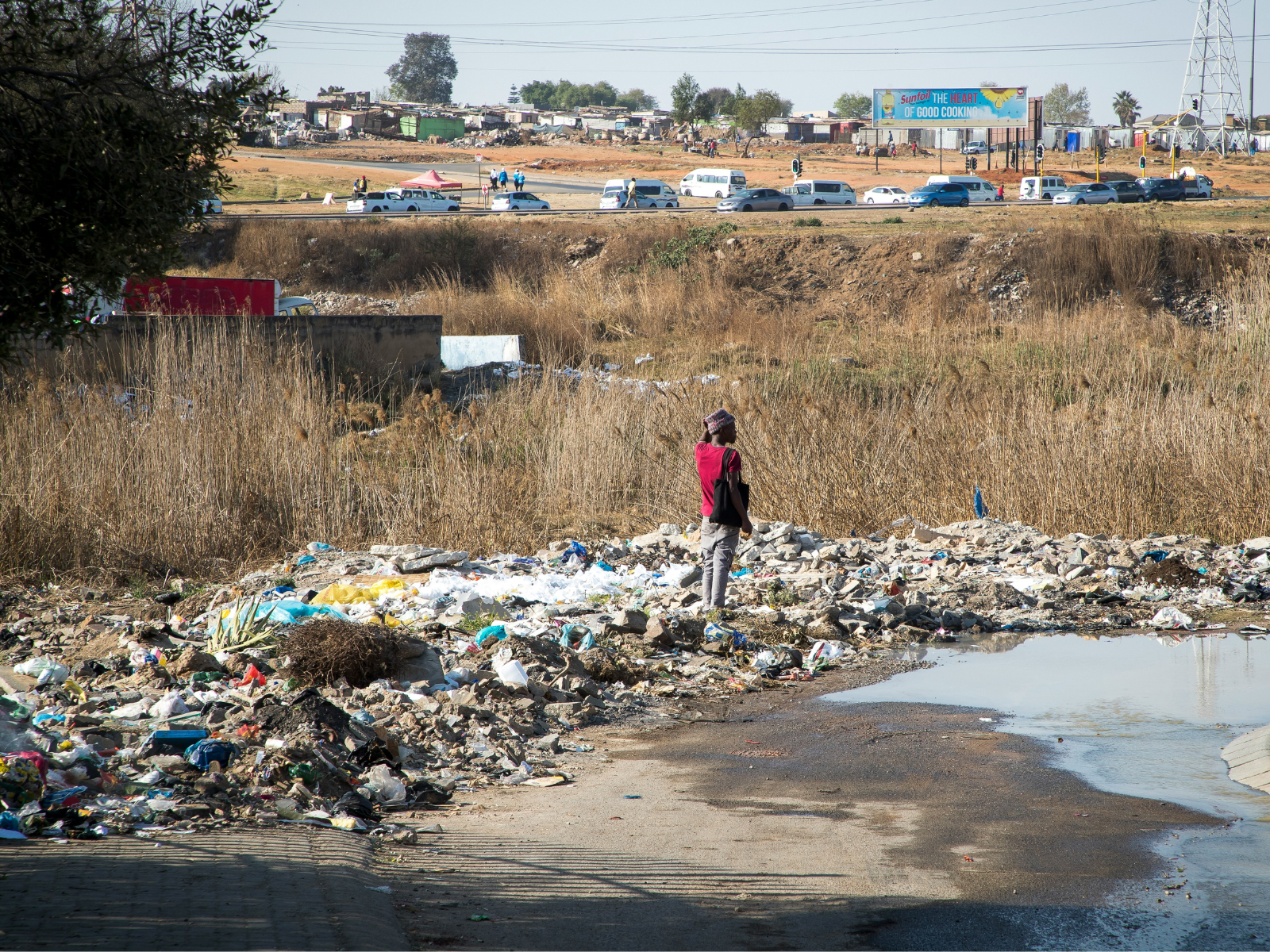
Illegal dumping remains an issue for South Africa and a priority for the DFFE
- Stabilise core operations by safeguarding landfill airspace and fleet reliability;
- Recover performance through accurate data and cost modelling;
- Transform by building circular infrastructure and expanding recycling partnerships.

The principle is clear: when metros function efficiently, they create both the capacity and the precedent for smaller municipalities to follow.
Regulation meets reality
Policy alone will not deliver reform. As Bowers and Moshoeshoe note, enforcement capacity is the weak link. While South Africa has robust environmental law, compliance remains inconsistent, particularly at the landfill level. Of the country’s 826 licensed landfill sites, fewer than half are currently compliant with environmental management conditions. Chronic underinvestment in environmental monitoring, leachate control, and rehabilitation has led to growing liabilities. This compliance gap also undermines public confidence. Communities often resist new landfill developments, citing pollution, odour, and health risks even where modern engineering standards are applied. The resulting delays, as seen with eThekwini’s long-delayed Shongweni landfill, create cascading operational and financial impacts. To address this, the WMB is promoting a risk-based regulatory model, where compliance resources are targeted at the highest-risk sites, and transparent data-sharing builds public trust.Private sector partnerships and EPR
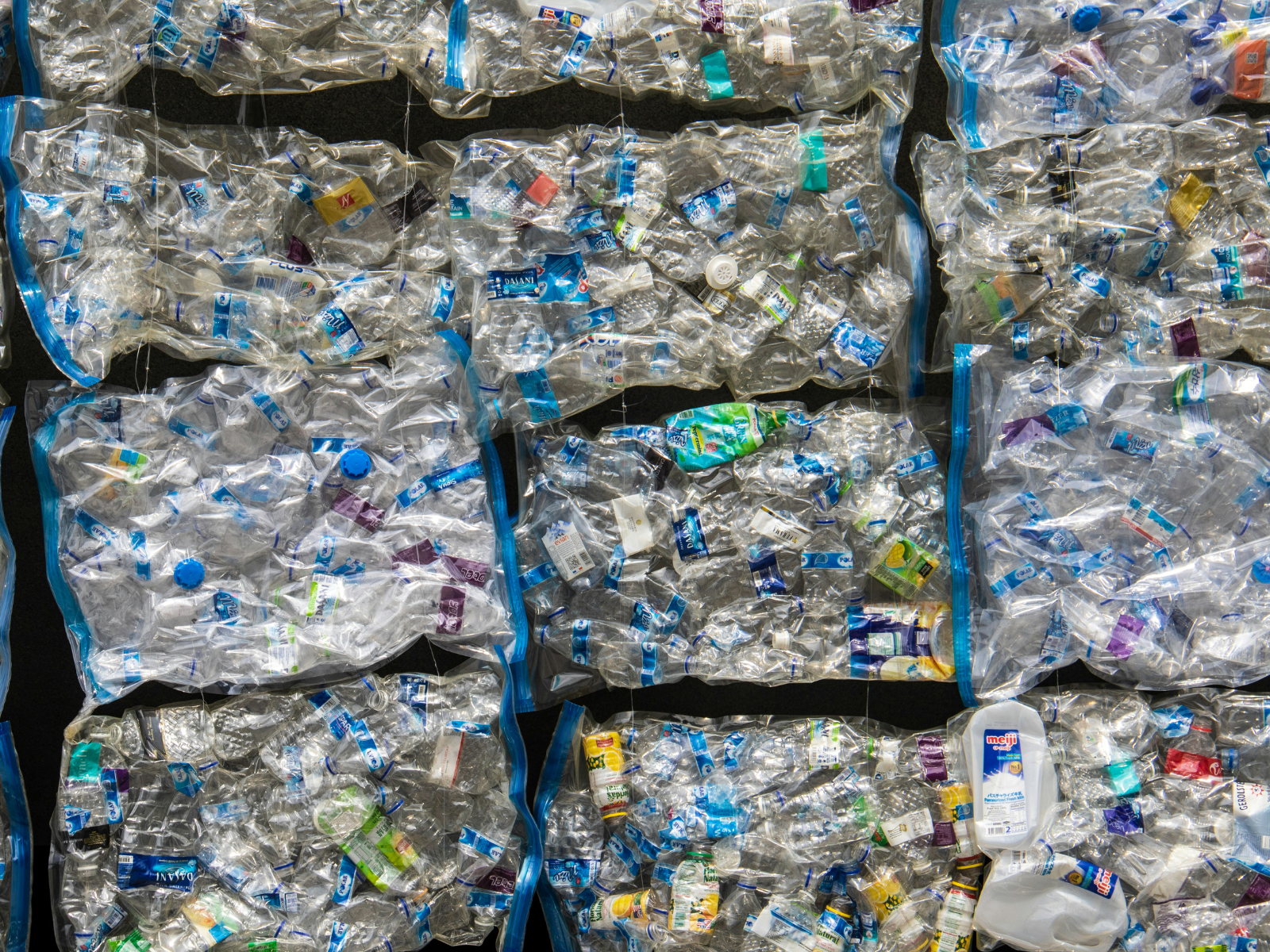
The private sector has a pivotal role to play in advancing South Africa’s circular economy. The Extended Producer Responsibility Regulations (2021) now compel producers to take responsibility for the full life cycle of their products, including post-consumer waste. This policy shift opens opportunities for new investment models. Producer Responsibility Organisations (PROs) are emerging across the packaging and electrical sectors, while the tyre sector is now managed directly through government-run EPR. Together, these models offer municipalities potential co-funding and partnerships to support collection and recycling initiatives. However, successful integration depends on governance clarity.“Municipalities need frameworks to partner confidently with PROs,” the WMB authors note. “Without transparent roles and reliable data, EPR funding risks duplication or inefficiency.”
The circular opportunity
Beyond compliance and cost recovery lies a larger opportunity: to reposition the waste sector as an engine of green growth. The circular economy is not only an environmental imperative but also a developmental strategy capable of creating jobs, stimulating innovation, and reducing municipal liabilities. Modelling conducted under the DFFE’s Waste Flagship Programme suggests that diverting 20% of waste from landfill could unlock thousands of jobs in recycling, composting, and materials recovery. Such diversion would also slow the rate of landfilling, potentially extending site lifespans and deferring significant capital expenditure on new facilities. This vision requires coordinated investment in data systems, technology, and human capital. The DFFE advocates for a national Circular Economy Implementation Plan linking waste management reform to industrial policy, infrastructure funding, and climate finance.From diagnosis to delivery
The authors are unequivocal: the time for analysis is over. “The sector has enough diagnostics,” they argue. “What is needed now is coordinated, funded, and monitored implementation.” This implementation must be phased, data-driven, and performance-based. Under the Metro Trading Services Reform Programme, a structured pathway for reform is established, centred on measurable milestones:- Year 1–2: Stabilise municipal operations, standardise data collection, and complete baseline cost recovery assessments.
- Year 3–5: Expand circular pilot projects and enforce compliance improvement across high-risk landfills.
- Year 5–10: Scale successful models nationally, institutionalise EPR collaboration, and integrate waste management within green industrial strategies.
Rebuilding trust through performance
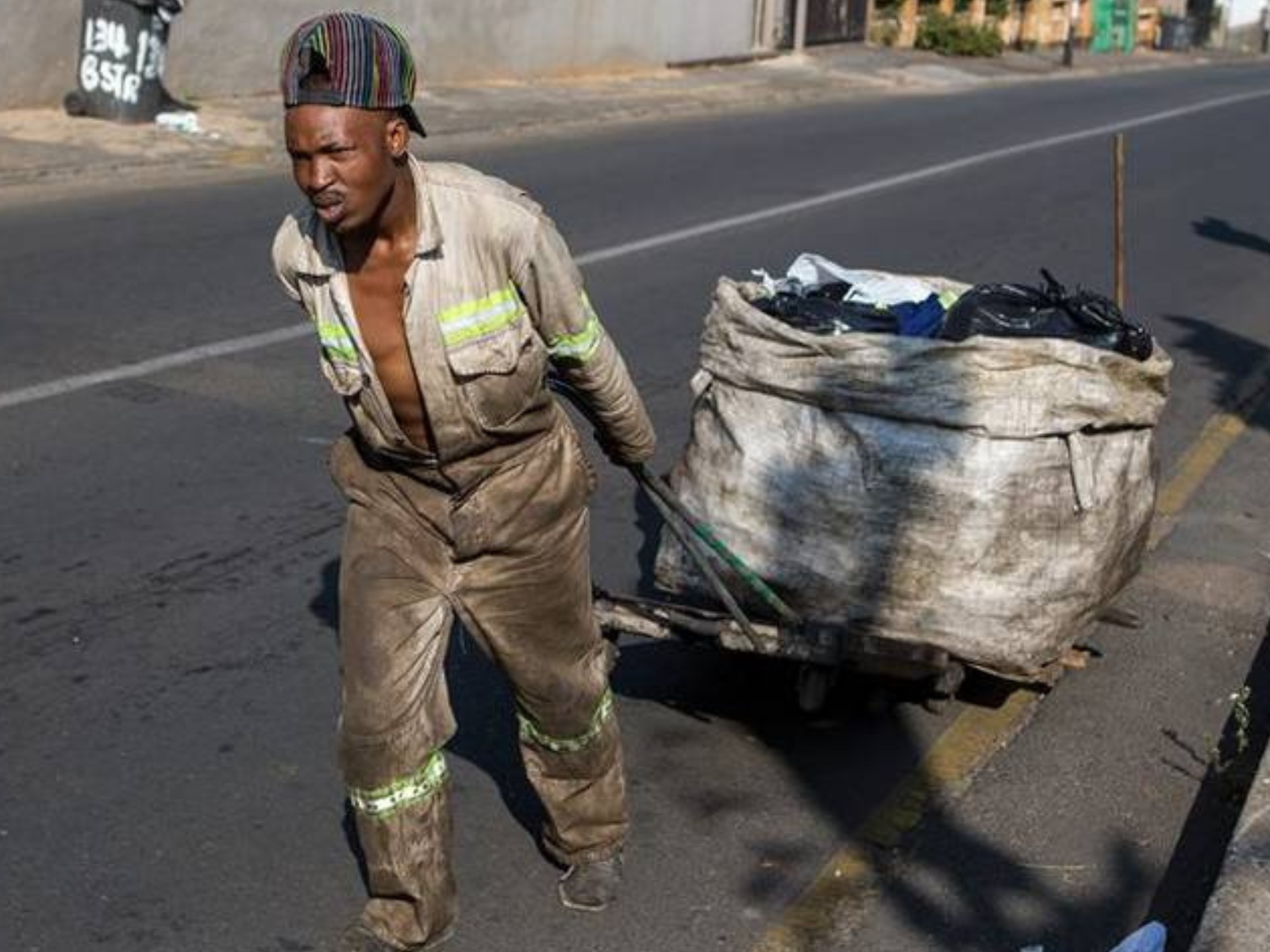
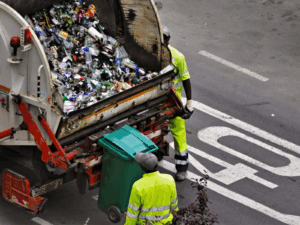
Much of South Africa’s recycling relies on the informal economy, estimated to account for 80- 90% of the countries’ recycling collection. Image credit: Simphiwe Nkwali