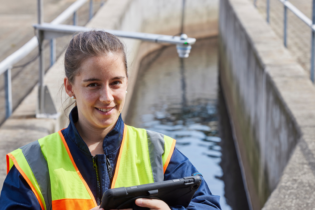
Terene Govender, Junior Water & Wastewater Industry Developer, Endress+Hauser
Making non-revenue water more manageable
According to the 2022/23 No Drop Report, South Africa loses 2.08 billion m³ of non-revenue water each year. With conditions worsening over the past three years, this now translates into losses of more than R35 billion annually. Endress+Hauser is already supporting several municipalities with cloud-based monitoring platforms trials that provide pressure monitoring and leak detection in real time. Although adoption is not yet widespread, early results show promise.“In many cases, leaks happen underground and can continue for days or weeks before anyone knows about them. Our monitoring platforms can detect these losses immediately and then issue alerts. This helps our clients to better plan their maintenance activities,” she says.Real-time monitoring also empowers utilities and companies to respond faster to quality changes in treatment processes, ensuring compliance with Blue Drop and other regulatory frameworks.
Improving energy efficiency
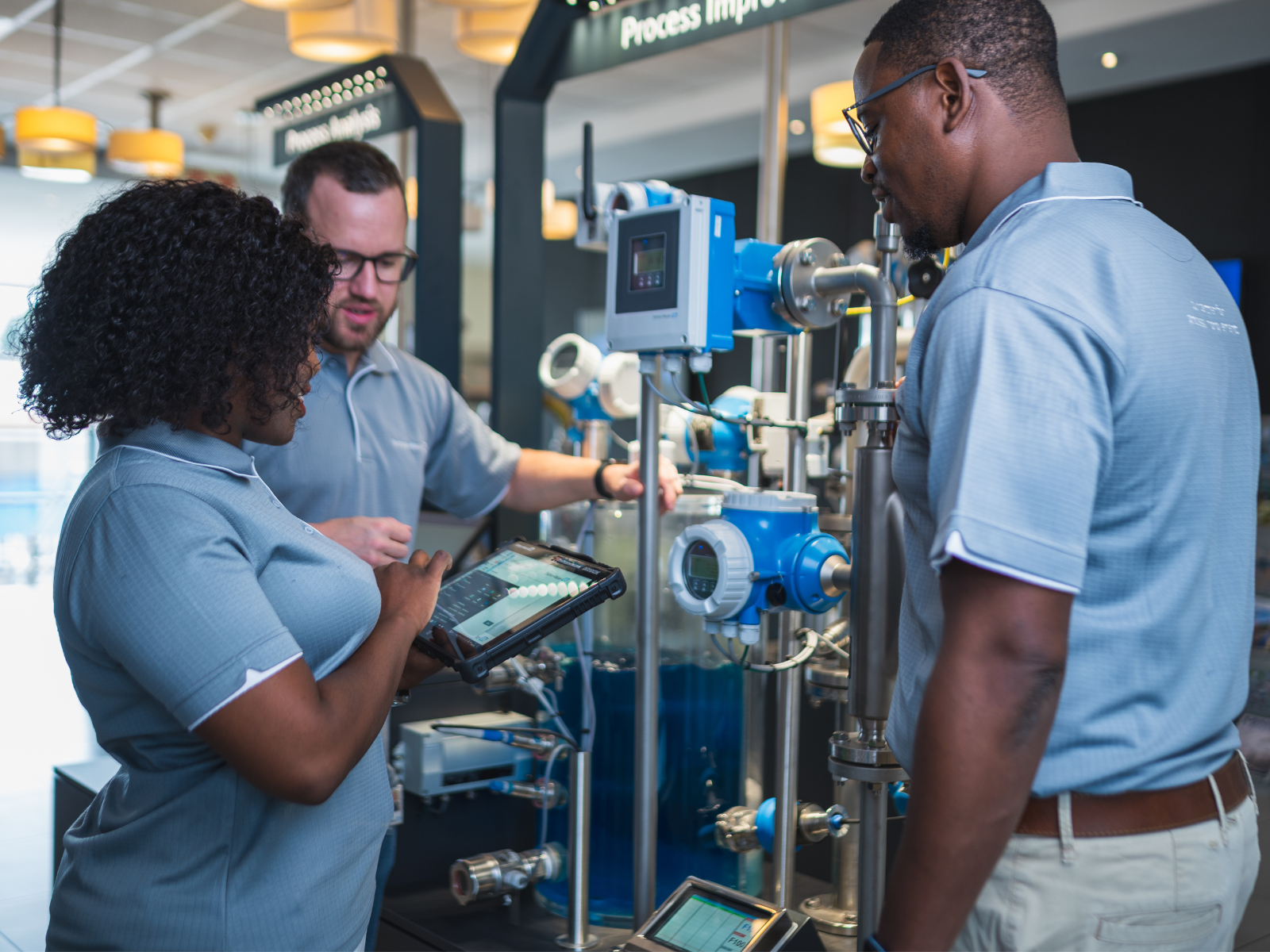 Pumps remain some of the biggest energy users in water treatment and distribution. Digital tools allow operators to run pumps only when necessary and at optimal performance settings.
“You’re able to optimise pump usage, reduce operational costs and avoid unnecessary wear. Digitalisation helps you run your equipment only when it is needed,” explains Govender.
Better data also improves service delivery. With accurate information on asset condition, maintenance backlogs, and critical equipment, utilities or private companies can prioritise repair work more effectively and reduce disruptions to consumers or their businesses.
Pumps remain some of the biggest energy users in water treatment and distribution. Digital tools allow operators to run pumps only when necessary and at optimal performance settings.
“You’re able to optimise pump usage, reduce operational costs and avoid unnecessary wear. Digitalisation helps you run your equipment only when it is needed,” explains Govender.
Better data also improves service delivery. With accurate information on asset condition, maintenance backlogs, and critical equipment, utilities or private companies can prioritise repair work more effectively and reduce disruptions to consumers or their businesses.
Compliance
Digital records further support compliance. Endress+Hauser instruments are fully traceable to ISO 9001 standards and include smart verification capabilities that check whether instruments are working properly and generate tamper-proof audit documents. These instruments can support the audit trail needed for Blue Drop, Green Drop and No Drop submissions. “You cannot manipulate the data. There are dashboards, logbooks and full transparency of what happens on each device,” Govender notes. This transparency helps rebuild trust between utilities, regulators and communities. Endress+Hauser instruments provide continuous, accurate water-quality measurement – including turbidity, pH, chlorine and conductivity – ensuring that water treatment processes remain within SANS 241 limits. In addition, asset-health monitoring and predictive-maintenance tools assist with risk management and improving overall treatment-system stability. Through integrated dashboards, operators can access clear trends, alarms and downloadable reports that can be incorporated directly into all Drop evidence packs.Where South Africa is on its digital journey
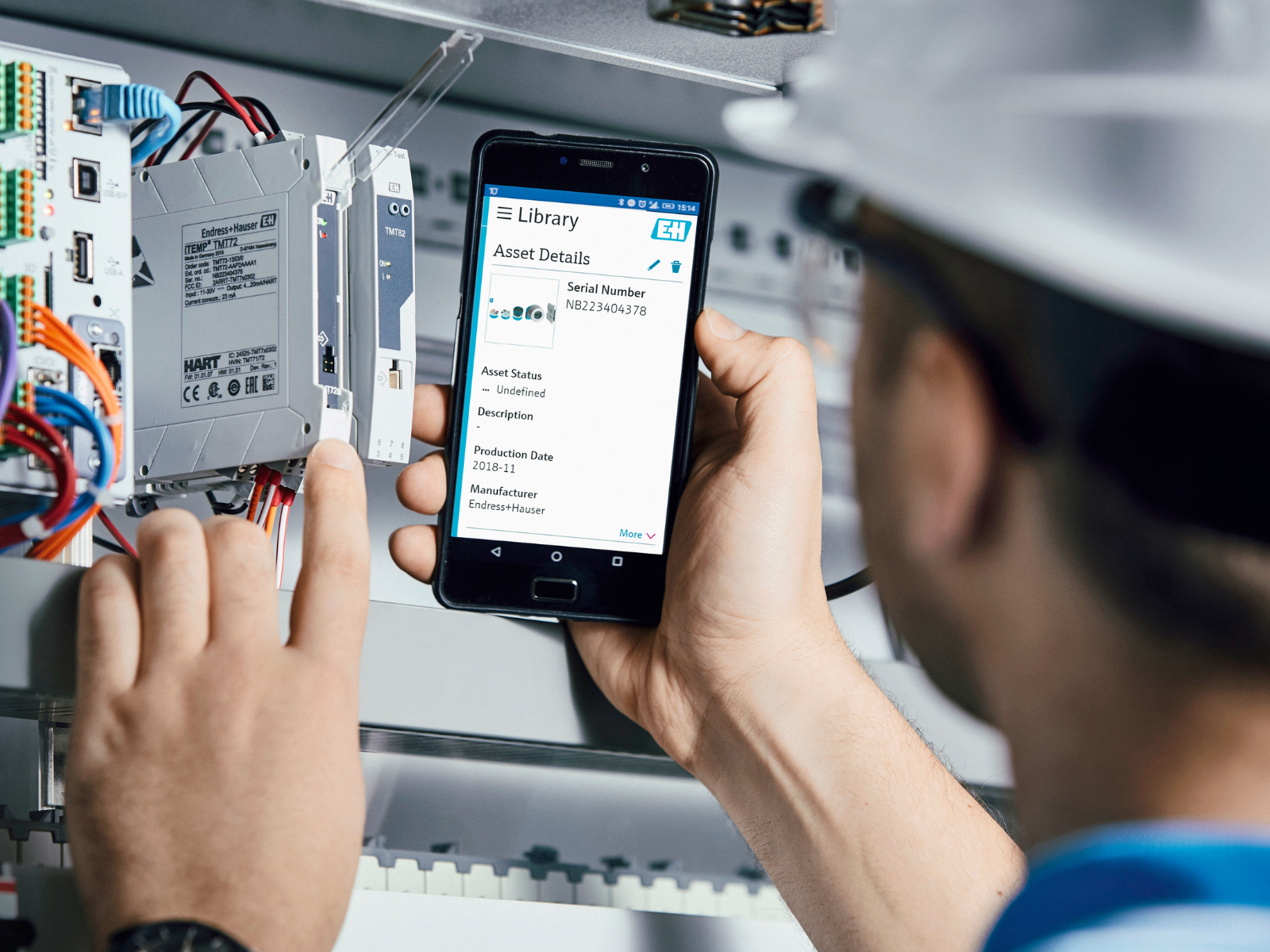

South Africa’s progress is mixed. Some metros and water boards are far ahead, while many smaller municipalities are only beginning to explore digital solutions.
“It is still early days for South Africa and Southern Africa,” adds Govender. “Most entities are open to digitalisation, but funding remains a challenge. Fortunately, new regulatory requirements may push more municipalities to adopt digital tools sooner rather than later.” Several ongoing municipal pilot projects, supported by Endress+Hauser, are already demonstrating value – especially for utilities managing multiple sites spread across a province. “From trials – especially with multiple sites – customers can identify which sites need more attention from a maintenance perspective and what additional monitoring they may need,” adds Govender.Helping customers embrace digitalisation without being overwhelmed
One of the biggest barriers to digital transformation is the perception that it is too complex or requires replacing entire systems. According to Govender, the process can be gradual, practical and minimally disruptive. “Digitalisation doesn’t have to happen all at once. Sometimes it starts with one device, tested over a few months. If it works, the client expands gradually.” The first step is always understanding the customer’s problem – not pushing a product. “We don’t go in with a one-size-fits-all approach. We start by understanding their end goal, their specific issues, and then suggest a solution that aligns with their infrastructure and their people,” advises Govender. Many of Endress+Hauser’s devices can also be retrofitted to existing tanks, pipes and systems. However, where a plant relies on extremely old PLCs or outdated SCADA systems that use old communication protocol, upgrading the communication layer may be necessary. “We begin by assessing a client’s current infrastructure and the people (in terms of skills) who will operate the instrumentation. It’s essential to optimise what is already in place — ensuring systems and equipment are used as efficiently and cost-effectively as possible — before expanding or scaling any digitalisation strategy,” says Govender.Cyber security, theft and vandalism
With global attacks on utilities increasing, cybersecurity cannot be ignored. Endress+Hauser uses cybersecurity standards equivalent to those used in the banking sector. Importantly, its cloud system communicates only with the device – not directly with a customer’s PLC or SCADA – significantly reducing risk. Instrumentation theft is also a growing concern in South Africa. Endress+Hauser addresses this by offering devices designed for high-risk environments, including units that can be buried underground or run on batteries without external cabling. “With no visible cables, there is nothing to steal,” adds Govender.Innovations in the market
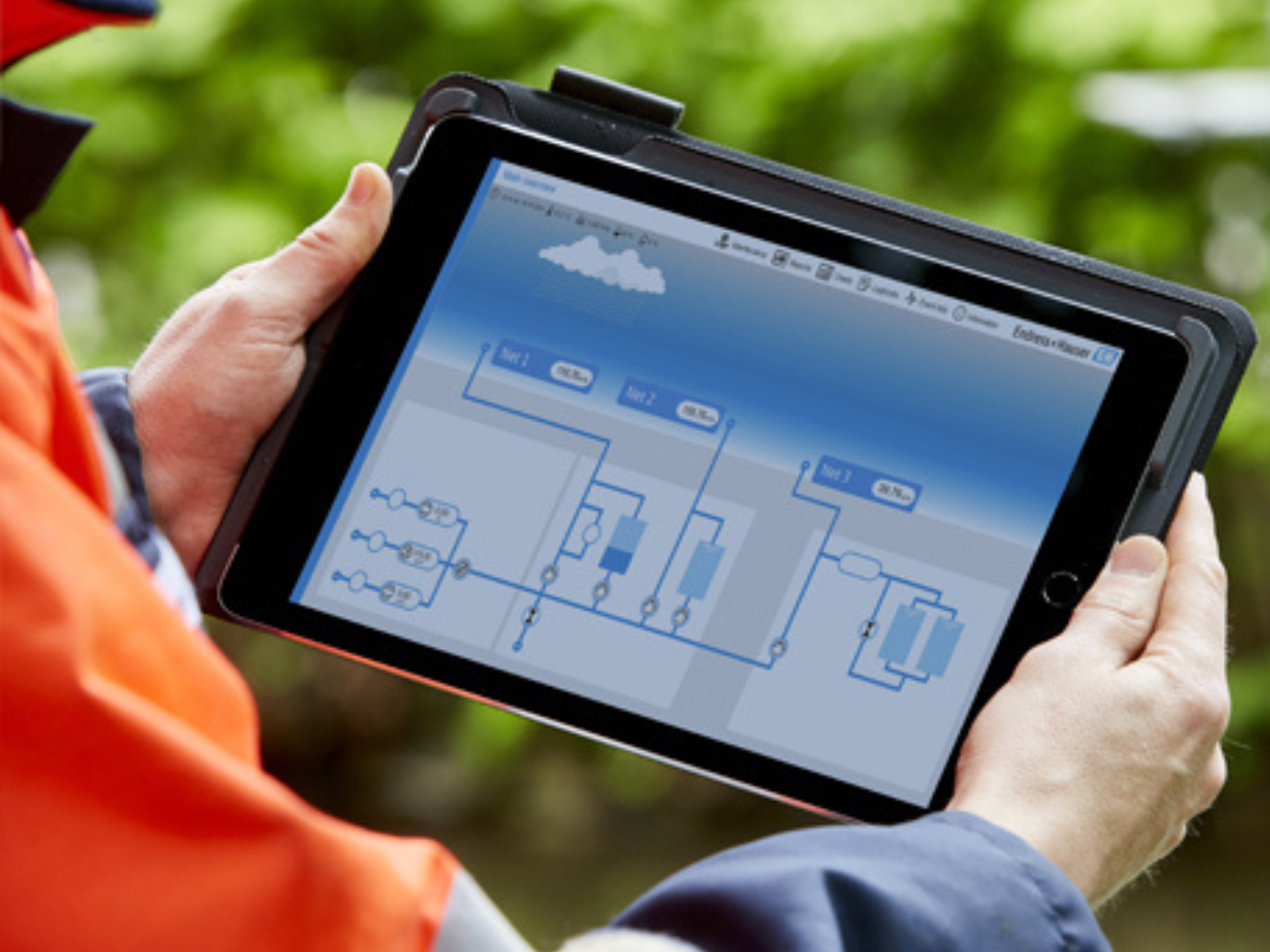 Endress+Hauser have a number of new technologies in the market. Netilion is a cloud-based Industrial Internet of Things (IIoT) ecosystem. It is designed to connect physical field devices (sensors, flowmeters, analysers) with digital platforms, enabling real-time monitoring, diagnostics, analytics and lifecycle management of assets. They have also developed Liquiline CM44X transmitters that are fitted with an edge module that sends data straight to the cloud instead of through PLCs.
“We have also recently launched a new controller for levels and flow that is fitted with Wi-Fi capabilities and Ethernet to view trends,” states Govender.Beyond instrumentation, Endress+Hauser positions itself as a long-term partner to utilities, backing up its technology with training, after-sales support, cloud-based monitoring solutions and practical implementation strategies. As South Africa moves toward modernised water systems, digitalisation offers a realistic, scalable route to improved compliance, reduced losses, greater resilience and more reliable service delivery.