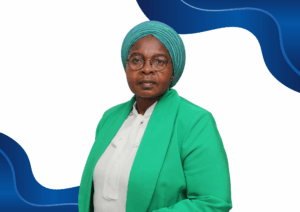
Dr. Esper Ncube’s journey from a rural village to a leadership position at Rand Water is a testament to resilience, purpose and an unshakable belief in education’s power to transform lives.
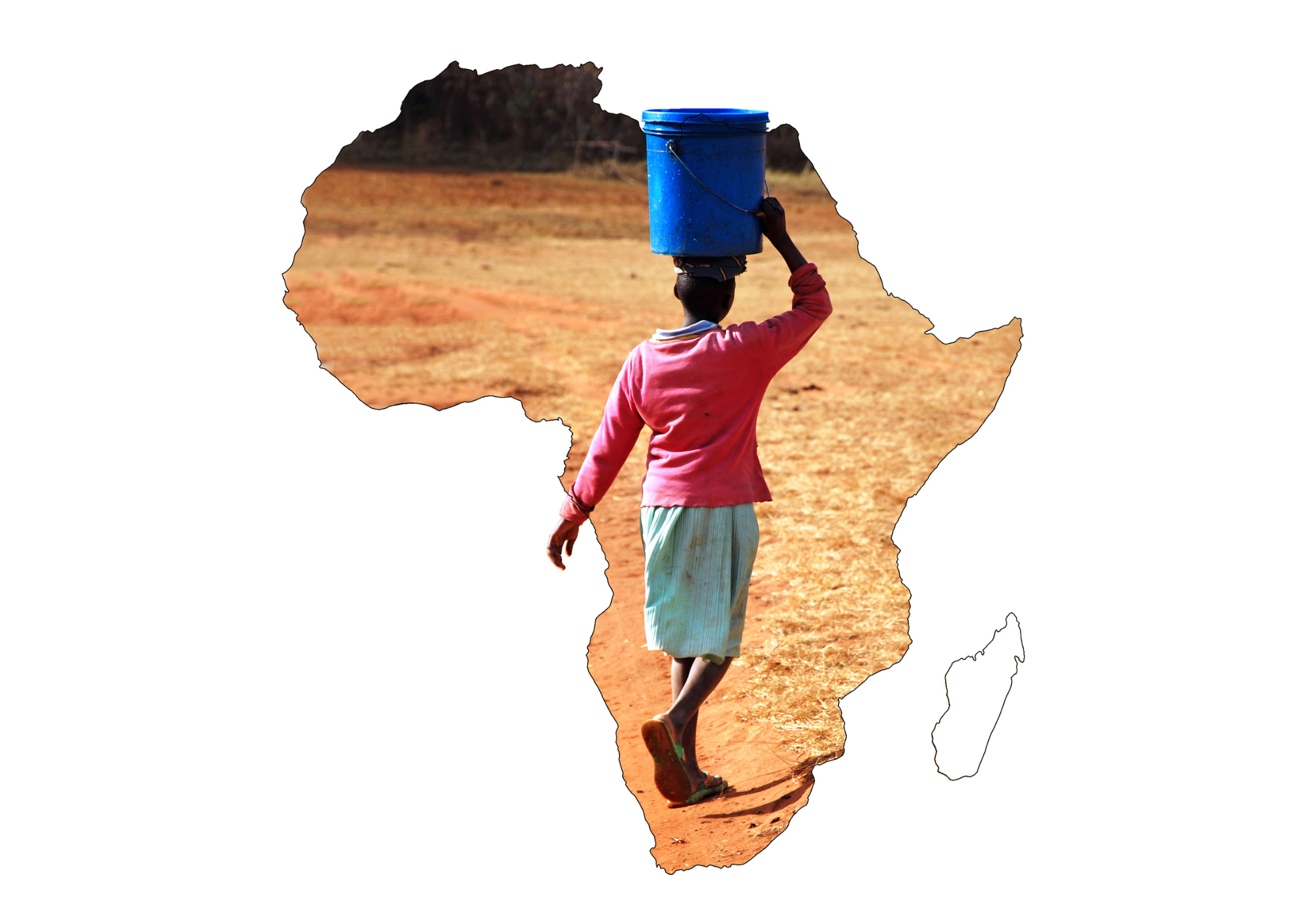
Growing up in a rural community with no access to safe drinking water and sanitation services, Dr. Esper Ncube knew the daily burden of fetching water long before she knew the science behind it. She recalls waking up before dawn to join other women and girls, who would walk long distances with 25-litre containers balanced on their heads.
“You could fill your container faster from a river just after the rains when the water level was high. At a well, however, the flow was often slow, and getting water depended on who arrived first – those at the end of the queue sometimes went home empty-handed.“I know the experience of waking up in the morning and not knowing where I will find water to fill my 25-litre container. These experiences drew me to the water sector.”She finds it heartbreaking that, decades later, the same scenes still play out across Africa. “Governments in general are overwhelmed. Factors like climate change, population growth, industrialisation, urbanisation, poverty and malfunctioning wastewater treatment plants (resulting in pollution) make it extremely difficult to achieve Sustainable Development Goal (SDG) 6: clean water and sanitation for all. An increasing number of people are converging in urban areas in search of better access to services and resources – water being one of the most essential.”
Career
 At a time when cultural expectations dictated that girls leave school after the early grades to marry, Dr Ncube’s parents chose a different path.
“I grew up in an era where men were seen as the heads of families, and women were expected to focus on domestic duties. My mother’s education ended at standard one (grade 3) because that was considered enough for a girl. But my father was determined that his daughters would go further — and that changed everything,” she recalls.While some girls in the city were able to continue their studies, Ncube grew up in a village where it was almost unheard of for a girl to attend high school, let alone university. Determined to challenge that mindset, she made it her mission to break the cycle and inspire change. Her path to the water sector was far from direct. “I’m a teacher by profession,” she explains. “But the water sector called me. While teaching in Cape Town District Six, I was disturbed by the polluted streams of Khayelitsha, Gugulethu and Langa and the lack of sanitation and decided to return to university to study BSc (Hons) in Chemistry (UCT) and, later, BSc (Hons) Water Utilisation (UP).” Dr. Ncube has held various management positions within the Department of Water and Sanitation (then called the National Department of Water Affairs and Forestry) as well as Rand Water and taken part in numerous projects to address the needs of women and children who do not have a consistent, safe supply to water and sanitation. “When working at the National Department of Water Affairs and Forestry, I noticed that rural students were unable to complete their technical diplomas because they lacked access to work-integrated learning placements. To change that, I launched (with the support of the Department) a national experiential-learning programme targeting previously disadvantaged students in 1998. We recruited learners from all nine provinces, mostly from rural areas, townships and placed them in the water sector for practical training. “Receiving graduation photos of these students with their families celebrating, was to me, my greatest achievement. Many of those graduates are now professionals across government departments, mining, research councils as well as the private sector and institutes of higher learning – from water managers, educators, engineers, groundwater specialists to pollution control officers. I am still mentoring many of these individual to this very day as my aim is that they do not fail and they get the support that I never got.” Dr. Ncube’s research work was equally impactful. Concerned about South Africa’s debate over fluoridating drinking water supplies, she conducted a master’s study mapping fluoride concentrations in water nationwide and demonstrating the impact of dental fluorosis and skeletal fluorosis. Her findings revealed naturally high fluoride levels in several regions, prompting her to argue against adding more.
“I recommended alternative ways of improving dental health, and ultimately South Africa decided not to directly add fluoride to drinking water supplies,” she notes.
Rand Water
 After joining Rand Water in 2002 as head of water quality and environmental projects, Ncube continued to expand her expertise – completing a PhD that combined water science with public-health disciplines such as introduction to toxicology, learning in public health, environmental health, health risk assessment, exposure assessment, endocrine disruption, biostatistics and environmental epidemiology.
“I didn’t want to be a paper doctor,” she laughs. “I wanted to understand how water quality directly affects people’s health.“For example, when I’m calculating a guideline value for a contaminant in drinking water or when I’m developing a standard and calculating the value of a standard, a lot of things have to come into that calculation, the average weight of the population, the risk, the degree of uncertainty, how the population is exposed, effect and no adverse effect values and the total daily intake dimension.” At Rand Water, she found a professional home that valued both her scientific rigour and her human-centred vision. “This organisation supported me from day one – from funding professional memberships to allowing me to mentor and collaborate internationally. I like solving problems, and I cannot solve problems by working alone, so I like to network and collaborate.” One highlight was representing Rand Water under the UN-Habitat programme, training utilities in Ethiopia and Kenya on water-safety planning.
“Seeing the enthusiasm in their eyes reminded me why I do this work – it’s not about money, it’s about the calling.”Recently, I saw myself being one of the pioneers in getting into the Zanzibar, Tanzania space in helping the organisation fulfil one of its strategic objectives. That sense of purpose drives her view of the sector’s challenges and opportunities. She points to population growth, climate change and ageing infrastructure as critical pressures, but believes innovation can unlock progress. “We need to think circular economy – reuse treated wastewater, recover nutrients, generate biogas, and diversify our water sources,” she says. “Rand Water’s vision of becoming a continental supplier of safe water reflects that forward thinking. I want to be a part of that. I want to change lives for the better in Africa.”
Advice to younger professionals
 Dr. Ncube tells all of her mentees to treat themselves as a brand. To do regular SWOT (strengths, weaknesses, opportunities and threats) analyses and Porter’s five forces and constantly look forward to what more can be achieved.
Asked what advice she would give her younger self, she smiles.
Dr. Ncube tells all of her mentees to treat themselves as a brand. To do regular SWOT (strengths, weaknesses, opportunities and threats) analyses and Porter’s five forces and constantly look forward to what more can be achieved.
Asked what advice she would give her younger self, she smiles.
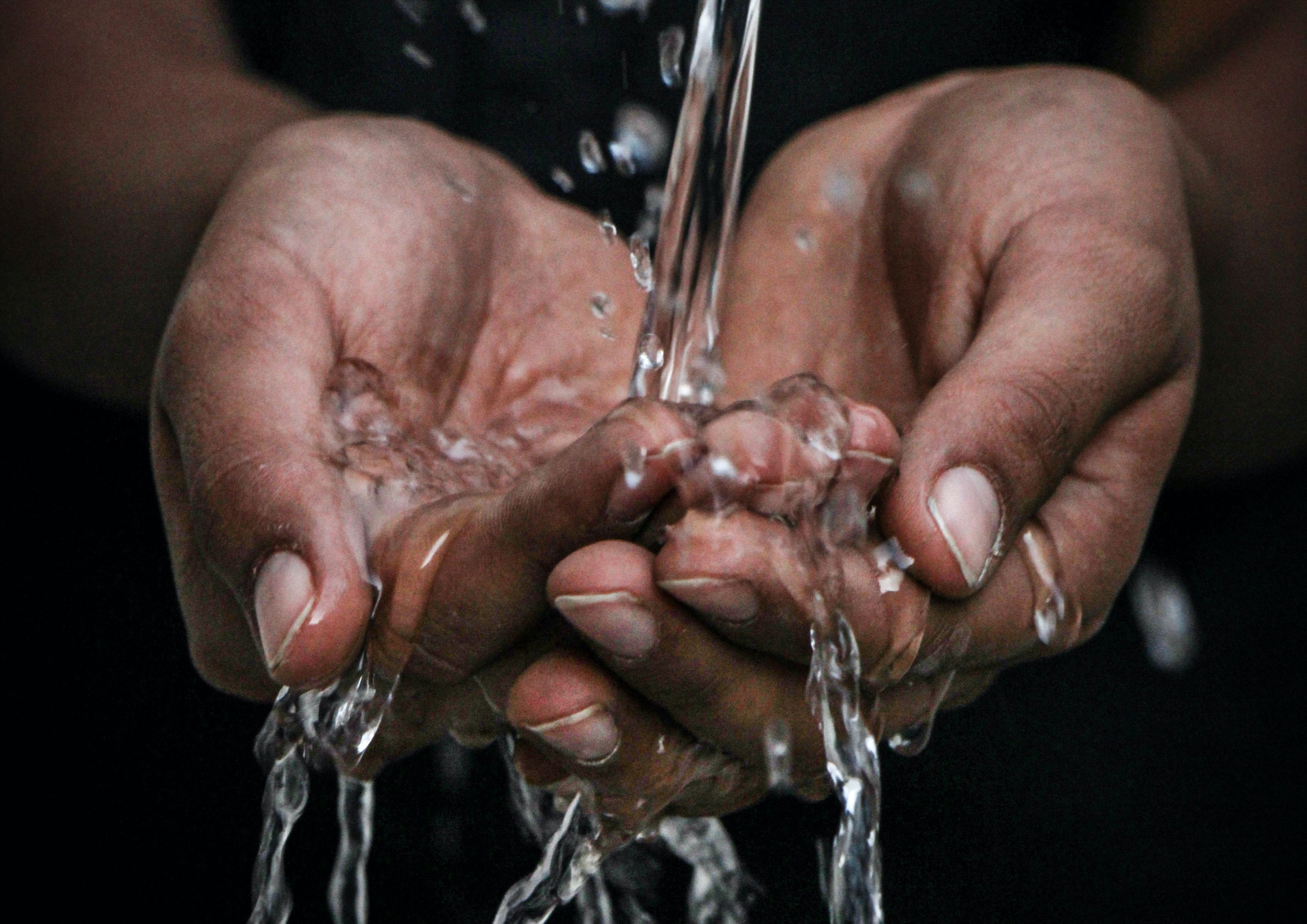
“Never give up. When life squeezes you, be like water in a plastic bag – it doesn’t escape, it simply finds another space to move.”Her story embodies that metaphor. From rural hardship to national leadership, Dr. Ncube continues to prove that perseverance, purpose and education can change not only one woman’s life, but the lives of countless others across Africa. She portrayed this by being a recipient of a Continental Lifetime Achiever in Capacity Building in Africa in 2015. “When I encountered circumstances or people that tried to hinder my growth, I would say to myself: ‘They do not know what I am made of, I have a calling.’ Working in the water sector truly is a calling. Water is far more than what flows from a tap – it is the thread that connects every aspect of life. It sustains a child’s health and ensures that hospitals can perform life-saving procedures like dialysis. It enables farmers to grow crops and produce the food we eat. It keeps schools clean and functioning, industries running, and cities alive. It cools power stations, supports ecosystems, and provides dignity through sanitation. Every drop represents health, opportunity, productivity, and life itself.”
Profile: Dr. Esper Ncube
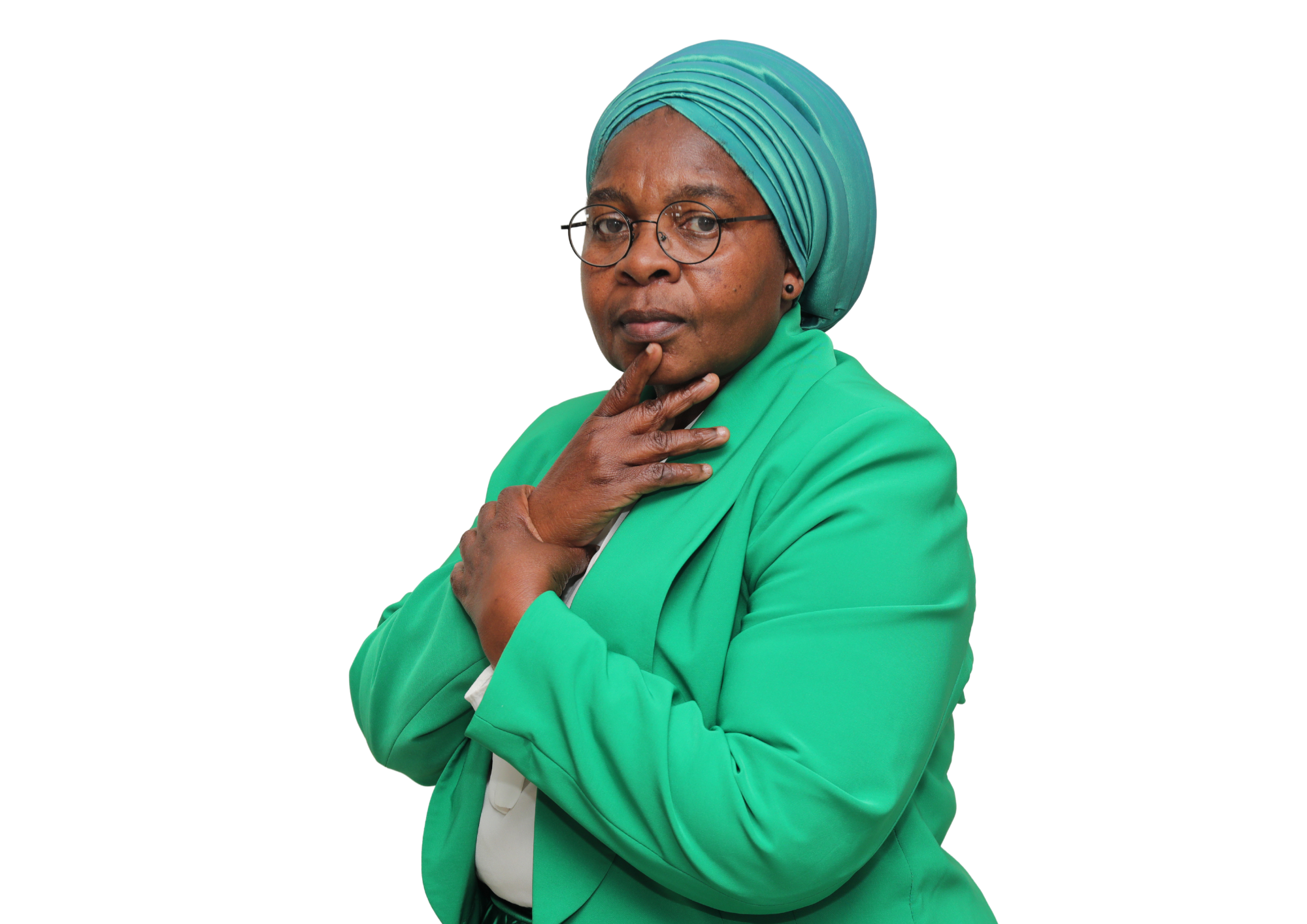
Education
- PhD Public Health, University of Pretoria (UP)
- MSc Water Utilisation, UP
- BSc (Hons) Water Utilisation, UP
- BSc (Hons) Chemistry, University of Cape Town (UCT)
- BSc Chemical Sciences Education, Cuba
- Project Management, North-West University (NWU)
- Management Advanced Programme, Wits Business School
- Master of Business Leadership, UNISA
- Certificates in Coaching and Mentoring
Research and academic contributions
- Presented 75+ papers at national & international conferences since 1998
- Research topics: fluoridation, water-quality monitoring, disinfection, by-products, waterborne diseases, emerging contaminants, water reuse
- Supervised: 7 PhD, 8 Master’s students + 1 Postdoctoral Fellow
- Publications in peer-reviewed journals on water chemistry, microbiology, environmental health, and water/wastewater quality assurance frameworks
Professional leadership and memberships
- Senior Fellow, Water Institute of Southern Africa (WISA)
- Co-founder & former Chairperson, WISA Water Reuse Division (est. 2013)
- Chairperson, SABS TC 0224 (Drinking water & wastewater systems)
- Member, SABS TC 0147 (Drinking water quality)
- Member, Institute of Directors SA (IoDSA)
- Associate Member, South African Institution of Civil Engineers (SAICE)
- Member, Public Health Association of SA (PHASA)
- Member, Education Association of SA (EASA)
- Member, International Water Association (IWA); session chair & reviewer for WWCE since 2022
- Management Committee of the IWA Disinfection Specialist Group
- Member, Coaches and Mentors of SA (COMENSA); mentors & coaches water-sector professionals across Africa
- Member, Rural Water Supply Network (RWSN)
- Chairperson, Tshwane University of Technology Advisory Committee for Water Care
- Member, UNISA iNanoWS Advisory Board
- Member, African Water and Sanitation Association (AfWASA); Strategic & Technical Council reviewer