Western Cape Department of Water and Sanitation wishes all water users a prosperous and safe new season. Further, DWS urges all users of water to conserve water.
The hydrological report of 29 December indicates a notable decline in few dam levels across the Western Cape Province. The Western Cape State of Dams which is combined average of all dams in the province is currently sitting at 62,79% and over 20% decline compared to same time last year. DWS remains concerned with the Gouritz River Catchment, which covers the Central, Little Karoo, and Coastal Belt, with Knysna Municipality facing a potential water supply challenge. Ms Ntombizanele Bila-Mupariwa DWS Western Cape Provincial Head says that DWS, Provincial Government of the Western Cape, Knysna Municipality and Breede Catchment Management Agency (BOCMA) are implementing short-medium interventions through a weekly Joint Operation Committee (JOC) “ The JOC is standing Intergovernmental structure (National, Provincial and Local government) which convenes weekly to assess progress on interventions being implemented in Knysna” says Bila-Mupariwa.
The City of Cape Town Metropolitan Municipality has raised concern regarding current water consumption levels, which have exceeded the approved target. Recent statistics indicate an average daily consumption of 1 010 megalitres per day (MLD), surpassing the set limit of 975 MLD. While seasonal increases in water demand are anticipated due to an influx of visitors, Ms Bila-Mupariwa continues to urge all water users to use water sparingly and adopt responsible water use practices to safeguard the sustainability of the water supply system.
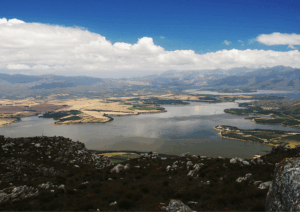
Among individual dams, Theewaterskloof dam, which accounts for more than 50% of the country’s water supply, is currently at 67,13% rather than 68,33% last week. Only Buffelsjags Dam has seen an increase of more than 5% this week.DWS continues to deliver comprehensive regulatory oversight and technical support to all Water Services Authorities across the province. This includes ongoing monitoring of both water quality and water resource availability to ensure compliance, reliability, and the long-term sustainability of water supply systems.