Water is the foundation of life, economic development, and environmental protection. Yet, behind every drop of safe drinking water and every litre of treated effluent lies a group of highly skilled professionals who ensure that systems function optimally, those giants are process controllers. Within the Water Institute of Southern Africa (WISA), process controllers are increasingly recognised as imperative to water security, environmental sustainability, and public health.
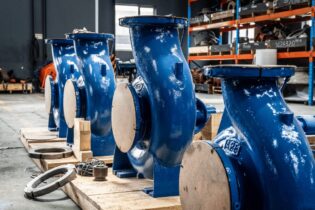
Process controllers are the operational backbone of water and wastewater treatment facilities. They are responsible for monitoring, controlling, and optimising complex physical, chemical, and biological processes that transform raw water into safe potable water and ensure compliant effluent discharge. Their role extends beyond routine operation; they actively identify risks, ensure compliance with standards such as SANS 241, and respond in real time to process deviations to prevent system failures. The impact of process controllers on water stability cannot be overstated. Stable water systems require consistent quality, reliable supply, and resilient infrastructure performance. Process controllers achieve this by maintaining precise control over treatment variables such as chemical dosing, filtration efficiency, and disinfection processes. Their ability to interpret operational data and implement corrective actions ensures that treatment plants remain within regulatory limits and continue to supply safe water even under changing environmental and demand conditions. From an environmental sustainability outlook, process controllers play a frontline role in protecting ecosystems. Effective wastewater treatment prevents the release of harmful pollutants into rivers, dams, and oceans, thereby safeguarding biodiversity and reducing environmental degradation. By optimising treatment processes, they also contribute to energy efficiency and reduced chemical usage, supporting more sustainable plant operations. Advances in process optimisation demonstrate that skilled control of treatment systems can significantly reduce pollutant loads while improving operational efficiency.Professionalisation
In South Africa, the professionalisation of process controllers through Regulation 3630 marks a significant milestone. This regulation mandates that water and wastewater treatment works be supervised by qualified and registered professionals, reinforcing accountability and raising industry standards. It recognises that process controllers are not merely operators but highly trained specialists whose decisions directly influence water security, governance, and public trust.
As the world commemorates World Water Day, process controllers stand as the true frontline workforce of the global water sector. While policy discussions and infrastructure investments are essential, it is the daily vigilance and expertise of process controllers that translate these efforts into tangible outcomes which are clean water, safe sanitation, and protected environments. They are the first responders to operational challenges, the custodians of compliance, and the guardians of public health.

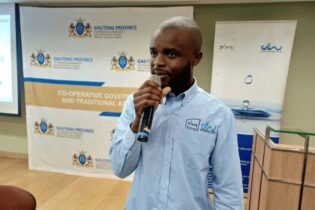
Rashamuse Vhahangwele Theodorah (Process Controller Division Gauteng Province vice lead and senior chemical process technician, Nampak)