As South Africa marks World Water Day, industry leaders across the water sector share their perspectives on one of the country’s most pressing challenges. From access and infrastructure to resilience and reform, their insights reflect both the urgency of the moment and the opportunities ahead.
John Montgommery, GM, APE Pumps

John Montgommery, GM of APE Pumps and Mather + Platt
“Water is life! World Water Day is a reminder that water infrastructure is not just about moving water, it is about sustaining economies and communities. At APE Pumps, we see it as our responsibility to ensure that critical pumping systems operate reliably, efficiently and sustainably across Africa.”
Kate Stubbs, strategy, marketing and business development director, EnviroServ
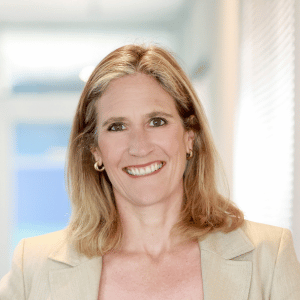
Kate Stubbs, strategy, marketing and business development director, EnviroServ
“In a water-scarce country like South Africa, the link between waste and water is critical. Effective waste management is not only about disposal – it is about protecting water resources, enabling reuse, and supporting a more circular, resilient water system. Addressing these challenges at scale will require well-structured partnerships between municipalities and the private sector to mobilise investment, strengthen operational performance, and deliver long-term infrastructure solutions – an approach that EnviroServ, a SUEZ company, is committed to supporting.”
Phindile Mahlangu , scientific services manager, Magalies Water

Phindile Mahlangu , scientific services manager, Magalies Water
“For an individual from a marginalised background in Limpopo Province, accessing water often meant drawing from communal sources or harvesting it during seasonal rains. This highlights the connection between socioeconomic factors and resource accessibility in underprivileged communities. Water Month serves as a vital reminder of water’s essential role beyond survival, impacting dignity, public health, and economic opportunity. It emphasises a shared responsibility to manage water resources sustainably and address disparities in access, which can greatly affect well-being and development. As reflected above, in the realm of gender equality, the water sector illustrates both significant challenges and notable advancements. Women and girls disproportionately experience the impacts of water scarcity, often tasked with collecting water and managing household water use. However, they also serve as powerful catalysts for positive change. Promoting gender equity in water governance requires equitable access to resources, meaningful involvement in decision-making, and intentional opportunities for leadership. When women’s perspectives and contributions are integrated into water management strategies, the resultant solutions tend to be more effective, inclusive, and sustainable, thereby enhancing overall water security and community resilience. Water Month for me serves as a reminder that achieving water security and gender equality must go hand in hand. It highlights the advancements of female trailblazers in the water sector, who have made significant strides and contributions.”
We asked a few professionals
“If you could change one thing in the water sector overnight, what would it be?”
Billy James, MD, Nuwater
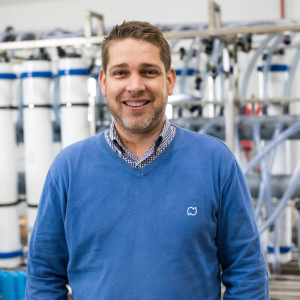
Billy James, managing executive, NuWater.
“Move from reactive, centralised systems to proactive, decentralised, and data-driven water management by adopting newer technologies.”
Jan Venter, CEO, SAPPMA
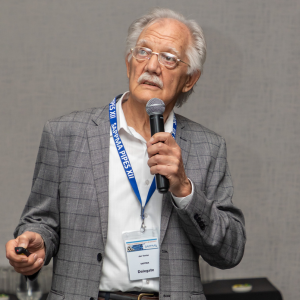
Jan Venter, CEO of SAPPMA
“If I could change one thing in the water sector, it would be the level of political prioritisation. The impression remains that the critical importance of a well-functioning water infrastructure system is not treated as a top government priority. This is particularly concerning in a water-scarce country like South Africa, where recent good rainfall in some areas has created a misleading sense of security.”
Terene Govender, junior water & wastewater industry developer, Endress + Hauser
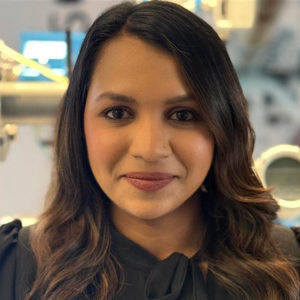
Terene Govender, Junior Water & Wastewater Industry Developer, Endress+Hauser
“If I could change one thing about our water sector overnight, it would be the reform of our aging infrastructure, to ensure that we can improve our operational capacity and ensure that every South African has access to clean and safe water”
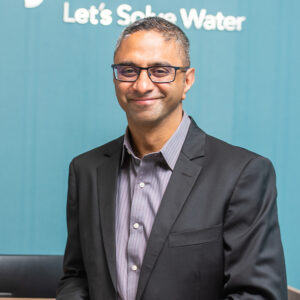
Chetan Mistry, strategy and marketing manager, Xylem Water Solutions South Africa
“We need both a mindset shift and a clear mandate: water reuse should move from being a ‘nice-to-have’ sustainability option to a standard part of every water infrastructure plan. From Xylem’s perspective, the tools to scale reuse are already here—advanced treatment, digital monitoring, and decentralized systems are tested, proven, and ready to deploy. Technology is available and is not holding us back, it’s wider adoption through policy, regulation, and the way projects are designed. With the use of solutions already available, we need to change how we plan and regulate water reuse. Treat water as a resource that we can use repeatedly.”
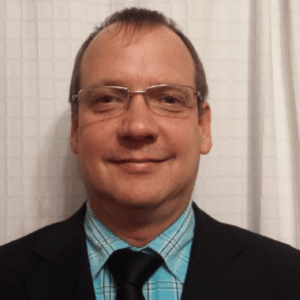
Ralf Christoph, General Manager, Hanna South Africa
“Create a five-year plan which is actioned with immediate effect, to ensure safe drinking water is supplied to ALL our citizens, specifically, those in the rural areas.”