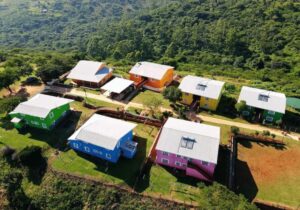
When a solar panel or battery reaches the end of its service life, what happens next can make all the difference to the environment and to local communities.
Energy 4 Hope, a proud Circular Energy non-profit initiative under South Africa’s Extended Producer Responsibility (EPR) scheme for renewable energy products, is setting the standard for safe, responsible reuse and recycling of renewable energy systems in South Africa. Established in May 2025, Energy 4 Hope is dedicated to transforming lives by delivering sustainable solar energy solutions to communities in need. Through rigorous inspection, testing, and refurbishment of solar PV modules and energy storage systems, the organisation ensures that only safe, high-performing equipment is donated to schools, community centres and institutions, thereby empowering education, development, and sustainability. Energy 4 Hope partners with producers and importers, EPCs, local NGOs and training partners, for example, the Council for Scientific and Industrial Research (CSIR), Solar Manufacturers, JA Solar and IBC Solar, Globeleq, and Volvo Trucks SA, among others, to collect, inspect, recycle, and transport donated PV modules to provide safe second‑life energy solutions. It also supports producers’ Extended Producer Responsibility (EPR) obligations while setting credible re-use standards and auditability.From waste risk to community asset
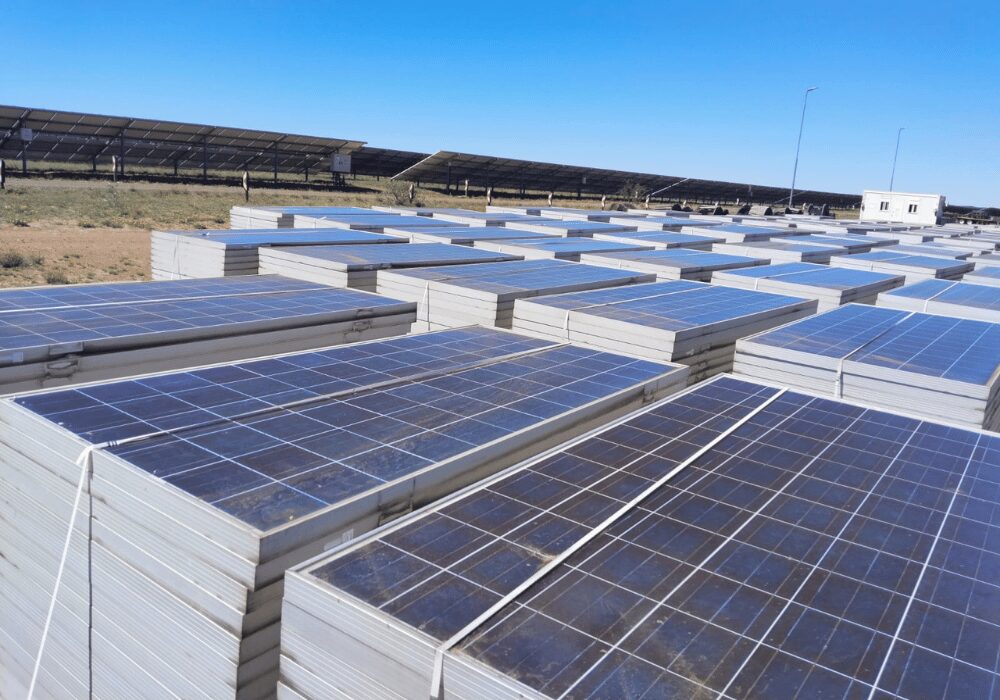
As South Africa’s solar panels begin to be decommissioned ‘circular uses’ like those in Energy 4 Hope will be vital for sustainability
“Our testing protocol ensures donor confidence and community safety,” says Ely Bronstring, Manager: EPR & Circular Partnerships at Energy 4 Hope. “Compliant technology empowers learning, sport and security, especially after dark.”The impact is self-evident: sports grounds and walkways are illuminated after dark, making communities safer and more vibrant. Children can study longer in the evenings, and public spaces become hubs of activity. At the same time, valuable materials are conserved, and less waste finds its way into landfills, which is especially important as solar modules are banned from landfills.
How the testing workflow works
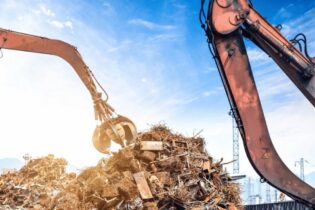
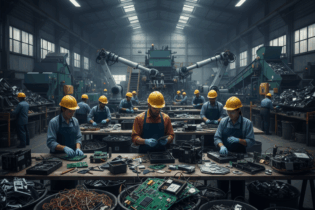
The process starts with an inspection for visible damage. Next, non-destructive tests check electrical output, insulation, and thermal stability. Only units that pass all tests are certified for re-use and donated, resulting in these products being removed from the waste stream and extending the lifespan of the products by many years – those that fail are responsibly recycled, with materials safely recovered, thereby contributing to secondary circular markets.
Equipped with a custom-designed truck and trailer, and purpose-built transportation crates, the initiative guarantees the safe, compliant transportation of the collected renewable equipment to avoid breakages, with the added capability for field inspections. This secure logistics chain is supported by the active participation of local NGOs and technicians. Their involvement at every stage turns a technical installation into a community-led success story, to bridge the gap between high-standard engineering and grassroots development.
“With Energy 4 Hope, we’ve created a system that converts end-of-life batteries and solar panels into new opportunities,” says Circular Energy’s CEO, Patricia Schröder.“Our process ensures that only safe technology is redeployed while everything else is recycled responsibly, creating a circular economy with a clear social impact.”
A case in point: iKhethelo Children’s Village
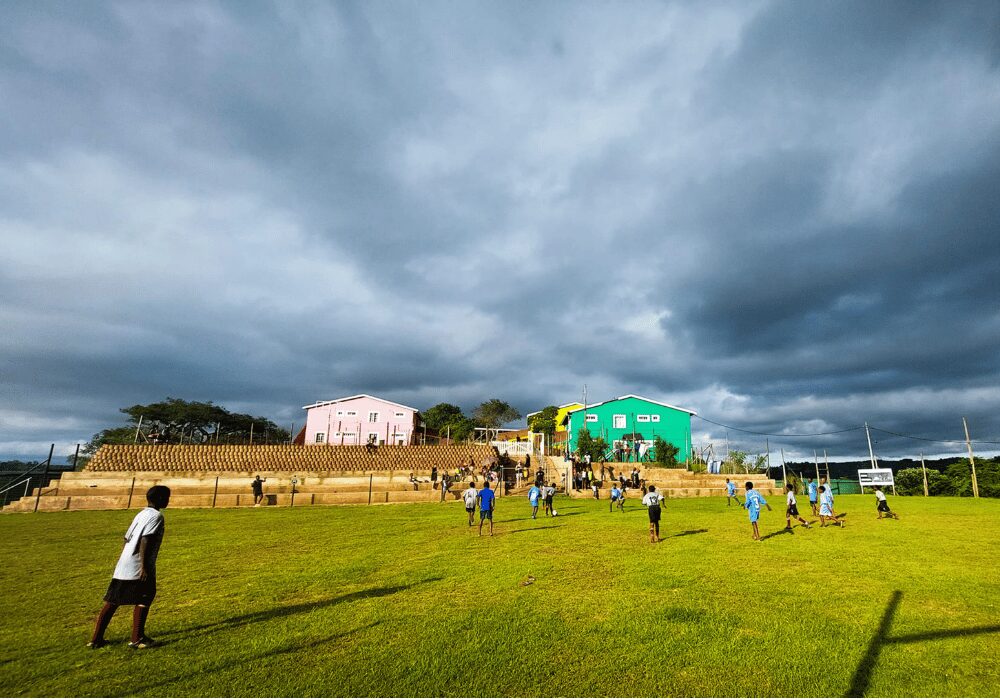
iKhethelo Children’s Village in Durban’s Valley of a Thousand Hills, where orphaned and vulnerable children in KwaZulu- Natal, South Africa, are given new hope
A call to action
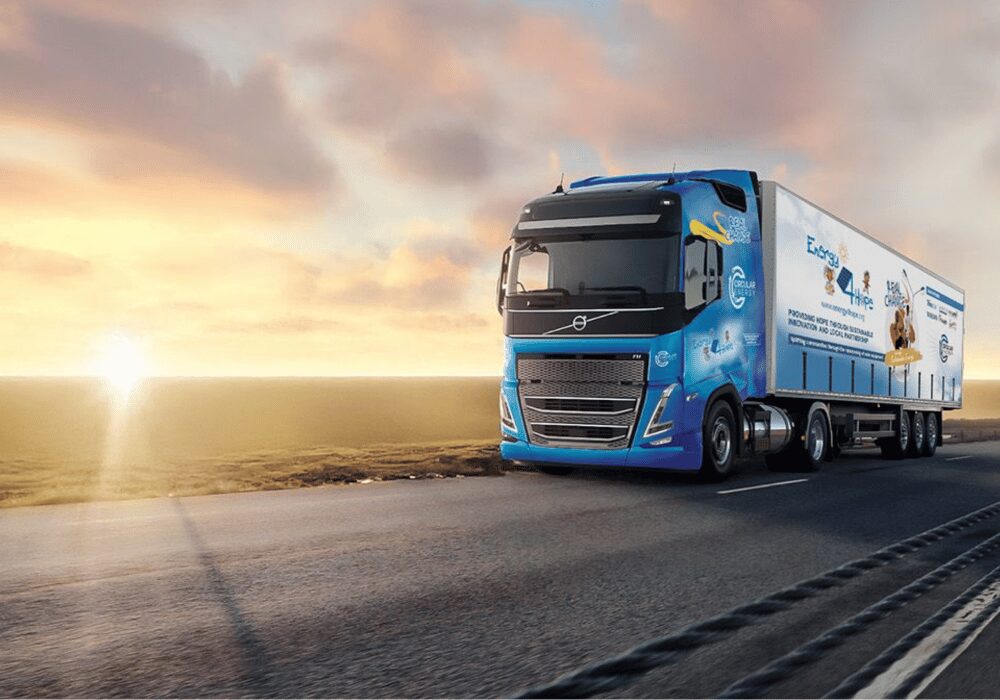
Circular Energy uses a specalised custom Volvo truck to safely transport these solar panels