


The Green Drop report lays the status of South Africa’s wastewater treatment works bare. By looking at two wastewater treatment works (WWTW) per municipality, or one per district, the Green Drop spotlights areas of concern and improvement.
Released on 31 March 2026 to align with both Water Month and Human Rights Month in South Africa, the latest Green Drop report (covering 2023 to 2024) reveals that, despite ongoing investments, the development of action plans at the 2025 Water Indaba, and targeted compliance strategies, the condition of the country’s wastewater treatment systems has continued to deteriorate.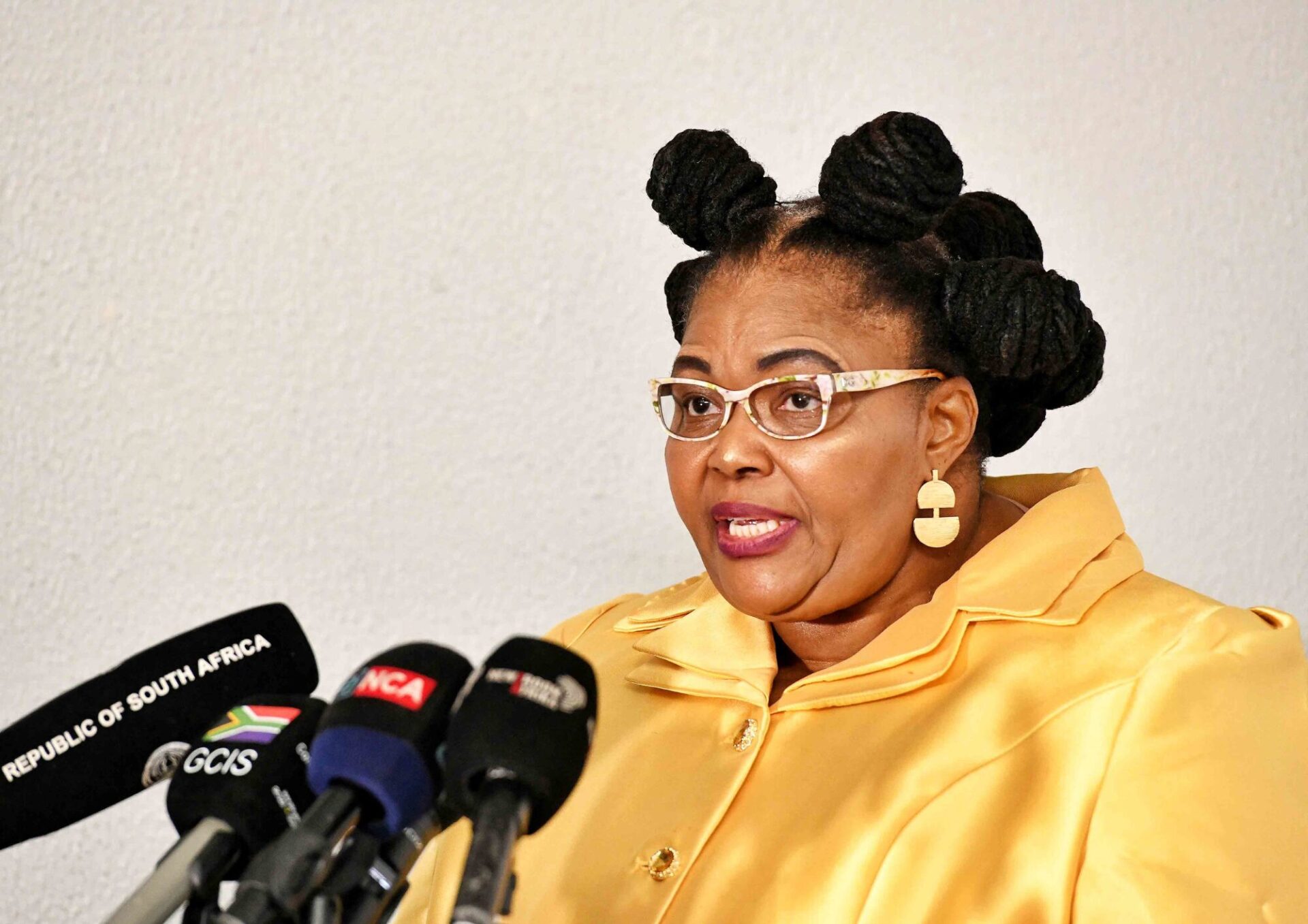
Minister of Water and Sanitation Pemmy Majodina

The Department of Water and Sanitation outlines repeat offenders, such as underinvestment, vandalism, organised crime, non-compliant maintenance, high losses, low payment, and under-billing, as the driving factors of this deterioration. This is only compounded by the lack of qualified staff and poor municipal management.
Accompanying data
The Green Drop is aided by progress reports, which show interim findings of the Blue and No Drop reports. While drinking water quality has marginally increased, this increase does not benefit WWTS in South Africa. Other factors, like high non-revenue water, are currently at a national average of 47%, and 32% of all municipalities are at critical risk for water efficiency. The minister was quick to point out that municipalities are at the centre of this decline, and calling this out is not an attack on them but part of the DWS’s duty. The department is prioritising the 105 worst-performing municipalities, and hopes that the Water Services Amendment Bill will strengthen their ability to respond to the crisis. Subscribe to our newsletters and magazines for a more detailed analysis: https://infrastructurenews.co.za/request-your-free-magazine-and-weekly-newsletter/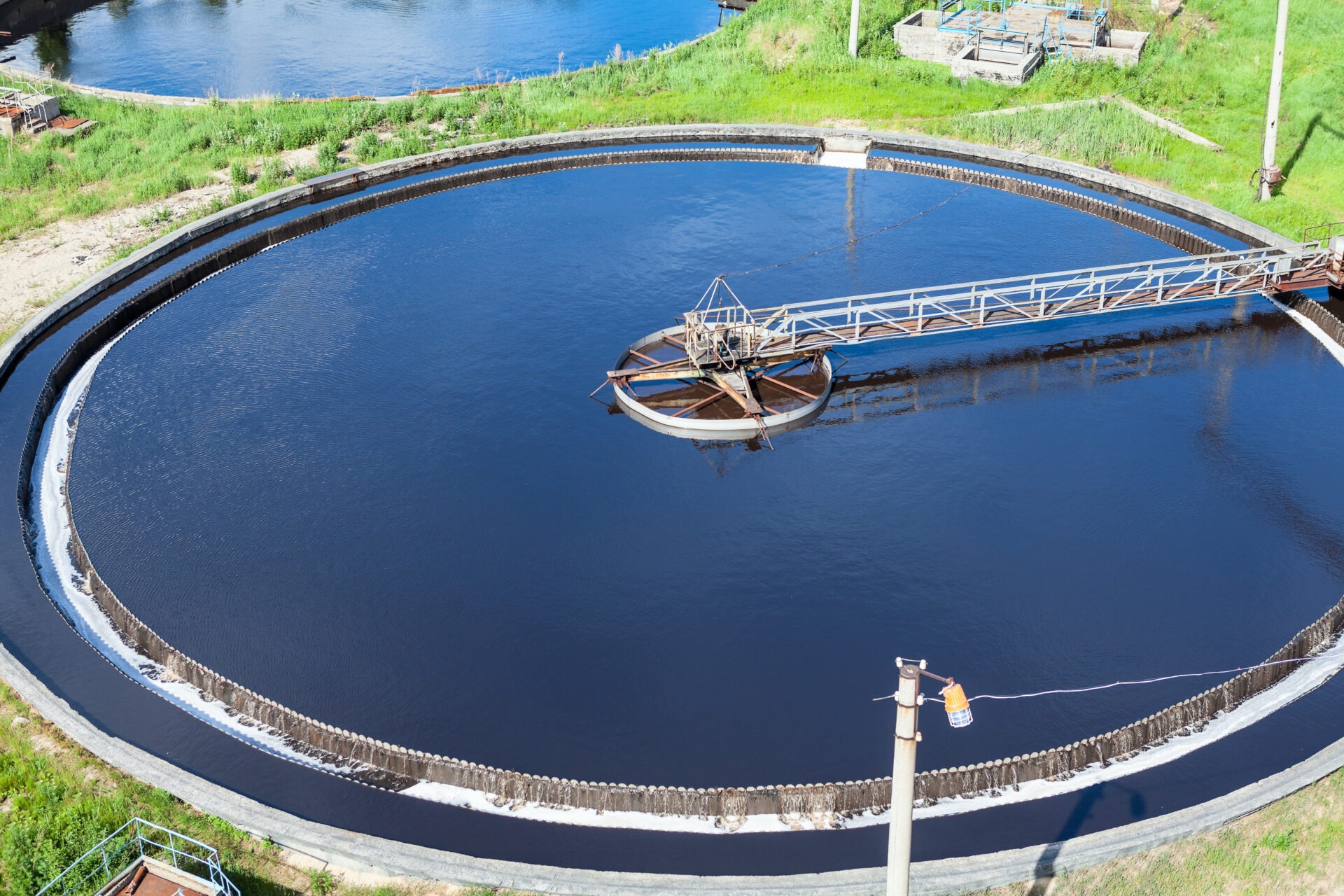
61% of all the Wastewater treatment works in South Africa are in a poor or critical risk state


