
Thorne Zurfluh, engineering manager at APE Pumps and Mather+Platt.
“This approach leaves room for inefficiency, sub-optimal selections and long lead times – particularly problematic in sectors such as water and power, where downtime carries significant operational and financial risk.”It is precisely these inefficiencies that APE Pumps is targeting through its broader digital transformation strategy. As part of this evolution, the company has developed an artificial intelligence (AI)-powered pump selection tool, designed to guide users through the specification process and recommend the most suitable pump configurations based on specific operating requirements.
Blending human insight with machine intelligence
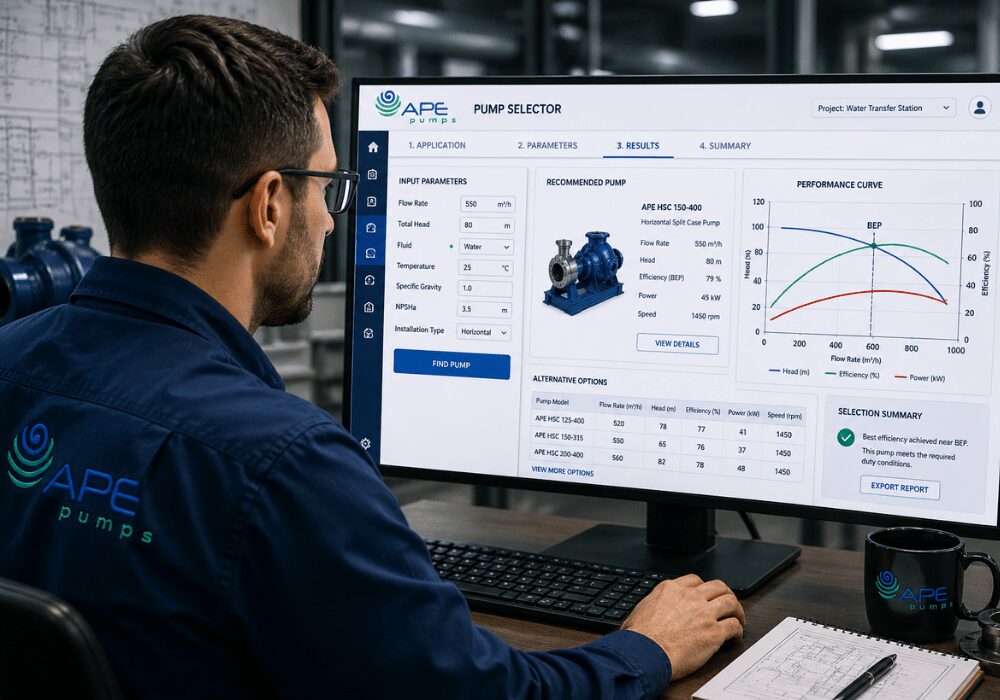
APE Pumps is simplifying the pump selection process through an AI-powered tool that streamlines data analysis and improves accuracy, while still relying on experienced engineers to interpret results and ensure the pump performs optimally
APE’s pump selector can help bridge this gap by guiding users through better questions, providing clear technical explanations, and automating complex calculations—but it cannot replace the need for human understanding.
“Our skilled engineers validate outputs, challenge questionable results, and make informed decisions – turning AI into an amplifier of good engineering judgment rather than a substitute for it,” says Zurfluh.
Accurate data
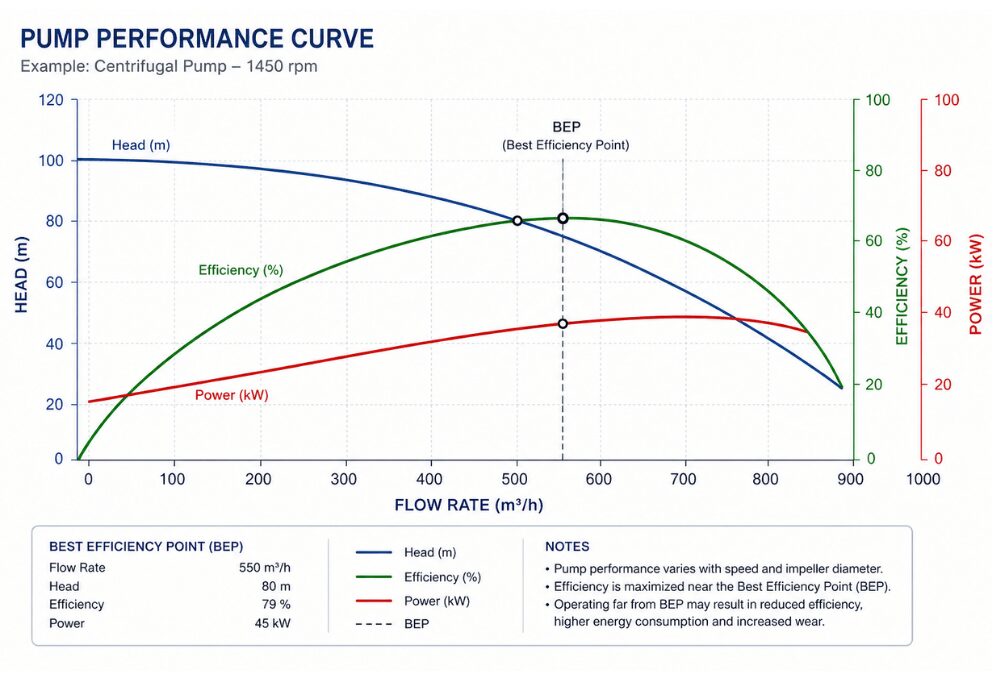
The tool automatically converts graphs into structured pump data and extracts key details like model and speed—turning a manual process into fast, usable digital insights

Energy efficiency plays a central role in pump selection. Given that pumping systems are often one of the largest energy users in water, wastewater and industrial applications, even small inefficiencies can translate into significant operational costs over time. Furthermore, with the drive to improve sustainability by reducing carbon emissions, pump selection is becoming increasingly focused on energy efficiency to ensure systems operate optimally while minimising power consumption.
APE Pumps works closely with consultants to fully understand the system in which the pump will operate. Pump performance is directly influenced by system conditions such as pipe layout, friction losses, elevation and system requirements. Without this context, there is a risk of selecting a pump that is either oversized, undersized or mismatched to the application. Customers are first asked what type of pump they require, with APE Pumps supplying a range that includes multi-stage, split case, vertical turbine, centrifugal and submersible pumps. The next step is to establish the nature of the fluid being pumped. “From there, we assess the flow and head requirements. In some instances, we find that the system is gravity fed and does not require a pump at all. Flow determines the pump size and informs the pressure needed to overcome system conditions, after which consultants calculate system resistances, taking into account both friction losses and static head,” explains Zurfluh.Digitising pump test data
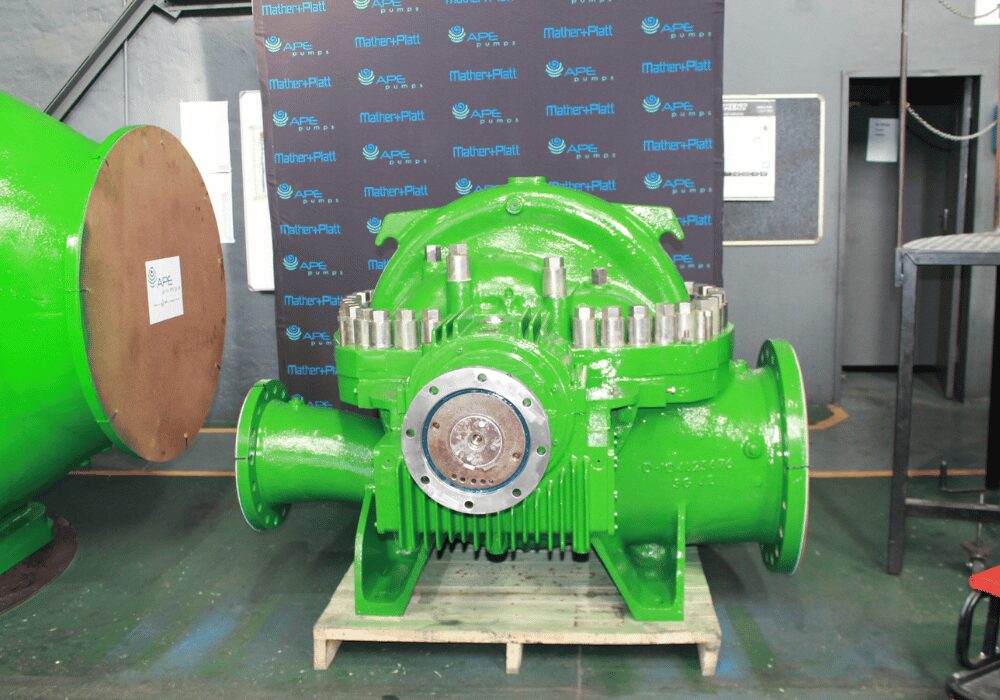
Energy efficiency plays a central role in pump selection
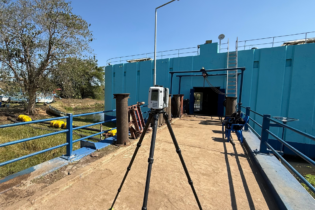
“The end goal is to bring the tool to market, enabling both customers and end users to interact with it directly,” says Zurfluh.He states that with machine learning, the AI tool will continuously improve its accuracy and usefulness over time. “We plan on the tool being interactive, where it can be asked questions like ‘Can I increase my head by 10%, and what changes would be required to achieve this?’ The objective is to help customers optimise the performance of their existing pumps. In many cases, they prefer to avoid the cost of replacement and extensive plant modifications,and instead adapt current equipment to meet upgraded plant conditions or changing system requirements.” The AI pump selector does not simply produce a single recommendation; it is designed to present multiple suitable options side by side. Based on the defined duty point and operating conditions, the system proposes a range of pumps and highlights the differences in performance, efficiency and cost through a built-in comparison platform. This allows users to better understand the trade-offs between various configurations rather than relying on a single output. Users are given a description of the suggested pumps, curves and datasheets as well as explanations on why the selected pumps are chosen. “Going forward, we plan for the tool to include material options and motor selections, enabling customers to evaluate upfront capital costs against expected lifespan, maintenance requirements and energy consumption. By making these variables more visible, the platform supports more transparent, data-driven decision-making. At the same time, it provides a technical rationale for each option, helping both engineers and non-specialist users understand why a particular configuration is recommended,” says Zurfluh. As a 74-year old company, APE Pumps has some long standing paper-driven and manual processes. “These legacy approaches work, but they create bottlenecks: people have to re-enter data, interpret handwritten or printed reports, and rely on individual expertise locked up in documents or in someone’s head. That slows response times to customers, increases the risk of errors, and makes it hard to get a holistic, data-driven view of what’s happening across the business. We are working hard to removed these bottlenecks,” states Zurfluh. Over the past decade APE Pumps has actively embraced digital transformation as a core component of its growth strategy, investing in advanced technologies to modernise its engineering, manufacturing and service delivery functions. This includes the integration of digital tools such as 3D scanning, real-time enterprise resource planning systems and data-driven workflows to improve accuracy, efficiency and transparency across projects. “In today’s business environment, it is no longer optional to consider artificial intelligence; companies need to actively explore and implement AI where it adds value to remain competitive and improve efficiency,” concludes Zurfluh.