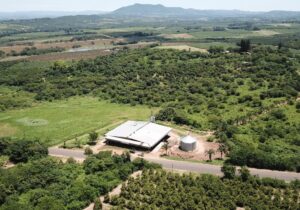

Rotocarb transforms macadamia nut shells into activated carbon for water treatment, supporting local manufacturing, water security and sustainability.

Richard Oldnall, business development manager at Rotocarb
Biomass fuels
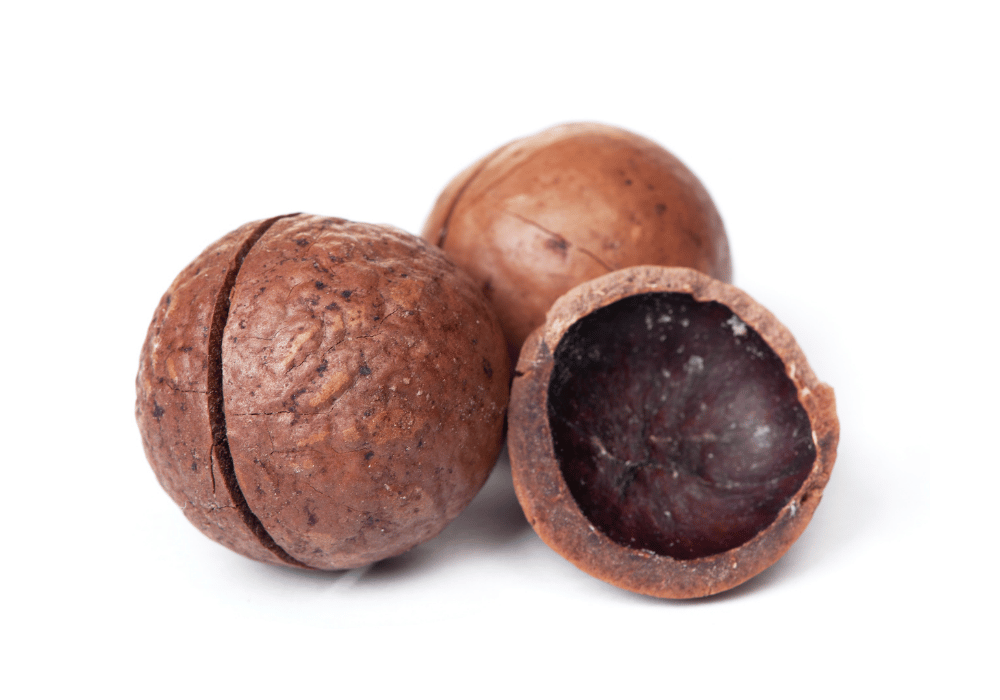
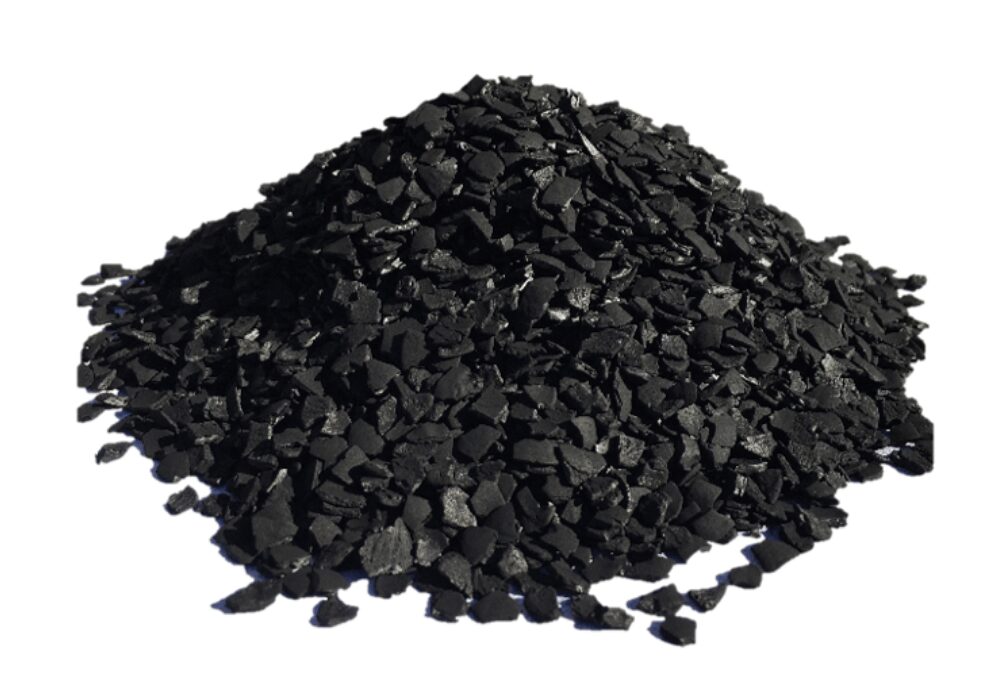 South Africa, the world’s largest producer of macadamia nuts, generates significant volumes of shells every year. However, ongoing electricity supply constraints, rising electricity prices and carbon tax have accelerated the demand for biomass fuels, transforming this agricultural residue into a valuable resource.
Carbon tax and corporate decarbonisation targets have encouraged energy-intensive industries to replace a portion of their Eskom-supplied electricity or on-site coal consumption with biomass fuels. As a result, macadamia nut shells are increasingly being used as a renewable fuel for boilers and industrial heating systems.
While Oldnall acknowledges the motivation behind these initiatives, he believes greater environmental value can be created by converting the shells into high quality filtration media.
“We support the move towards lower-carbon energy sources, but sustainability is about maximising environmental value. Burning macadamia shells provides a tiny reduction in coal consumption, whereas converting those same shells into activated carbon creates a high-value filtration media essential for safe drinking water, cleaner air and numerous industrial purification processes. Ironically, it is a material that enables many of the sustainability outcomes the world is striving to achieve.”
Low-grade thermal coals typically have calorific values between 23 to 27 MJ/kg, while macadamia nut shells are typically around 17 MJ/kg. As a result, many companies are effectively paying 20 to 30% more for a fuel that delivers approximately 30% less energy. While this may support decarbonisation objectives, it is difficult to justify on economic grounds.
South Africa, the world’s largest producer of macadamia nuts, generates significant volumes of shells every year. However, ongoing electricity supply constraints, rising electricity prices and carbon tax have accelerated the demand for biomass fuels, transforming this agricultural residue into a valuable resource.
Carbon tax and corporate decarbonisation targets have encouraged energy-intensive industries to replace a portion of their Eskom-supplied electricity or on-site coal consumption with biomass fuels. As a result, macadamia nut shells are increasingly being used as a renewable fuel for boilers and industrial heating systems.
While Oldnall acknowledges the motivation behind these initiatives, he believes greater environmental value can be created by converting the shells into high quality filtration media.
“We support the move towards lower-carbon energy sources, but sustainability is about maximising environmental value. Burning macadamia shells provides a tiny reduction in coal consumption, whereas converting those same shells into activated carbon creates a high-value filtration media essential for safe drinking water, cleaner air and numerous industrial purification processes. Ironically, it is a material that enables many of the sustainability outcomes the world is striving to achieve.”
Low-grade thermal coals typically have calorific values between 23 to 27 MJ/kg, while macadamia nut shells are typically around 17 MJ/kg. As a result, many companies are effectively paying 20 to 30% more for a fuel that delivers approximately 30% less energy. While this may support decarbonisation objectives, it is difficult to justify on economic grounds.
“That is why we are developing alternative biomass solutions that can meet industry’s renewable energy needs while allowing macadamia shells to be used where they deliver the greatest environmental and societal benefit,” adds Oldnall.Fortunately, Rotocarb enjoys long-standing relationships and long-term supply agreements with most of the country’s macadamia nut processors and does not believe the long-term use of macadamia nut shells as a biomass fuel will be a sustainable solution.
Sustainability extends well beyond the raw material itself

Unlike many international manufacturers, where carbonisation and activation occur at separate facilities, Rotocarb combines both processes into a single integrated operation. The company has been manufacturing activated carbon sustainably for over a decade.
“Our biggest differentiator is that we carry out both the charring and activation processes in the same facility through what we call an autogenous process,” explains Oldnall. “We utilise the energy generated during the first stage to drive the second stage. Once the process is operating, all thermal energy required is generated internally, allowing us to compete effectively with international suppliers.” This significantly reduces reliance on grid electricity, lowers overall emissions, and results in an exceptionally efficient and environmentally friendly activated carbon production process. “Our Eskom input is limited to running a few motors,” he says. “All of the thermal energy required for the process is generated internally, making our manufacturing exceptionally energy efficient.” Furthermore, Rotocarb thermally oxidises the volatile organic compounds generated during production, resulting in exceptionally low process emissions.The company’s sustainability strategy extends further through 120 kW of solar generation at its Midrand facility, electric forklifts and rainwater harvesting. According to Oldnall, these measures have resulted in an exceptionally low environmental footprint compared with many conventional activated carbon manufacturing processes. “If you visit some of the larger activated carbon production facilities overseas, you’ll often find carbonisation and activation occurring at separate sites, requiring additional transport between facilities and resulting in higher overall emissions. Those emissions are compounded by the maritime shipping and inland transport required to deliver imported activated carbon to South African customers. The activated carbon produced overseas is by no means a green or greener product. By comparison, producing activated carbon locally using an integrated, low-emission process results in a substantially lower environmental footprint.” Rotocarb is also expanding its capabilities to include the reactivation of spent activated carbon, further extending the useful life of the material and reducing the need for virgin carbon in appropriate applications.
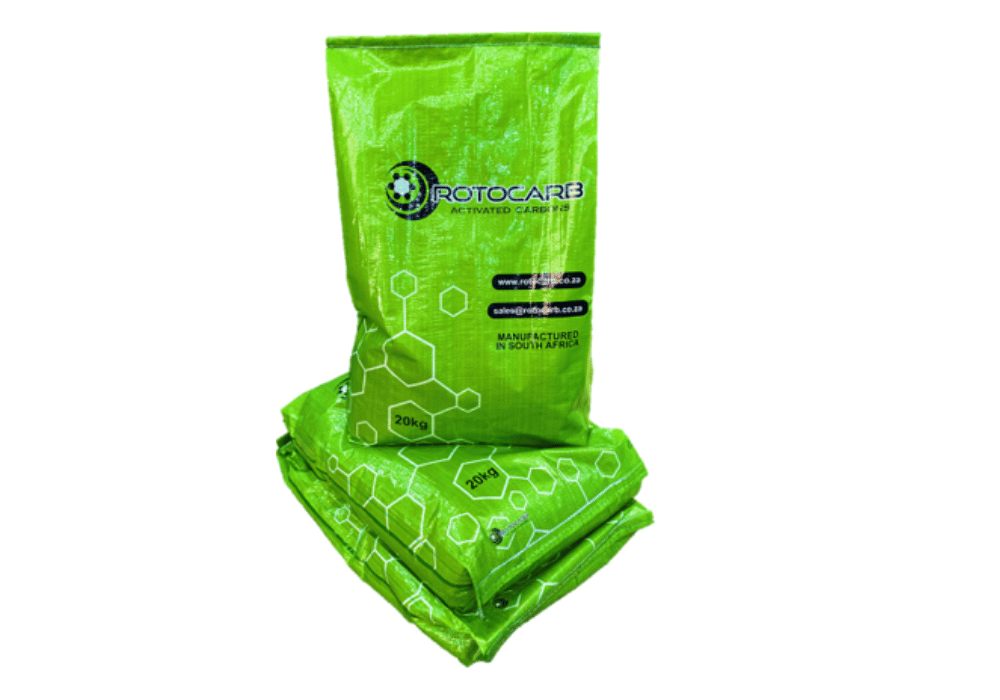 For Rotocarb, sustainability is also about building resilient local supply chains.
When the company was established in 2016, South Africa relied almost entirely on imported activated carbon, exposing industry to fluctuating exchange rates, shipping delays and supply chain disruptions. Today, Rotocarb supplies more than 300 customers with locally manufactured activated carbon, providing greater supply security while supporting local beneficiation.
For Rotocarb, sustainability is also about building resilient local supply chains.
When the company was established in 2016, South Africa relied almost entirely on imported activated carbon, exposing industry to fluctuating exchange rates, shipping delays and supply chain disruptions. Today, Rotocarb supplies more than 300 customers with locally manufactured activated carbon, providing greater supply security while supporting local beneficiation.
“Our customers know they can access a quality product without waiting months for imports, and we can customise products to meet specific application requirements,” says Oldnall. “Local manufacturing gives the water sector greater resilience while creating value from a South African agricultural resource.”