
Water is emerging as a critical climate and business risk. Discover why water stewardship is vital to resilience, investment and sustainability.
For years, climate discourse has been dominated by carbon emissions and global warming, while deprioritising risks related to water that are increasingly threatening business continuity, social stability and ecological resilience.
Today, the idea of ‘water as the new carbon’ is gaining traction, but the comparison is imperfect, according to Fiona Sutton, principal scientist in water management at SRK Consulting (South Africa). While carbon is relatively simple to quantify and standardise, water is profoundly context-specific.“This is one of the factors enabling the global focus on carbon – allowing broad application of net-zero targets, emissions reporting and carbon markets which has shaped corporate sustainability agendas worldwide.”By contrast, the significance of water depends on where it is used. The same volume of water has very different implications in a water-abundant catchment than in a water-stressed one.

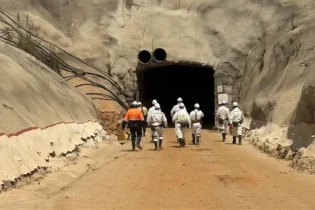
Democratic Republic of Congo, where abundant water resources exist, but poor quality and limited access undermine their utility, stewardship is not just about quantity, but about quality, equity and human rights.
“Water represents a direct and immediate risk; businesses can survive high emissions in the short term, but they cannot operate without water,” she adds.Importantly, water and carbon are not separate challenges; rather, they are deeply interconnected, she explains. Healthy water systems such as wetlands, forests and aquifers play a crucial role in carbon sequestration and climate regulation. Conversely, degraded water systems undermine these natural carbon sinks.

“By protecting water, you protect the ecological processes that trap and store carbon,” she says. “Water stewardship, in this sense, is climate stewardship.”
Investors weigh in
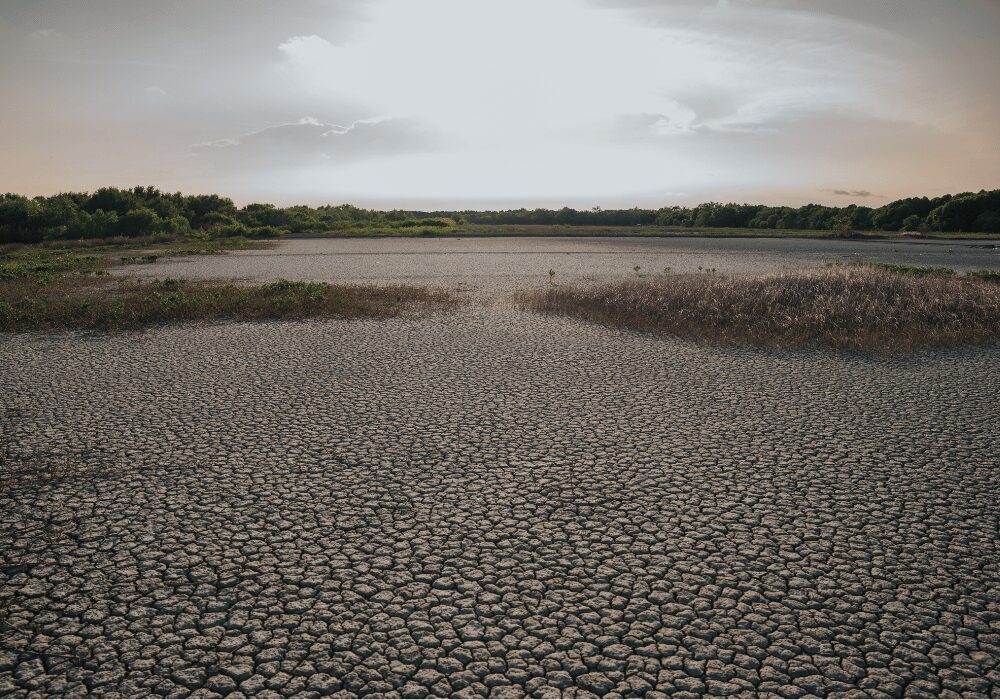
Water has long been deprioritised in the climate change conversation despite its effects being most immediate
“Frameworks such as the Alliance for Water Stewardship (AWS) standard provide a structured pathway for this transition,” she continues. “They encourage organisations to assess both site-specific and catchment-level risks, engage with stakeholders and implement measurable actions.”By recognising the strategic value of water stewardship, and applying frameworks like the AWS, companies can move beyond compliance to view their water-related expenditure as a long-term strategic investment rather than only an operating cost.