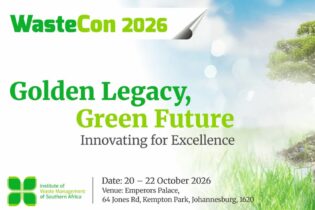
WasteCon 2026 brings together industry leaders to explore innovation, technology and circular solutions shaping South Africa’s sustainable waste sector.
The Infrastructure News team was on the ground at WasteCon 2026, organised by the Institute of Waste Management of Southern Africa (IWMSA). Under the theme ‘Golden Legacy, Green Future: Innovating for Excellence’, the conference brought together industry leaders, innovators and waste management professionals to explore the future of the sector. We caught up with exhibitors and delegates to discover the innovations they are showcasing, the ideas inspiring them and how they are helping to shape a more sustainable, circular future.
Hercules Smit, brand manager, Reclite
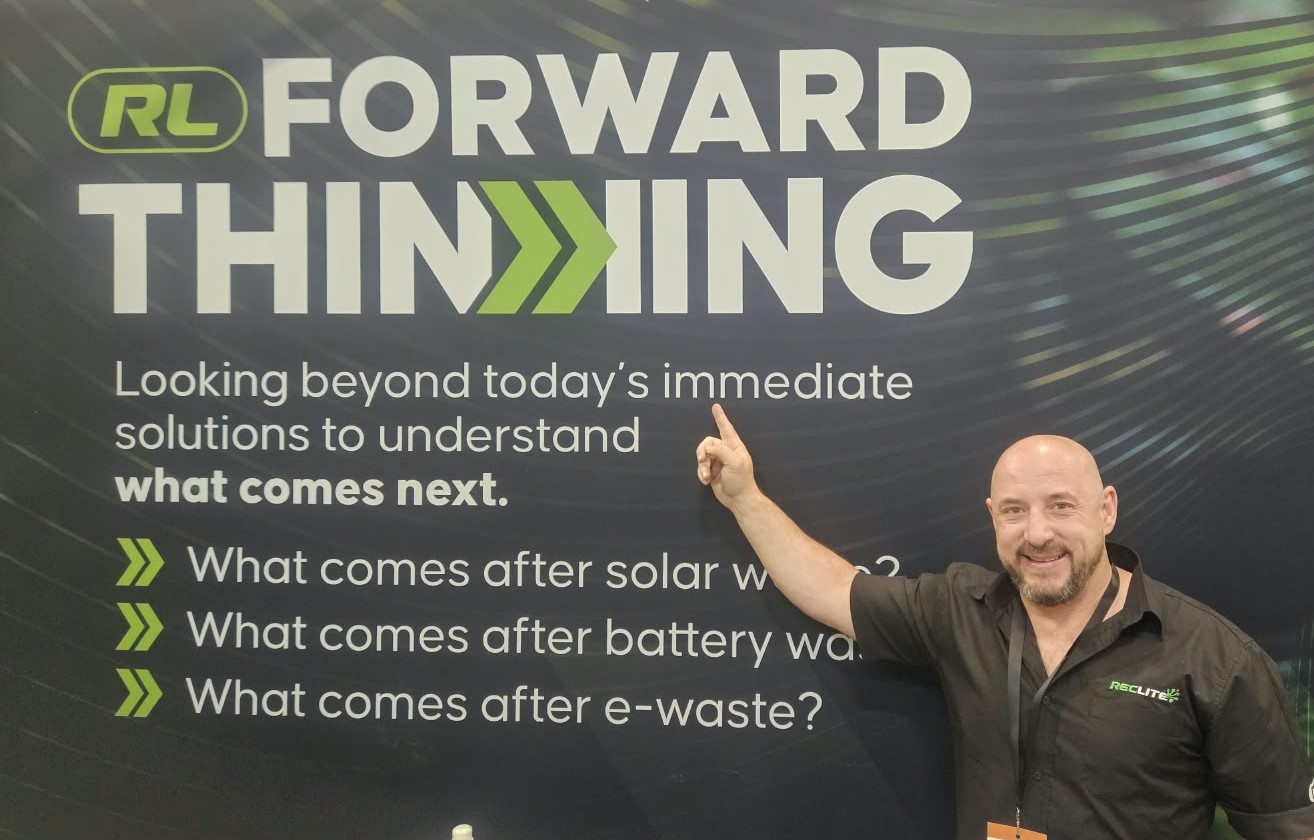
Hercules Smit, brand manager, Reclite
“Innovation means solving today’s challenges while looking ahead to what comes next. At Reclite, we have launched Vision 2030 where we’re working to anticipate the risks created by change and find responsible, circular solutions for the future. The products we use are changing, and so are the materials we must recover and the risks we must manage. We need to identify these changes early and prepare appropriate collection, handling and processing solutions before the waste arrives.”
Dumisani Khumalo, marketing and communications manager, Fibre Circle
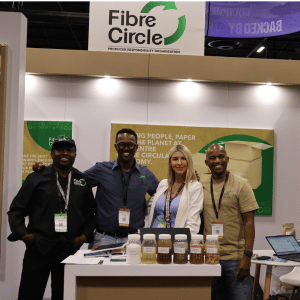
Dumisani Khumalo, marketing and communications manager, Fibre Circle
“Innovation is key to unlocking the value of materials that are difficult to collect and recycle. At Fibre Circle, we are data-led and grounded in research, constantly exploring new ways to divert waste from landfill. From transforming cement bags into ceiling insulation to turning label backing paper into toilet paper, innovation is helping us find value in materials that would otherwise be discarded.”
Natanya Conway, senior waste management consultant, and Theresa Machado, sales manager, Averda
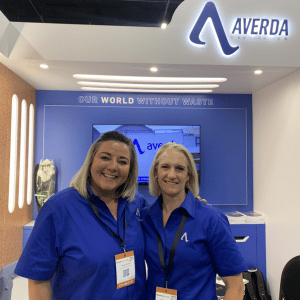
(left) Natanya Conway, senior waste management consultant, and Theresa Machado, sales manager, Averda
“Innovation is about finding new ways to recover value from waste. At Averda, we have recently commissioned a plastics recycling plant in Rosslyn, where high-density plastics are washed, processed and converted into pellets for reuse. It is a practical example of how we can divert waste from landfill and turn discarded materials into valuable resources.”
Luke Osborne, co-founder, Trackio
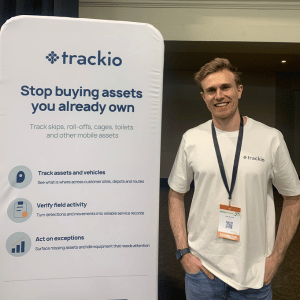
Luke Osborne, co-founder, Trackio
“There is no room for revenue leakage in today’s waste management industry. Yet many operators still rely on pen and paper, outdated systems and manual data collection, leaving valuable services unrecorded and assets underutilised. Innovation is about getting the basics right through technology. By automating service records and tracking assets in real time, waste companies can protect their revenue, improve efficiency and make better use of the equipment they already own, rather than investing unnecessarily in new assets.”
Donald Paterson, business development manager, Ulrich Brummer, operations manager, Julian Yeats, legal and fundraising, Waste4Change
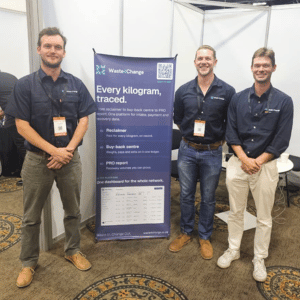
(left) Donald Paterson, business development manager, Ulrich Brummer, operations manager, Julian Yeats, legal and fundraising
“Innovation is essential if we are to build a more efficient and sustainable waste sector. We need to learn from the past, but also use those lessons to rethink how we operate in the future. Emerging technologies, particularly artificial intelligence, present exciting opportunities to improve the accuracy, efficiency and effectiveness of our waste management systems. The future of waste management depends on our willingness to embrace new technologies and new ways of thinking.”
Lucille Charles, chief innovations officer, eWASA
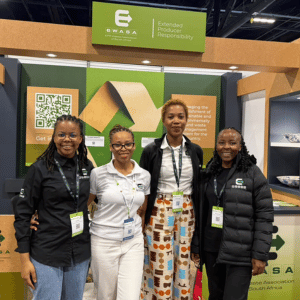
Lucille Charles, chief innovations officer, eWASA
“We have reached a turning point in waste management. The practices of the past will no longer be enough to build the future we want. Innovation demands creativity, collaboration and a willingness to reimagine how we manage waste and recover value from it. At eWASA, we are embracing this shift towards a circular economy, exploring how digitalisation and artificial intelligence can transform reverse logistics, reduce costs and remove barriers for SMMEs. The future of waste management is not simply about managing waste better, but about fundamentally rethinking what is possible.”
Avinash Ramsaywok, national process operations manager, EnviroServ
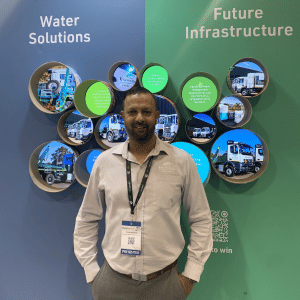
Avinash Ramsaywok, national process operations manager, EnviroServ
“Innovation is no longer a choice for the waste industry; it is a necessity. For decades, landfill has been the preferred option, but the shift towards a circular economy demands that we fundamentally rethink how we manage waste. With growing regulatory pressures, climate change considerations and the opportunities presented by circularity, we cannot afford to continue operating as we always have. Innovation is what will drive the transition from simply disposing of waste to recovering its value and building a more sustainable, circular economy.”
Michele Faurie, recycling facility and office manager, African Eagle Waste
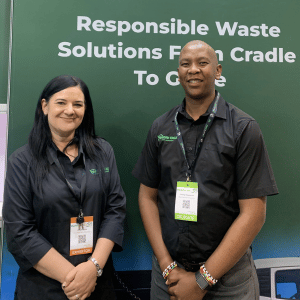
Michele Faurie, recycling facility and office manager, African Eagle Waste
“Technology is continuously evolving, and innovation is essential if we are to reduce waste to landfill and move towards a more sustainable future. We need to understand our clients’ requirements and explore how emerging technologies can help divert both hazardous and general waste from landfill. As the waste sector continues to grow and evolve, embracing new technologies will be key to improving waste recovery and achieving our sustainability goals.”
Dr Mark Williams-Wynn, Chief Technological Officer, EWaste Africa
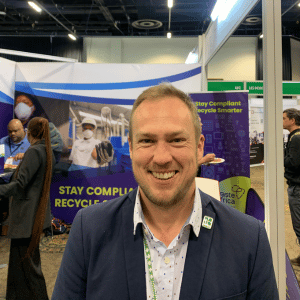
Dr Mark Williams-Wynn, Chief Technological Officer, EWaste Africa
“Without innovation, we cannot effectively manage new and emerging waste streams or improve how we deal with existing ones. Innovation is essential to reducing the environmental impact of waste while also lowering the cost of waste management, which remains a major barrier. By embracing new approaches and technologies, we can unlock opportunities to make waste management more efficient, affordable and sustainable.”
Ronell David, compliance officer, Circular Energy
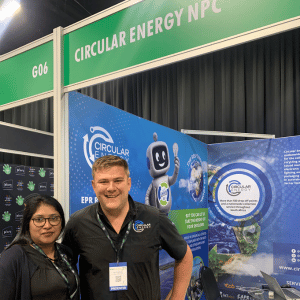
Ronell David, compliance officer, Circular Energy
“Our natural resources are finite, but the opportunities for innovation are not. We cannot continue consuming resources at the current rate and expect a sustainable future. Innovation challenges us to rethink how we use materials, find new ways to maximise their value and reduce our environmental impact. We need to move beyond doing things the way we always have and find smarter, more sustainable solutions that protect our resources for future generations.”
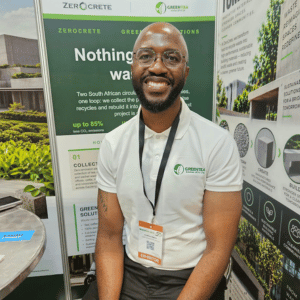
Kondwani Ngwira, managing director, Green Tea Solutions
“Waste management is not a destination, but a continuous journey. As populations grow, consumption rises and natural resources become increasingly scarce, innovation is essential. We must rethink waste as a valuable resource, finding smarter ways to recover, recycle, reuse and repurpose materials while ensuring hazardous waste is managed safely. Through new technologies, improved processes and continuous innovation, we can reduce our reliance on landfills, accelerate the transition to a circular economy and turn today’s waste challenges into tomorrow’s opportunities. At the heart of this journey is a simple principle: Continuous improvement. Every waste stream presents an opportunity to find a safer, smarter and more sustainable solution. By embracing innovation across the entire waste-management value chain, we can transform waste from an environmental challenge into a resource and ensure a cleaner, healthier and more resilient planet for generations to come.”