
After five years of mandatory Extended Producer Responsibility (EPR) in South Africa, there is considerable pressure to move away from a compliance only mindset towards measurable environmental progress.
One of the ways that EPR aims to achieve this measurable progress is for producers to conduct lifecycle assessments (LCAs) on the products they place on the market, taking more responsibility for how the products are produced as well as disposed of. According to the Council of Scientific Research (CSIR), which developed the guidelines for LCAs, conducting an LCA is not a data developing exercise, but a procedure rooted in revaluating design processes and material choices in order to shift linear products towards the circular economy. A LCA is a structured methodology used to evaluate the environmental impacts of a process, service, or product from the extraction of raw materials through manufacturing, converting, distribution, use and end-of-life, including recycling or disposal. Often referred to as a “cradle-to-grave” assessment, an LCA can be used to identify where the highest environmental impacts occur and thereby highlight opportunities for improvement. For producers, LCAs provide evidence-based insights that support better decision making. Rather than relying on assumptions, businesses can quantify impacts such as carbon emissions, water consumption, energy use, climate change, and resource efficiency, among others. This can assist manufacturers in designing packaging that is not only more sustainable, but also more competitive in an increasingly environmentally conscious marketplace.Which producers are required to conduct an LCA?

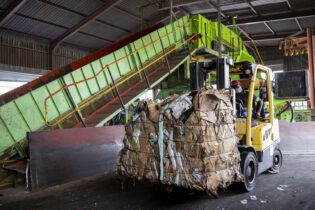
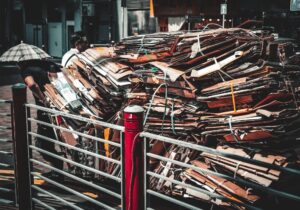
Paper has been used of thousands of years and even as it diminishes in use alongside the digital revolution, it is still necessary to plan for its end of life
- Minimisation of material used in the identified product.
- Designing the product to facilitate reuse, recycling, or recovery without compromising its primary functionality.
- Reducing the environmental toxicity of the resulting post-consumer waste stream.

Crucially, because an LCA is a complex scientific undertaking that can take months to complete, waiting until the eve of the regulatory deadline to engage is risky.
Beyond regulatory compliance, LCAs are valuable business tools that help manufacturers design products with sustainability in mind. By identifying environmental “hotspots”, producers can evaluate alternative raw materials, reduce unnecessary packaging, improve recyclability, increase recycled content, and optimise manufacturing processes. These improvements often result in lower production costs, greater resource efficiency, and reduced environmental impacts. As consumer expectations and international sustainability standards continue to evolve, LCAs can provide businesses with valuable information to inform sustainability related decisions. When considered alongside economic and social factors as part of a broader decision-making process, these considerations can help businesses remain competitive while contributing to South Africa’s transition to a circular economy. As the leading Producer Responsibility Organisation (PRO) for the paper and paper packaging sector, Fibre Circle is helping its members prepare for the growing importance of LCAs. Rather than expecting each producer to independently develop all the technical expertise and resources required to conduct LCAs, Fibre Circle is taking a collaborative approach by providing guidance, facilitating industry collaboration, promoting consistent methodologies, and improving access to environmental data
The paper and packaging industry is driven by the South African Repulpability and Recyclability Standard, which complements LCA work by encouraging packaging designs that are more recyclable