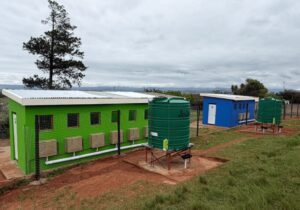
Breadline Africa and Envirosan transform sanitation at Trustfeed Primary School with 49 facilities, water-saving toilets and improved hygiene infrastructure.
Breadline Africa and Envirosan join forces to restore safety, dignity and hygiene for more than 1,100 learners in KwaZulu-Natal.
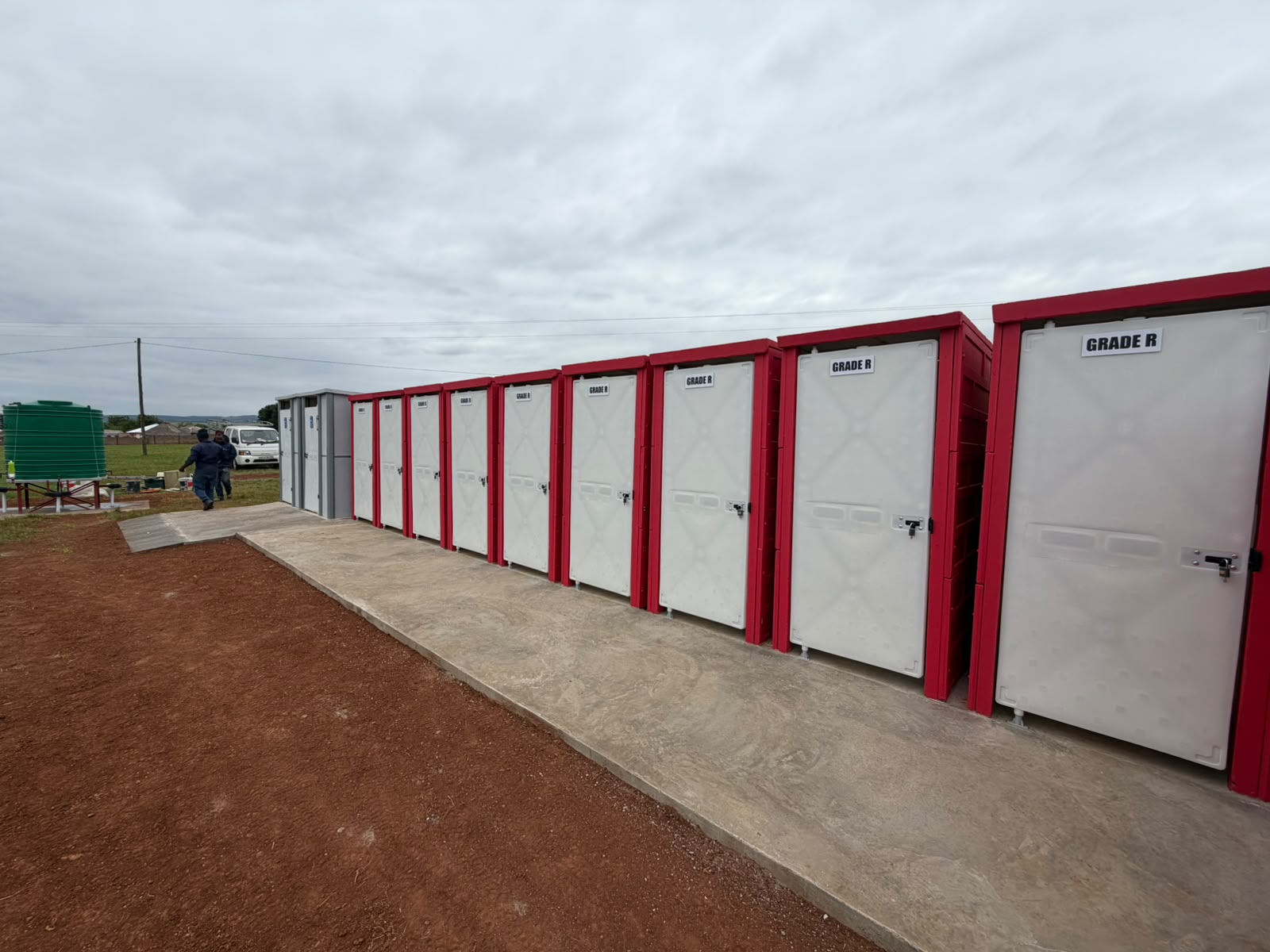
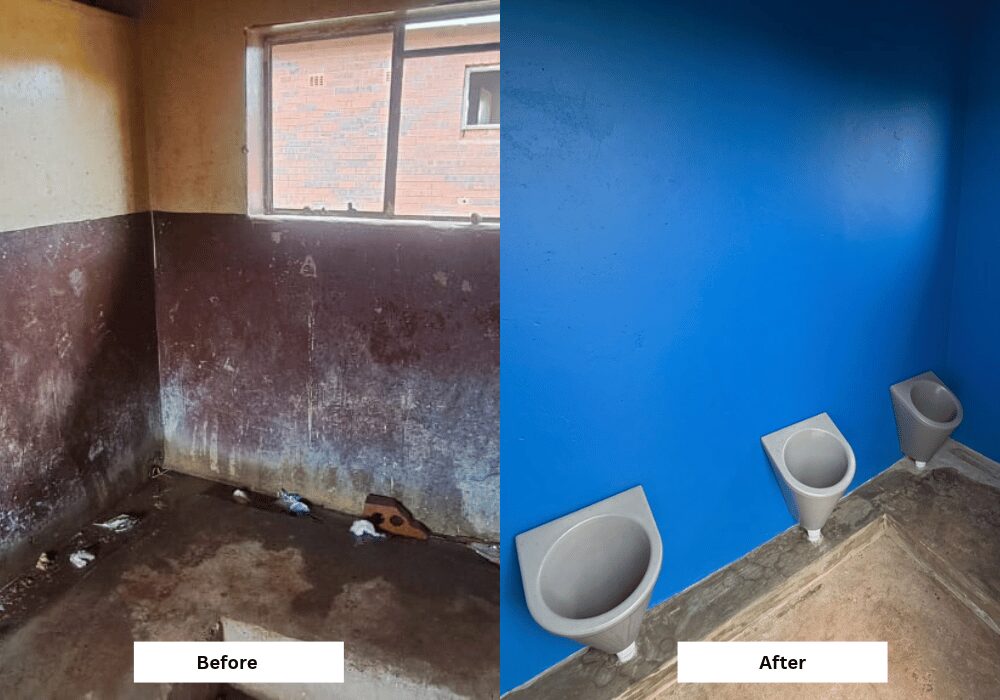
When Trustfeed Primary School, near Wartburg in KwaZulu-Natal’s uMgungundlovu District, approached Breadline Africa for assistance in March 2025, its appeal highlighted a frightening reality facing many South African schoolchildren.“There are holes at the back of the toilets, and the learners may fall into the pits. The seats are tilting backwards and they are unsafe,” the school explained in its application.For the school’s 1 124 learners, including 124 Grade R children, and 33 teachers, the deteriorating pit toilets presented a daily safety risk. The school urgently needed facilities that would protect its learners, improve hygiene and reduce long queues. On 19 November 2026, World Toilet Day, that appeal is culminating in the official handover of new and upgraded sanitation facilities, delivered through a partnership between Breadline Africa and sanitation specialists Envirosan. The comprehensive project includes 36 water-saving, low-flush toilets and 13 waterless urinals, providing a total of 49 sanitation facilities in line with applicable Department of Basic Education (DBE) school sanitation norms and standards. The project also includes six new handwashing stations, each equipped with three self-closing taps and soap dispensers, providing 18 handwashing points to encourage better hygiene.
A combination of refurbishment and new infrastructure
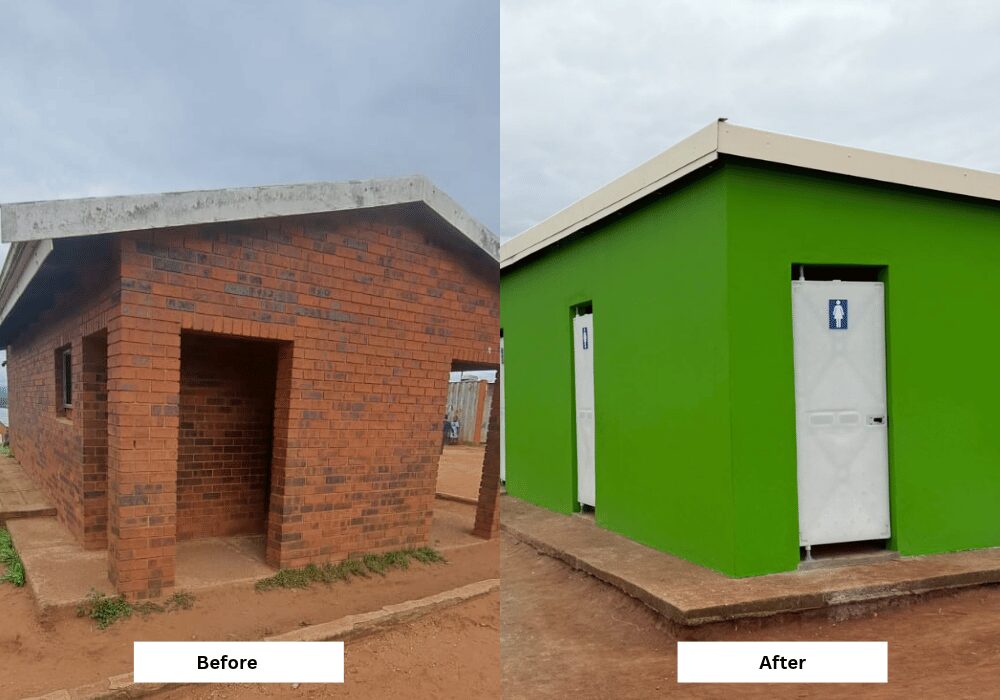 An important feature of the Trustfeed Primary School project was the combination of refurbishment and new infrastructure. Rather than adopting a one-size-fits-all approach that requires the demolition and reconstruction of all existing facilities, Envirosan assessed the school’s existing infrastructure to determine which structures could safely be retained and upgraded.
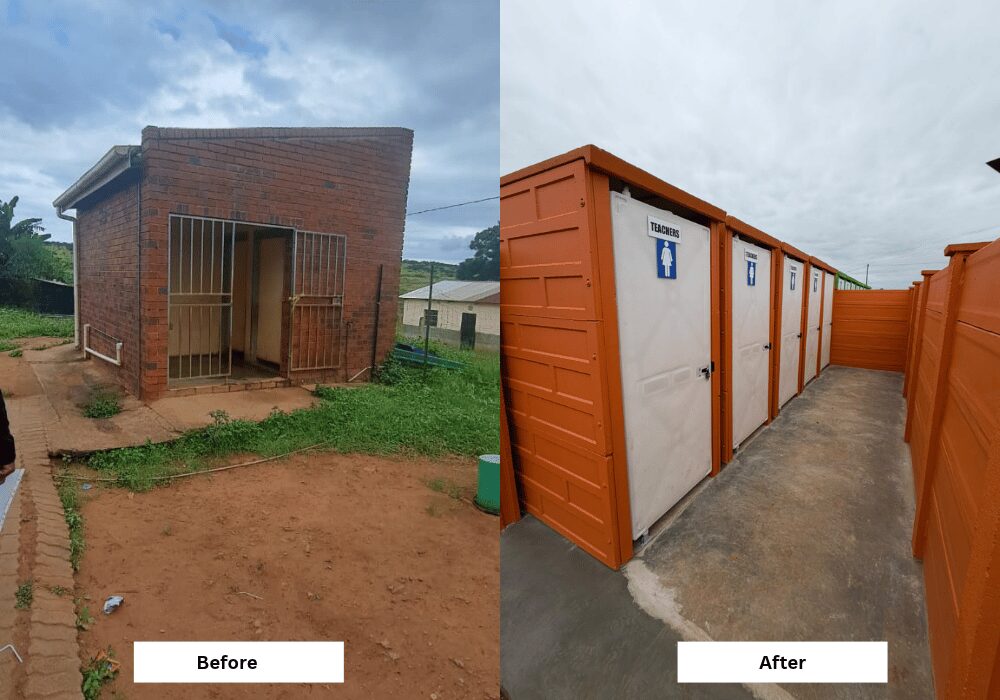
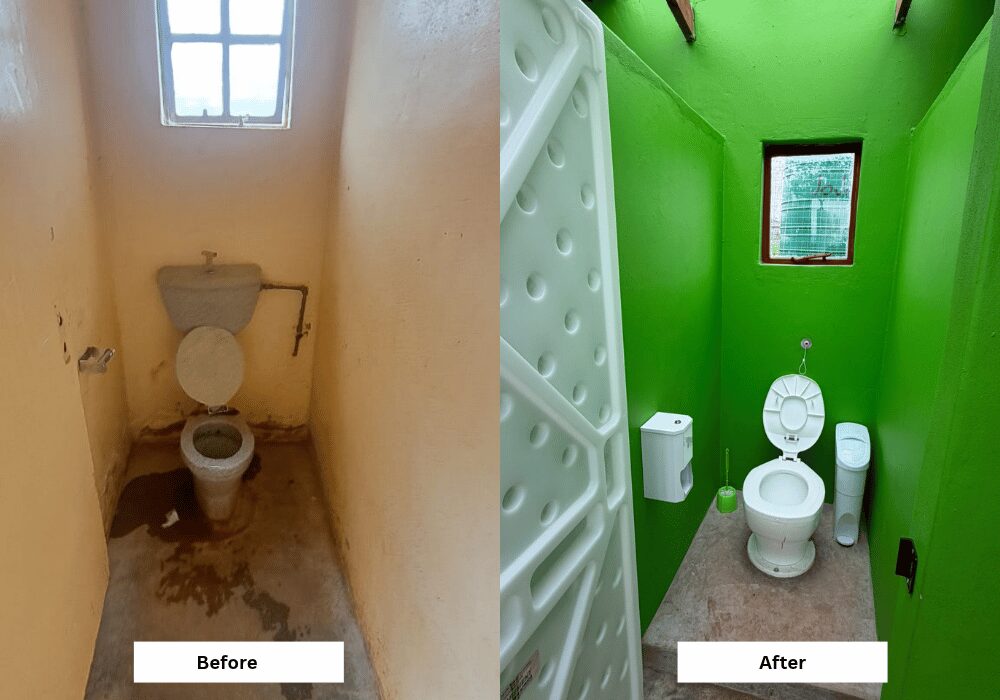
Where existing pit latrine structures were found to be structurally sound and suitable for conversion, these were refurbished and upgraded to accommodate the new low-flush EaziFlush® sanitation system. Where existing infrastructure was unsuitable or beyond refurbishment, new Agrément-approved precast toilet structures were supplied and installed.
This flexible approach allows schools to maximise the value of their existing infrastructure while still achieving improved sanitation standards, safety and functionality.
By retaining and upgrading suitable structures instead of unnecessarily rebuilding them, projects can reduce construction costs, minimise material requirements and make available funding go further.
This is particularly valuable for donor-funded sanitation projects, where budgets are often tightly controlled and cost efficiency is critical. By combining new infrastructure with the rehabilitation of suitable existing facilities, more resources can potentially be directed towards improving sanitation access and delivering sustainable outcomes for schools and their learners.
Water-efficient sanitation technology
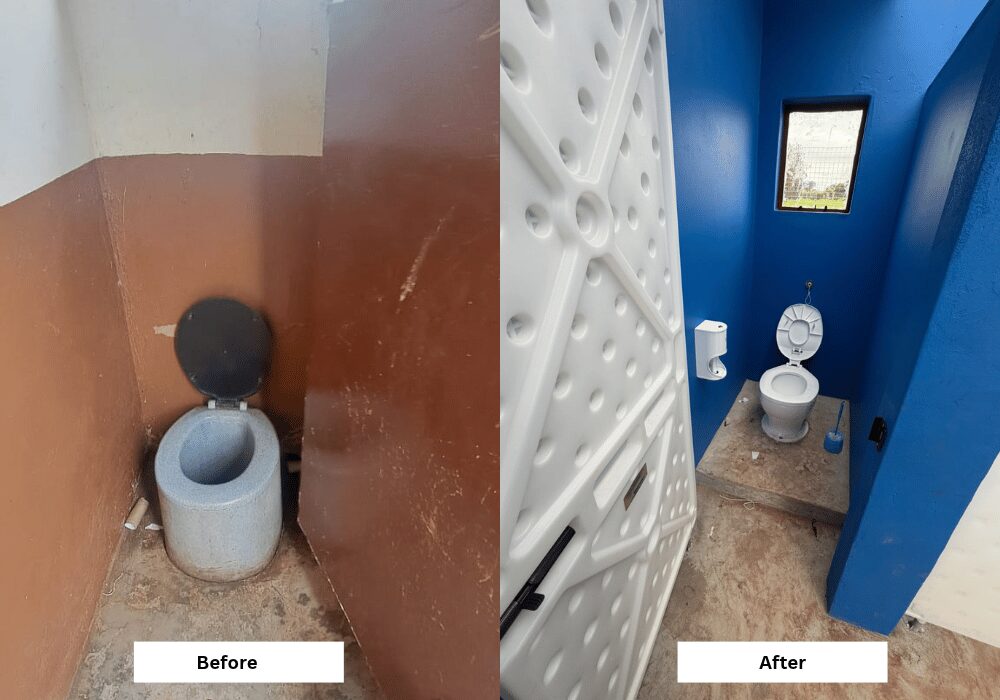 At the heart of the project is Envirosan’s Agrément-approved EaziFlush® toilet, a water-efficient sanitation solution designed to significantly reduce water consumption without compromising functionality. The EaziFlush® operates on a low-volume flush of approximately 1 – 2 litres per flush, offering a substantial reduction in water demand compared with conventional toilet systems.
Each of the 36 toilets is coupled with an individual 60-litre flush-on-demand water storage tank, which serves a dual purpose: acting as the toilet’s cistern while also providing an independent water backup for each facility. Collectively, these tanks provide 2,160 litres of decentralised backup water storage capacity, helping maintain toilet functionality during interruptions to the school’s main water supply.
The handwashing facilities incorporate Envirosan’s EaziTap self-closing taps, fitted to the water storage tanks. Designed to control water consumption, the taps dispense approximately 80–100 ml of water per handwashing cycle, helping learners practise good hand hygiene while minimising water wastage.

Recognising that access to soap is just as important as access to water, the handwashing stations are also equipped with Envirosan’s XOPI hard-bar soap dispensers. These dispensers accommodate readily available hard-bar soap purchased from local retailers, reducing the school’s reliance on liquid soap, which can be expensive and difficult to source consistently.
This provides a practical and sustainable way of ensuring learners have access to soap whenever they wash their hands, an essential component of effective hand hygiene.Safety and durability built into the design
 Learner safety has been a central consideration in the design and construction of the new sanitation facilities.
The new precast structures are fitted with Agrément-approved high-density polymer doors, offering a durable alternative to conventional steel and wooden doors.
Unlike steel doors, which can corrode and have scrap value, or wooden doors, which can deteriorate over time, the polymer doors are designed to withstand demanding school environments.
Importantly, the doors have smooth surfaces and no sharp edges, reducing the risk of cuts and injuries to young children. They are also fitted with a dual-operation nylon safety latch. This mechanism ensures that, even when a toilet is locked from the outside, the occupant can always operate the latch from inside and exit independently. This important child-safety feature prevents learners from accidentally becoming locked inside toilet cubicles.
The infrastructure also includes accessible toilet facilities, water backup reservoirs and purpose-designed septic and wastewater management systems. Importantly, dangerous pit openings have been permanently sealed, with unsafe structures demolished or made safe.
Long-term sustainability and local employment
 But the partnership extends well beyond construction.
To help ensure the long-term sustainability of the facilities, the project also provides for a five-year operations and maintenance programme, including regular inspections and septic tank maintenance, alongside a 12-month janitorial programme.
A janitor selected from the local construction workforce will receive protective equipment, cleaning supplies and support to maintain the facilities. This creates a local employment opportunity while helping protect the investment and ensure that the infrastructure remains functional, clean and safe for learners.
By combining Breadline Africa’s commitment to improving educational infrastructure with Envirosan’s technical expertise in sustainable sanitation, the partnership demonstrates how collaboration can deliver practical, lasting solutions to South Africa’s school sanitation challenges.
The Trustfeed project also demonstrates that sustainable school sanitation requires more than simply providing toilets. It involves selecting appropriate technologies, making responsible use of existing infrastructure, conserving water, providing accessible handwashing facilities and ensuring that appropriate maintenance systems are in place for years to come.
For Trustfeed Primary School, the transformation means far more than new toilets. It means safer facilities for young children, greater dignity and privacy for learners, improved hygiene, responsible water use and peace of mind for teachers and parents.
This World Toilet Day, Trustfeed Primary School stands as a powerful reminder that every child deserves access to safe, dignified sanitation – and that meaningful partnerships can turn that right into reality.