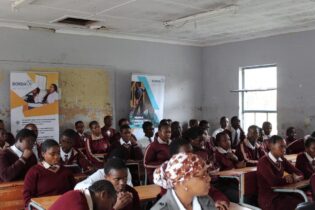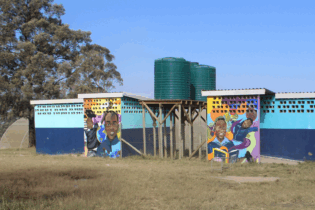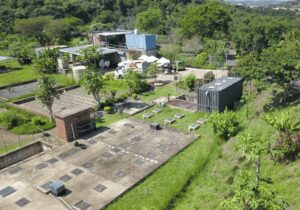

BORDA South Africa’s Alvin Anderson explains how water-efficient sanitation solutions can support housing developments, schools and facilities beyond informal settlements.

Alvin Anderson, country director, Borda South Africa
“WESS is an approach, not a technology,” he explained, adding that DEWATS should similarly be understood as an approach that can incorporate different treatment technologies depending on the characteristics of the wastewater being treated.This distinction is important because decentralised sanitation does not rely on a single treatment configuration. Systems can be adapted to different wastewater streams, site conditions and service delivery requirements.
Sanitation must be integrated into housing development
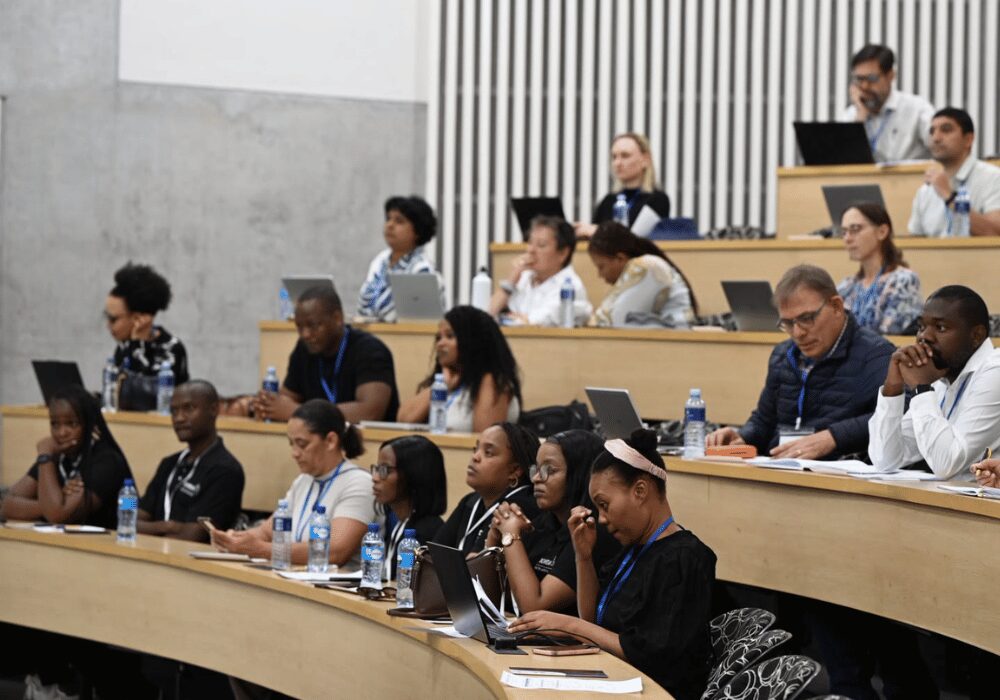 One of the challenges identified during the seminar was the lack of integration between sanitation planning and human settlements development.
Anderson highlighted discussions with representatives from the human settlements sector, where there is growing recognition that housing delivery cannot be measured simply by the number of houses constructed.
“Historically, the emphasis has often been on providing houses without giving sufficient consideration to the infrastructure and services required by the people occupying them. This thinking is beginning to change, with greater attention being directed towards the types of services provided to communities moving into new housing developments.”This creates an opportunity for decentralised sanitation solutions to be considered much earlier in the planning and development process, rather than being introduced retrospectively when conventional infrastructure proves inadequate. However, achieving this requires closer cooperation between government departments, municipalities, housing authorities and sanitation specialists. Anderson stressed that human settlements stakeholders need to be included in discussions about alternative sanitation technologies, particularly because many may not be sufficiently familiar with the solutions already available.
“Some stakeholders are actively looking for solutions to their infrastructure challenges but remain unaware of the alternatives that could be considered.”
Turning wastewater into a resource
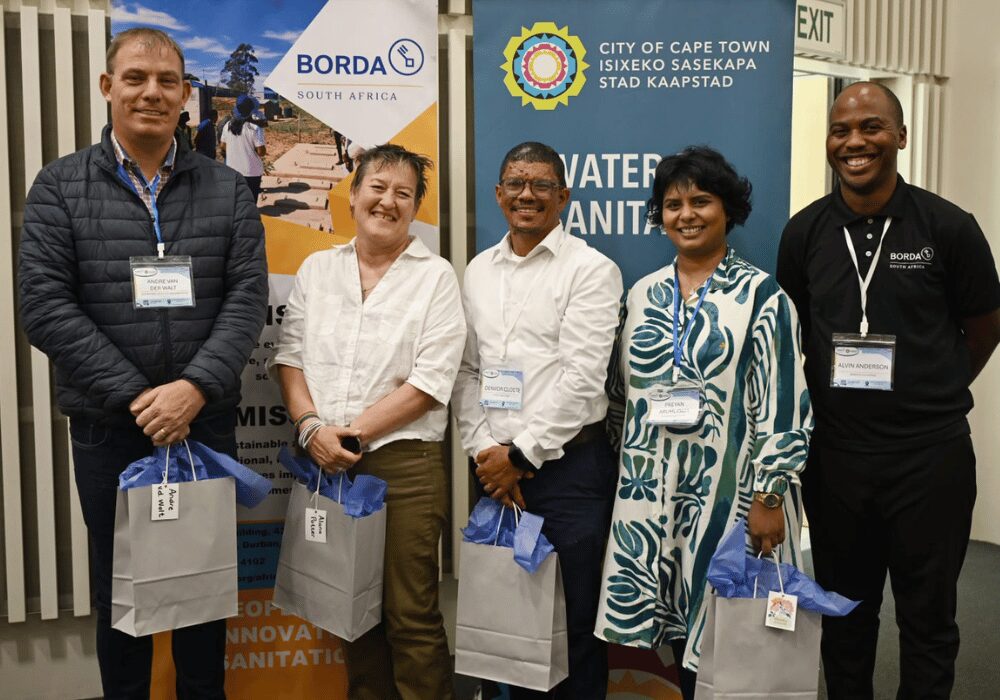 Beyond sanitation service delivery, there is a potential for decentralised systems to contribute to resource recovery and energy generation.
Responding to a question about methane produced at sanitation facilities, Anderson drew on experiences from projects elsewhere in Africa, particularly Zambia and Lesotho, where biogas digesters are being used to generate energy. He described an example involving a biogas digester installed at a market, where organic waste streams were combined to improve gas production.
The resulting biogas was then used by local food vendors for cooking.
Similar applications have been explored at schools, demonstrating how sanitation and organic waste management can contribute to local energy needs.
“Producing sufficient biogas remains a challenge, particularly when systems rely exclusively on human waste. Experience in South Africa has shown that human waste alone may not produce enough gas to make certain applications viable. Combining human waste with animal waste and other organic materials can improve biogas yields and potentially make resource recovery more practical,” cautioned Anderson.His comments highlight the importance of considering sanitation within the broader circular economy, where waste streams can become valuable resources rather than simply requiring treatment and disposal.