
Johannesburg introduces Level 2 water restrictions from 21 November 2026, with higher water tariffs from 1 December as the City aims to cut demand by 200 million litres daily.
The City of Johannesburg (CoJ) has announced that the city will implement level 2 water restrictions from the 21st of November 2026.
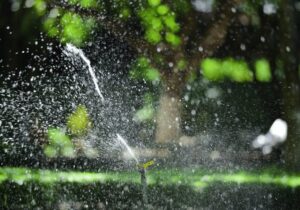
According to the CoJ, the reason for this measure is to “reduce water demand, restore reservoir levels and improve the reliability of water supply across the city.” Johannesburg Water has identified the need to reduce consumption by 200 million litres per day to support a more stable and sustainable water supply. Under Level 2 restrictions, the use of municipal drinking water for irrigating gardens, lawns, parks and public spaces is prohibited at all times. This replaces the limited watering hours permitted under Level 1 restrictions. Hosing down hard surfaces, including driveways, paved areas and sidewalks, as well as dampening building sand with municipal drinking water, is also prohibited. Johannesburg Water, the municipal entity responsible for water provision in the CoJ municipality, says that demand must be reduced by 200 million litres per day to support a more stable water supply. The city was previously under level 1 restrictions, but the increased demand necessitated the move to level 2.Level 2 restrictions
 The restrictions are mandatory and apply to residential, commercial, institutional, and municipal users across the city. Breaking these restrictions can be met with municipal by-law enforcement, fines, higher charges for excess water use, supply throttling or disconnection, and possible prosecution.

The restrictions are as follows:
- The use of municipal drinking water for irrigating gardens, lawns, parks and public spaces is prohibited at all times.
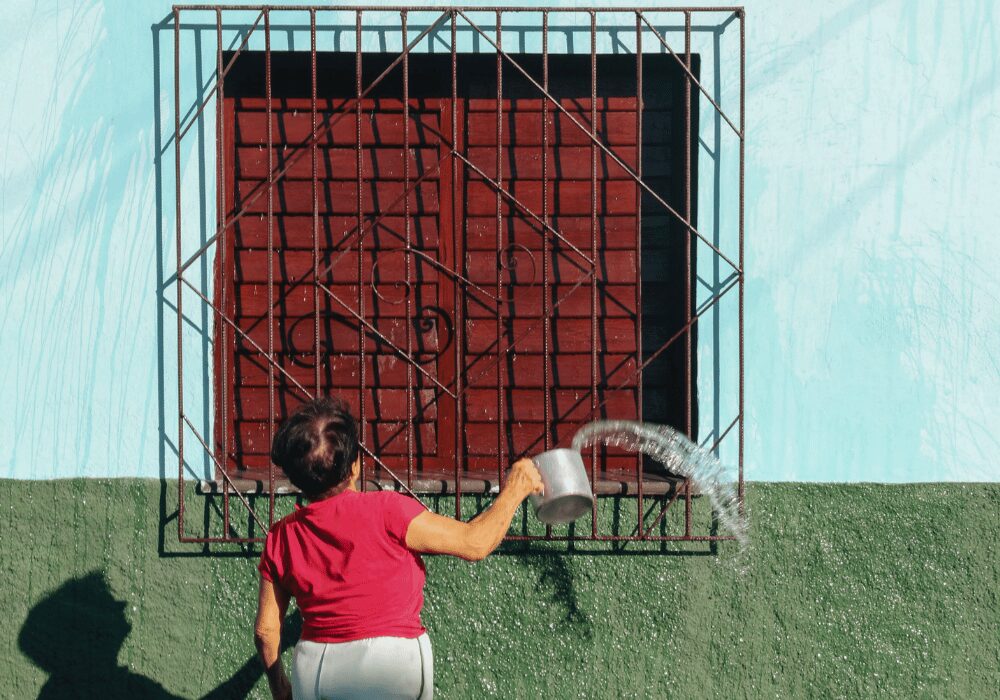
- Hosing down hard surfaces, including driveways, paved areas and sidewalks, as well as dampening building sand with municipal drinking water, is also prohibited.
Tariffs
The approved 2026/27 Level 2 restriction tariffs will take effect on 1 December 2026, separate from the commencement of the water use restrictions.| For conventionally metered dwelling units and multi-dwelling units, the Level 2 tariff schedule is as follows: Monthly consumption band | Level 2 tariff per kilolitre |
| 0–6 kℓ | R7,80 |
| Above 6–10 kℓ | R37,48 |
| Above 10–15 kℓ | R41,51 |
| Above 15–20 kℓ | R59,82 |
| Above 20–30 kℓ | R83,57 |
| Above 30–40 kℓ | R90,60 |
| Above 40–50 kℓ | R128,72 |
| Above 50 kℓ | R165,41 |