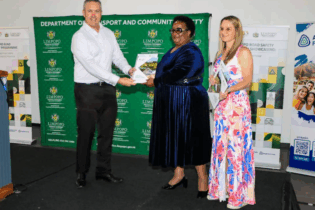
Limpopo has taken a major step toward safer roads, as the Office of the Premier and the Department of Transport and Community Safety officially assumed full custodianship of the Limpopo Road Safety Programme (LRSP). The Custodianship 2026 event,...
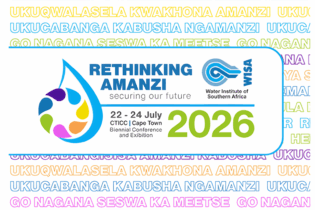
In response to the high number of extension requests, the Technical Committee would like to advise that the closing date for abstract submissions has been formally extended to accommodate the additional interest. Please note that further extensions...
His Excellency, the President of the Republic of Zambia, Mr. Hakainde Hichilema, officiated at the groundbreaking ceremony of the Western Corridor Transformation Project, marking the official commencement of a landmark development initiative...
South Africa’s raw water pricing strategy marks a bold step toward balancing financial sustainability with social equity. By aligning cost recovery with the right to water, the Department of Water and Sanitation (DWS) aims to build a transparent...
The hum of solar-powered machines fills the air at H+A’s manufacturing hub. Outside, 15% of the property has been deliberately set aside for trees and gardens, creating green pockets alive with birdsong and shade. Inside, Chris Hewitt, founding...
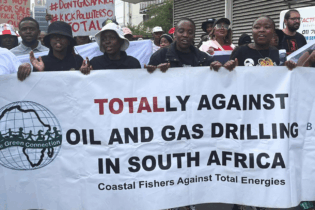
As South Africa hosted the G20 Summit this last weekend, 22nd – 23rd November 2025 – amidst COP30 negotiations in Belem, Brazil – African civil society is urging global leaders to commit to a rapid shift to a fossil-free future with renewable...
President Cyril Ramaphosa has called the G20 Johannesburg Leaders’ Declaration a significant confirmation of the value of multilateralism and the necessity of dialogue. G20 leaders yesterday adopted a declaration on the climate crisis and other...
Earth observation (EO) data, such as satellite images, has the potential to help both people and the planet. But the data is often overwhelming and messy, making it hard to take advantage of information that could support better policy decisions...
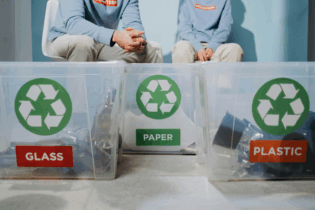
Recycling operations are context-based, with no ‘one-size-fits-all’ approach. For recycling to be effective, it must be adapted to circumstances. “We have no control over what the client wants us to get rid of, we have to deal with whatever is...
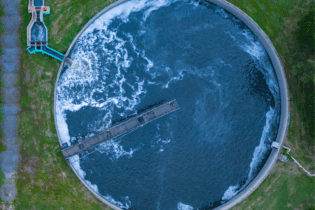
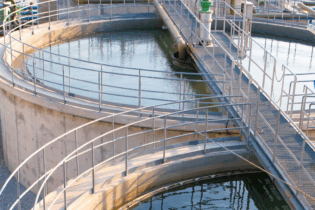
Water is essential for all life and plays a critical role across various industries and their processes. In Southern Africa’s water and wastewater sector, effective disinfection is key to ensuring drinking water is safe for communities and treated...