For South Africa to emerge from its current water crisis, the Johannesburg Water operations manager for water demand management, Jimmy Callander, says “the focus must be on water demand management (WDM).”
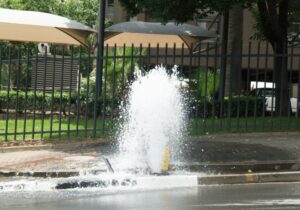
One of the biggest concerns for South Africa, and Johannesburg in particular, is non-revenue water (NRW). This is water that is purchased from a bulk supplier, but is lost through municipal systems, either through leaks, vandalism, or illegal water connections. “WDM inefficiencies occur when water supplied into the system does not translate into revenue or productive use,” adds Callander. This creates a damaging financial cycle:“Loss leads to reduced revenue, which limits maintenance, resulting in further losses. As income declines, the municipality’s ability to fund essential maintenance and renew ageing infrastructure, already below global best practice benchmarks, becomes increasingly constrained.”
Socio-economic barriers and the ‘culture of non-payment’
Callander notes, “The challenge is not purely technical; it is deeply rooted in socio-economic conditions.” Johannesburg faces complex issues regarding billing and revenue collection, particularly in marginalised communities where the inability to pay is a dominant factor.”
However, he also identifies systemic behavioural challenges: “While inability to pay is often the dominant factor, there is also a culture of non-payment and sporadic misuse of metering that harms service provision and municipal finances.” This resistance to systems like prepayment and metering often stems from a “complex mix of affordability challenges, mistrust of billing systems, and illegal connections”.
Water insecurity directly threatens national gross domestic product, affecting industrial productivity, manufacturing plants, and investor confidence. For the average resident, the instability necessitates “additional costs such as water storage tanks, boreholes, and bottled water purchases,” burdens that disproportionately affect lower-income households.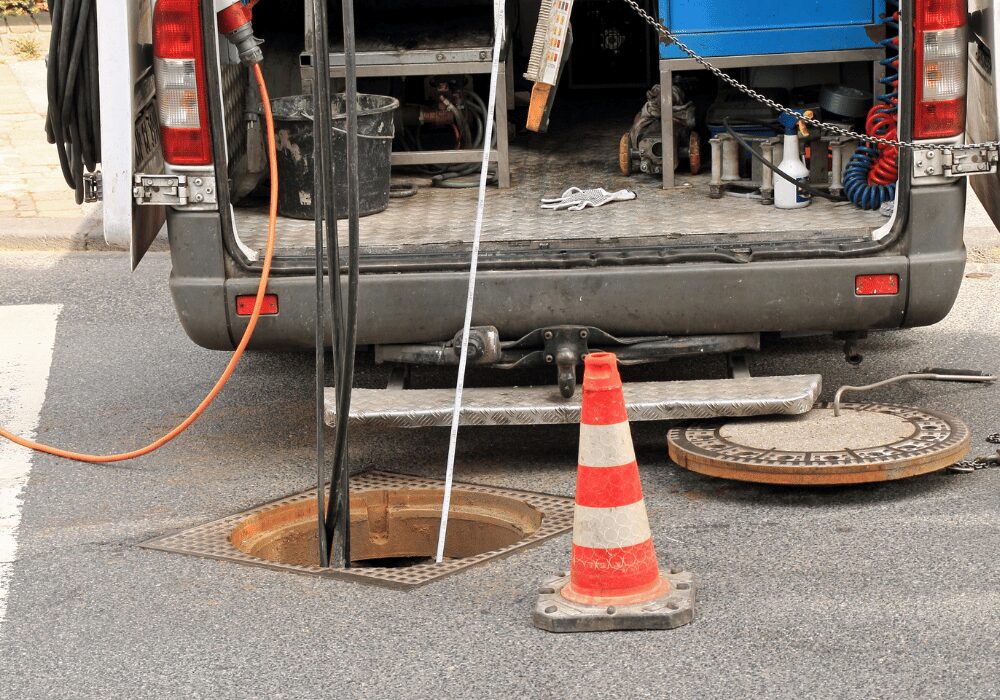
The path forward
Despite the “billions of rand in infrastructure backlogs,” Johannesburg Water has outlined several strategic responses:- Leak detection and infrastructure rehabilitation: targeting physical losses through pressure management zones.
- Smart metering: aiming to improve billing accuracy and consumption monitoring.
- Infrastructure investment: focusing on reservoir upgrades and pipeline replacements.