Expert insights from Simon Norton of the International Zinc Association on how zinc-rich coatings protect steel infrastructure in South Africa’s coastal, mining, energy and transport sectors, extending asset life and reducing maintenance costs.
In the relentless battle against corrosion, South Africa’s infrastructure faces some of the harshest environmental conditions on the African continent. From salt-laden Atlantic winds along the West Coast and the humid Indian Ocean air near Durban, to the corrosive depths of gold, coal and PGM mines, steel structures remain under constant threat.
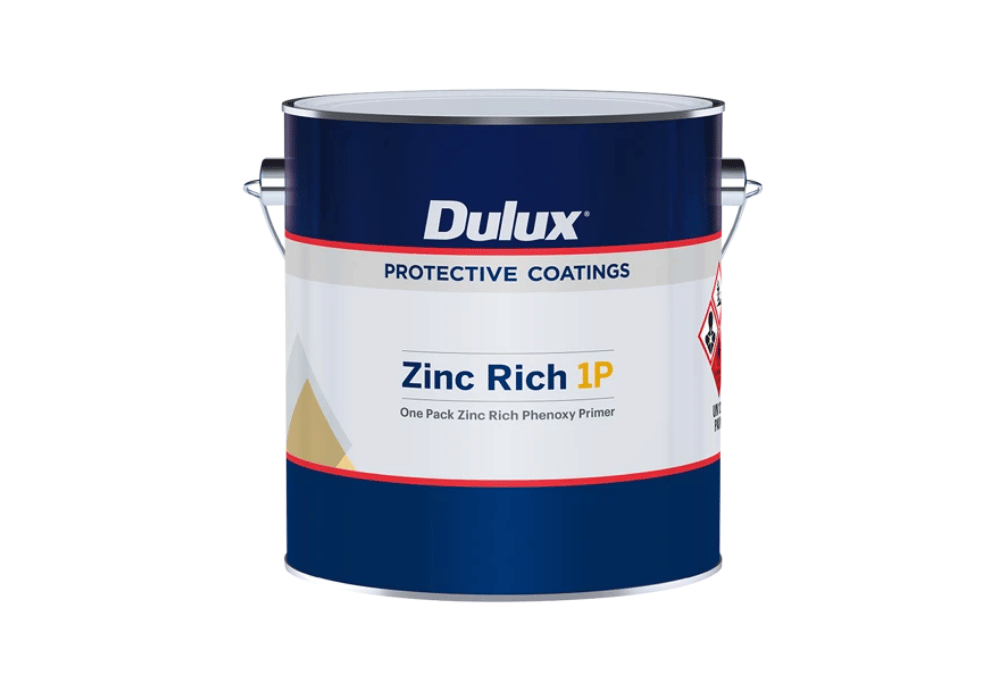
Zinc-rich paints have emerged as a critical line of defence. Often incorrectly referred to as ‘cold galvanizing’, these high-performance coatings are far more than conventional paint. They are engineered electrochemical systems designed to protect steel in some of the most aggressive environments, providing both a physical barrier and active sacrificial protection. Zinc-rich coatings typically contain between 65% and 95% metallic zinc in the dry film. Unlike standard industrial paints that merely shield steel from the elements, zinc-rich coatings are electrically conductive and interact directly with the steel substrate. In effect, they create a protective system that works with the steel, not just on top of it. There are two primary categories. Inorganic zinc-rich coatings, which use silicate binders, chemically bond to steel and offer exceptional durability and heat resistance, often up to 400°C. These are typically applied in fabrication workshops. Organic zinc-rich coatings, using epoxy or polyurethane binders, are easier to apply on-site and are highly compatible with a range of topcoats, making them ideal for field maintenance and rehabilitation projectsDual-action defence mechanism

Simon Norton, Director of the International Zinc Association (IZA) Africa

The marine and coastal sector presents some of the most aggressive corrosion classifications under ISO 9223, often rated C5-X. With ongoing port expansions in Durban, Ngqura, and Cape Town, zinc-rich coatings are essential for protecting ship hulls above the waterline, port cranes, and offshore infrastructure exposed to sea spray and chloride-laden air.
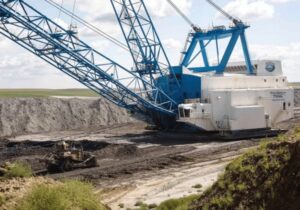
In mining and heavy industry, deep-level operations in Gauteng, North West, and Limpopo expose steel to acidic mine water and abrasive conditions. Inorganic zinc silicates, often paired with robust epoxy topcoats, are preferred for their durability and abrasion resistance. Organic zinc-rich systems also play a key role in extending the life of underground steel supports and industrial plant structures.Extending maintenance-free service life
 As South Africa modernises its energy grid and transport infrastructure, zinc-rich coatings are increasingly specified for powerline pylons, substations, bridges, and highway gantries. Duplex systems, combining hot-dip galvanizing with zinc-rich epoxy overcoats, can extend maintenance-free service life to 30 years or more.
Proper surface preparation remains critical. ISO 12944 and ISO 9223 standards provide guidance on environmental classification, while many specifications require a Sa 2.5 near-white blast prior to coating application. Without adequate surface preparation, the electrical contact required for effective cathodic protection is compromised.
Sustainability is also shaping the sector. There is a growing shift toward low-VOC and water-based formulations in line with evolving green building regulations. At the same time, with capital expenditure under pressure, industry is increasingly prioritising maintenance over replacement – using zinc-rich coatings to rehabilitate ageing steel structures at a fraction of the cost of full replacement.
“Zinc-rich coatings play a vital role in strengthening South Africa’s industrial resilience,” says Norton. “By combining barrier protection with sacrificial galvanic action, they ensure that the steel structures underpinning our economy, from mines and ports to power and transport infrastructure, can withstand some of the most corrosive conditions in the world,” he concludes.
As South Africa modernises its energy grid and transport infrastructure, zinc-rich coatings are increasingly specified for powerline pylons, substations, bridges, and highway gantries. Duplex systems, combining hot-dip galvanizing with zinc-rich epoxy overcoats, can extend maintenance-free service life to 30 years or more.
Proper surface preparation remains critical. ISO 12944 and ISO 9223 standards provide guidance on environmental classification, while many specifications require a Sa 2.5 near-white blast prior to coating application. Without adequate surface preparation, the electrical contact required for effective cathodic protection is compromised.
Sustainability is also shaping the sector. There is a growing shift toward low-VOC and water-based formulations in line with evolving green building regulations. At the same time, with capital expenditure under pressure, industry is increasingly prioritising maintenance over replacement – using zinc-rich coatings to rehabilitate ageing steel structures at a fraction of the cost of full replacement.
“Zinc-rich coatings play a vital role in strengthening South Africa’s industrial resilience,” says Norton. “By combining barrier protection with sacrificial galvanic action, they ensure that the steel structures underpinning our economy, from mines and ports to power and transport infrastructure, can withstand some of the most corrosive conditions in the world,” he concludes.