
Dr Jack Bloom announces criminal charges against Ekurhuleni and ERWAT over wastewater pollution affecting Rietvlei Dam and Tshwane’s water supply.
Today (8 October), I accompanied officials who laid criminal charges at Olifantsfontein Police Station against the City of Ekurhuleni and the Ekurhuleni Water Care Company (ERWAT). These charges relate to ongoing pollution from the Hartebeestfontein Wastewater Treatment Works (HWTW) and failure to comply with a directive issued under the National Water Act.
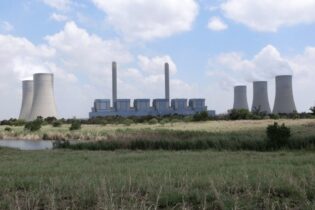
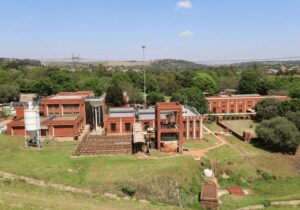
The HWTW is east of Kempton Park and has 10 pump stations collecting sewage from Kempton Park, Isando, Tembisa, Spartan, Glen Marais and Birchleigh. Ekurhuleni owns the plant and ERWAT operates it. Both are responsible for what flows out of it. The plant is not overloaded, as it was built to treat 63 million litres a day but receives about 45 million litres. Yet, between January and September this year, its treated effluent met microbiological standards only 68% of the time and chemical standards only 61% of the time. Ammonia, E. coli and various metals have been measured at high levels, as well as grease and oil.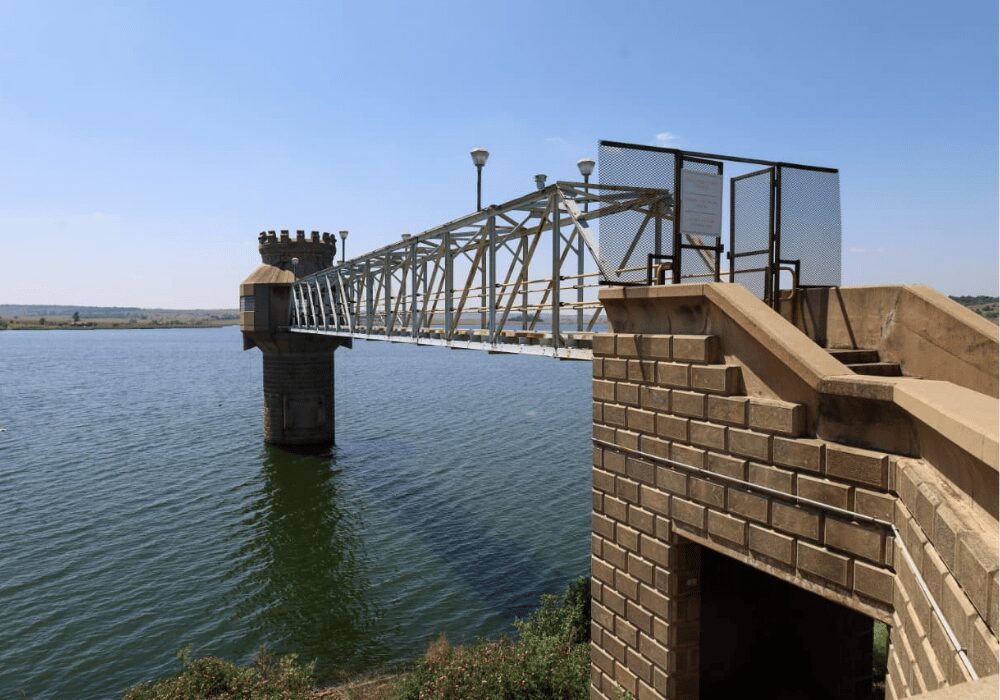 About 50 industries also discharge into the plant. Ekurhuleni must enforce its bylaws requiring them to pre-treat their wastewater before discharging it into the municipal system.
The Department issued a directive under Section 19 of the National Water Act on 6 August 2025. More than a year later, the plant is still not compliant with the 90% standard, although there is an improvement of effluent quality from 43% to 84%. Non-performing pump stations operated by Ekurhuleni are an additional source of pollution. An action plan on its own cannot clean up a river – it needs to be fully implemented. Residents have justifiably complained about the severe pollution. It has also resulted in the loss of a crucial source of drinking water for Tshwane. I also visited the Rietvlei Dam, which used to supply drinking water to parts of Tshwane, but this ceased when the Rietvlei Water Treatment Works could no longer treat the heavily polluted water. This shortfall is putting additional strain on Rand Water’s bulk supply of water to the whole of Gauteng. Rietvlei water treatment plant contributes 5% of the treated water to Tshwane. It is critically important to improve the quality of the upstream effluent so that water from Rietvlei Dam can once again be treated to drinking water standards. The City of Tshwane has assured me that an ammonia processing unit has been tested and final approval is underway – this is supposed to happen by March/April next year. The Rietvlei Water Treatment Works will then be able to provide additional water, which will help the province immensely as we face a hot summer due to El Niño.

Criminal charges are a last resort for accountability after other measures have failed. The Department and the Limpopo-Olifants Catchment Management Agency issued a directive and considered Ekurhuleni’s representations, which demonstrated improvement in the functioning of their wastewater plant, but the pollution continues. Our Environmental Inspectors will assist the police with expert evidence and will then engage with the National Prosecuting Authority, which will decide whether to prosecute.
Criminal charges have previously been laid over pollution from Tshwane’s Rooiwal, Klipgat and Baviaanspoort waste treatment works. These plants have contributed to polluting our water resources. I am encouraged that Ekurhuleni and ERWAT acknowledge their responsibility to rehabilitate the damage caused by their pollution – this is a critical part of the principle that the polluter must pay. Water does not respect municipal boundaries, so one city’s pollution becomes another city’s water crisis.
Tshwane should also be held accountable for its three failing treatment plants, as should the industries that pollute our waterways.
Issued by Dr Jack Bloom
Deputy Minister of Water and Sanitation
Water does not respect municipal boundaries, so one city’s pollution becomes another city’s water crisis.
Tshwane should also be held accountable for its three failing treatment plants, as should the industries that pollute our waterways.
Issued by Dr Jack Bloom
Deputy Minister of Water and Sanitation