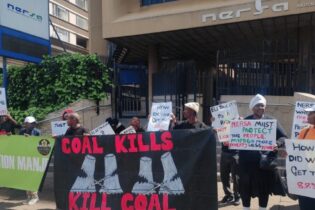

The Green Connection calls on NERSA to reject Eskom’s proposed 8.83% tariff increase, citing affordability, energy poverty and the need for greater transparency.
With public participation concluded and deliberations likely underway, The Green Connection calls on the National Energy Regulator of South Africa (NERSA) to reject Eskom’s proposed 8.83% electricity tariff increase for the 2027/28 financial year. The eco-justice organisation, working closely with grassroots coastal communities and small-scale fishers, warns that another substantial increase will place an unacceptable burden on households already struggling with the rising cost of living. The Green Connection also calls on NERSA to extend and strengthen the public participation process, arguing that a single day of public hearings is insufficient for meaningful engagement on an issue with far-reaching consequences for millions of South Africans.
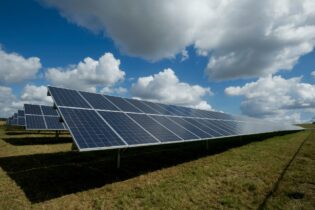
“Communities need adequate time and accessible opportunities to understand the proposal, raise concerns, and contribute to decision-making that will directly affect their lives and livelihoods,” says The Green Connection’s Advocacy Lead, Lisa Makaula.“Beyond the need for more meaningful public participation, the proposed 8.83% hike is particularly concerning because South Africans are still struggling with rising electricity costs. NERSA approved an 8.76% increase for 2026/27, followed by a further 8.83% increase for 2027/28. This revised tariff path followed a redetermination of Eskom’s revenue after regulatory errors and a court process. For many South Africans, electricity is more than a monthly expense – it is about dignity. Families are having to choose between electricity or meeting other basic needs, while unemployment and economic pressures continue to undermine household security.” The Green Connection argues that NERSA cannot consider electricity tariffs in isolation from fundamental changes across South Africa’s energy system. The development of the South African Wholesale Electricity Market, Eskom’s unbundling and wider market reforms will reshape how electricity is generated, traded, supplied and priced. The South African Wholesale Market Code will establish rules for market participation, trading, settlement and governance, making meaningful public participation more important than ever. “The question is not simply whether Eskom says it needs more money. Can consumers afford to pay more? Are the costs being recovered prudent and justified? And is the electricity system – being built with consumers’ money – delivering value for money for those same consumers? The public has a right to meaningful participation in decisions that determine the cost and future of the country’s electricity system. These decisions must also account for South Africa’s economic realities. According to Statistics South Africa, the youth unemployment rate rose by 1.5 percentage points in the second quarter of 2026, reaching 47.4%. NERSA must therefore put affordability and the public interest at the centre of its decision-making,” says Makaula. Communities have a right to understand how electricity-market reforms will affect prices and to influence decisions before they are finalised. Public participation must go beyond publishing documents and inviting written submissions. It requires accessible information, sufficient time to understand complex proposals and genuine opportunities for communities to ask questions and influence outcomes. According to The Green Connection’s Outreach Ambassador, Neville van Rooy, “NERSA and the Department of Electricity and Energy should ensure that the public is properly informed and consulted on the implications of market reforms, including the wholesale electricity market and Eskom’s unbundling, before further tariff increases are imposed. Greater transparency is also needed around the costs used to justify tariff increases. NERSA must scrutinise whether costs submitted by Eskom and other electricity suppliers are prudent, reasonable and necessary. Consumers should be able to understand the basis for proposed increases rather than bear the financial consequences without adequate regulatory oversight.” The Green Connection further calls for South Africa’s Electricity Pricing Policy to be updated annually and aligned with a regularly reviewed Integrated Energy Plan (IEP), ensuring that energy investments deliver value for money and serve people and the economy. Environmental costs must also inform decisions about the country’s energy future. South Africa’s continued reliance on fossil fuels carries significant economic, environmental and social consequences. The International Renewable Energy Agency (IRENA) has highlighted the growing competitiveness of renewables, finding that 62% of renewable capacity added globally in 2020 will cost less than the cheapest new fossil-fuel alternative. By 2021, the global weighted average cost of new utility-scale solar PV and hydropower was also below that benchmark, with onshore wind even more competitive. For The Green Connection, these findings reinforce the need to accelerate a transition towards cleaner, affordable and resilient energy. Solar and wind, supported by storage, offer opportunities to reduce exposure to volatile fossil-fuel costs, strengthen energy security and support economic development.

“NERSA’s decisions must reflect sustainable development principles and the National Environmental Management Act. These include considering social, economic and environmental impacts, taking responsibility for environmental consequences throughout the life cycle of policies and activities, and ensuring open, transparent decision-making and lawful access to information. Electricity decisions affect every South African. These decisions affect whether households can afford their bills, whether small businesses can survive, and whether young people can access economic opportunities. It also affects what kind of energy system we leave future generations. This is not simply a technical regulatory matter – it is a public-interest decision,” says van Rooy.
The Green Connection calls on NERSA to reject the proposed further 8.83% tariff increase until the implications of electricity-market reforms have been properly considered and explained to the public. Consumers must be protected, costs transparently scrutinised and tariff decisions aligned with a regularly reviewed national energy plan that delivers value for money. The organisation says that South Africans should not have to choose between electricity and other basic necessities, nor accept higher prices without a meaningful say in the energy system they pay for and depend on.Comments from Coastal Communities:
Ernest Titus, a small-scale fisher from Lamberts Bay on the West Coast says, “We are very concerned about the rising cost of electricity and fuel because it becomes harder for us to go to sea and earn a living. Fishing is what we have known and relied on for generations. At the same time, our income must cover rising electricity, food and school costs. We are facing financial pressure from all sides, and our monthly income is simply not enough to meet these growing demands. This puts households under severe stress and can push families further into poverty.” Gina Orlam from Port Nolloth says, “I want to speak about the rising cost of living and the growing pressure it places on households – not only through electricity and fuel costs, but also the struggle to feed and support families. I want to make a strong plea to decision-makers: please consider ordinary people. Costs continue to rise, but salaries and incomes are not keeping pace. What about households with no income, or young people who want to work but cannot find opportunities? Behind every rising rand and cent is a person and a family feeling the impact. People are not asking for handouts; they want opportunities to work and provide for themselves and their families. With every increase in the cost of living, we must ask ourselves: how will this affect ordinary people, and who is benefiting? Because, right now, it certainly doesn’t feel as though our communities are.” A young activist from Port Nolloth, Chanel Jaar says, “Communities are struggling with rising electricity costs. R100 buys very few units, making it difficult for pensioners dependent on SASSA grants to keep their lights on. Fishers from Port Nolloth, Hondeklipbaai and Doringbaai may spend more than R2,500 on fuel for a single trip, and low catches can leave them operating at a loss. Although the government promotes greener energy, communities have yet to see the benefits, while free basic electricity provides little relief as tariffs continue to rise. We ask how households and fishing communities are expected to survive under these pressures.” According to Moeketsi Diba from Botshabelo in the Free State, representing community organisations Green Futures and Environmental Justice Network, people across the Free State are deeply concerned about rapidly rising fuel and electricity prices, especially as many South Africans are unemployed and cannot keep up with the cost of living. We urge the government to prioritise affordable energy and empower communities to generate their own electricity through solar technology. These repeated increases are unsustainable, particularly given the sharp rise in fuel costs in recent months.” Ntsindiso Nongcavu from Port St Johns is the Acting Chairperson of Cacavu Fishing Cooperative says that rising electricity prices increase service costs, while steep fuel prices make it difficult for small-scale fishers to transport stock at their own expense. He says:“We urge the government to consider these pressures in its decisions. The Wild Coast is also dealing with fish carcasses washing ashore and creating an unbearable stench. Communities have obeyed instructions not to consume the fish, but responsible departments have not removed the carcasses.”“With livelihoods under pressure and living costs rising, coastal communities feel neglected, particularly when government has shown its ability to address obstacles such as red tape in other sectors. We call for urgent clean-up action, fair support, and greater respect for Wild Coast communities. Climate change is increasing the frequency and severity of ocean temperature-related disasters, placing additional strain on marine ecosystems and the people who depend on them for their livelihoods. At the same time, offshore oil and gas developments pose a growing threat to fishing grounds and coastal livelihoods. Yet when natural disasters destroy fishing activities and incomes, fishers receive no compensation, while agricultural farmers are eligible for disaster relief. This inequity must be addressed to ensure that coastal communities receive the same recognition, protection, and support as other sectors,” adds Nongcavu.