Sipho Mosai, group chief executive, Rand Water
As climate change places pressure on South Africa’s water resources,
Rand Water is calling for a unified approach to water security. According to group chief executive Sipho Mosai, climate resilience depends not only on increasing supply, but also on reducing water losses, strengthening infrastructure and improving collaboration across the sector.
“Rand Water is pumping at maximum capacity. A water supply system cannot produce, treat and distribute unlimited volumes simply because demand continues to rise,” he warns.
The water utility recently warned that consumption by several municipal customers has reached exceptionally high levels, placing severe pressure on the supply system.
“To protect the water supply system and ensure equitable distribution, Rand Water will begin restricting supply to municipalities that continue to exceed their allocated consumption volumes.
These restrictions may result in low water pressure or intermittent water supply in affected municipalities,” explains Mosai.
He adds that excessive water consumption places an unfair burden on municipalities that remain within their permitted limits. “Water must be distributed equitably and the efforts of customers who reduce their consumption should not be undermined by those who fail to do so.”
Climate change
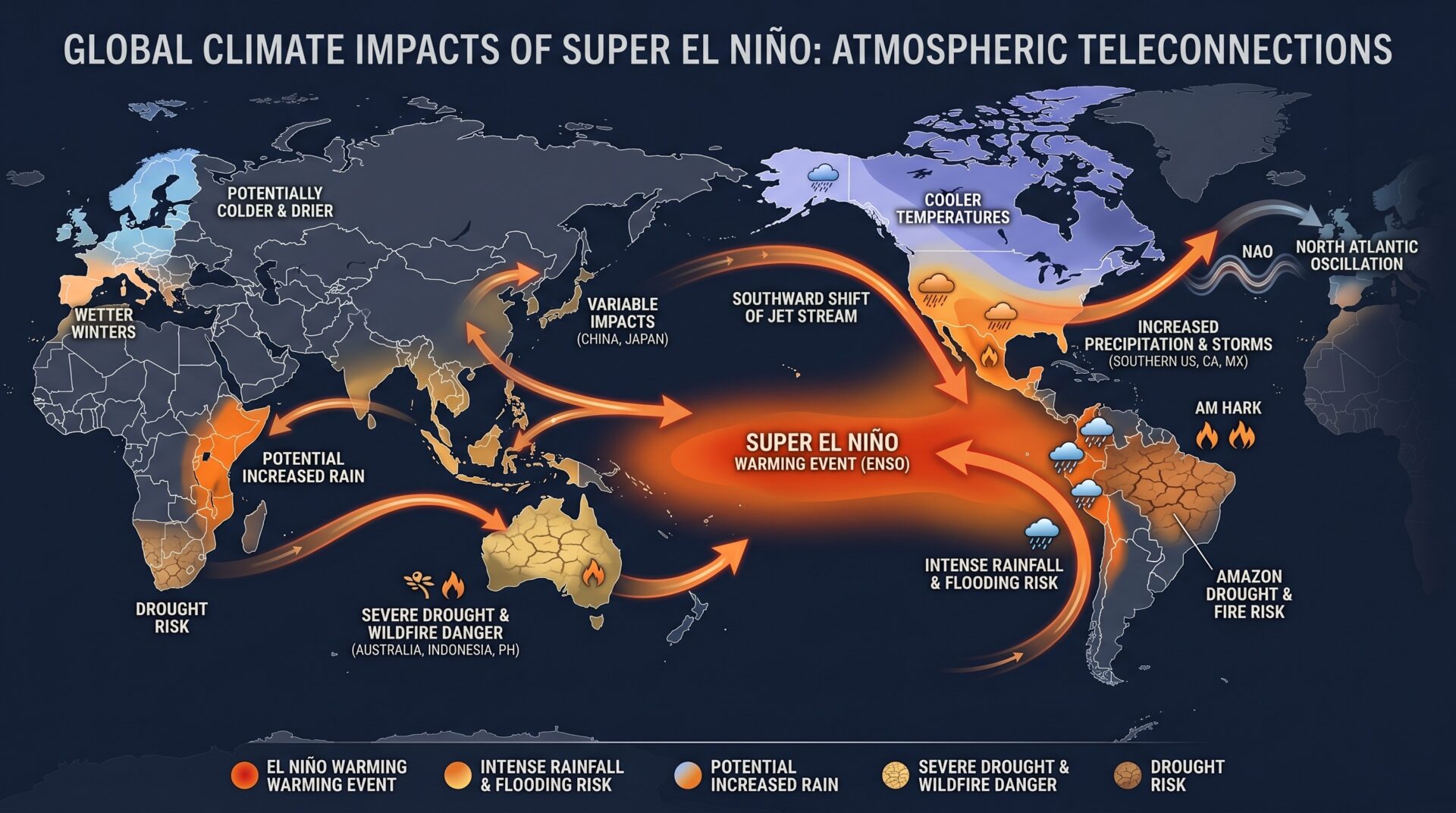
El Niño is part of the El Niño–Southern Oscillation (ENSO), a natural climate pattern involving changes in sea-surface temperatures and atmospheric circulation across the tropical Pacific Ocean
For Rand Water, which supplies bulk potable water to more than 18 million people across Gauteng and parts of Mpumalanga, the Free State and North West, climate change represents both an operational challenge and a long-term threat to water security.
The utility relies primarily on the Integrated Vaal River System, which must support growing demand from households, industries and municipalities. Population growth, urbanisation and increasing consumption are placing additional pressure on this finite resource.
Speaking at the Gauteng Water and Sanitation Dialogue on El Niño 2026, Mosai warned that the sector can no longer respond to rising demand by simply increasing water production.
“We cannot continue to respond to the challenges, particularly El Niño, by simply instructing Rand Water to abstract more water. It’s not going to work.”
His message is clear. South Africa must move away from managing water shortages primarily through supply augmentation and towards a more integrated approach that protects existing resources, reduces losses and builds resilience throughout the water value chain.
Climate change is already affecting water security
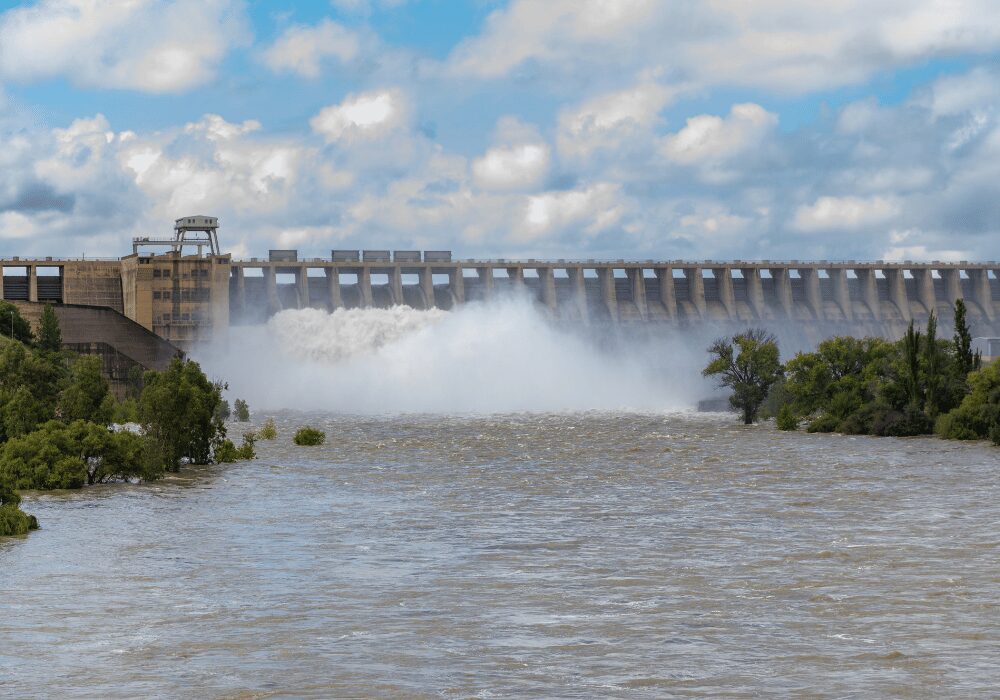
Rand Water relies primarily on the Integrated Vaal River System, which must support growing demand from households, industries and municipalities
South Africa receives an average annual rainfall of approximately 450 mm, considerably below the global average of 860 mm. Its semi-arid climate makes the country particularly vulnerable to changes in rainfall and temperature.
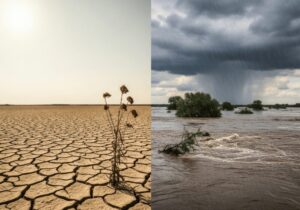
Climate change is expected to intensify these vulnerabilities. Higher temperatures increase evaporation from dams and reservoirs, while prolonged dry periods reduce river flows and place additional pressure on available supplies.
Extreme rainfall events present a different challenge. Flooding can damage infrastructure, increase sediment loads and introduce pollutants into raw water sources, complicating treatment processes and increasing operational costs.
For Rand Water, climate resilience therefore involves preparing for both water scarcity and extreme weather.
The prospect of El Niño conditions during the 2026/27 summer has brought these challenges into sharper focus. El Niño is a naturally occurring climate phenomenon, distinct from long-term climate change, but it can contribute to hotter and drier conditions across parts of Southern Africa.
Mosai cautions that rainfall outcomes will vary geographically and that the sector must prepare for uncertainty rather than rely on a single forecast.
“We must think long term, because climate change is here and is here for a long time.”
We cannot keep feeding the leaks
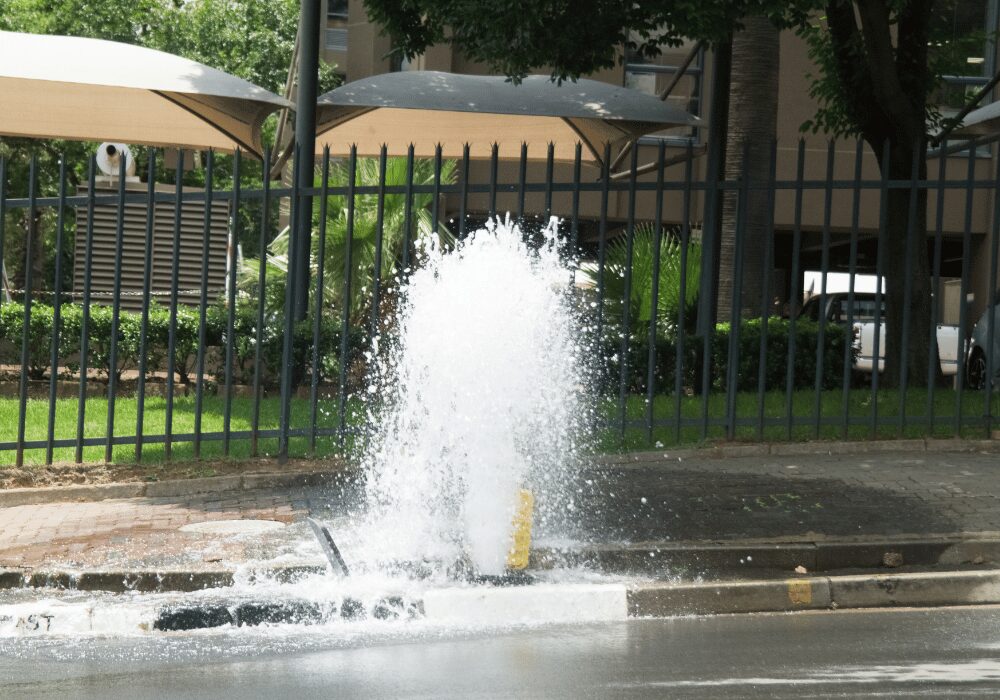
Every litre of water lost through leaks has already required abstraction, treatment, pumping and energy. It represents not only a loss of a scarce natural resource but also a financial and environmental cost
One of Mosai’s strongest messages concerns the relationship between water losses and the pressure to increase bulk water production.
South Africa’s high levels of non-revenue water mean that substantial volumes of treated water are lost through leaking infrastructure, illegal connections and other distribution inefficiencies before reaching consumers.
When temperatures rise and consumption increases, the immediate response is often to request additional water from bulk suppliers. However, Mosai argues that increasing production without addressing municipal distribution losses simply compounds the problem. “In essence, by doing so, we are not providing people with water; we are feeding the leaks.”
“The water recovered by fixing leaks may not be visible in a new reservoir, but it can make an immediate difference to the amount available for households, hospitals, schools, businesses and industry. These interventions are not glamorous. They rarely generate the excitement associated with announcing a major infrastructure project. Yet their importance is difficult to overstate.”
The implications are significant. Every litre of water lost through a leaking pipe has already required abstraction, treatment, pumping and energy. It represents not only a loss of a scarce natural resource but also a financial and environmental cost.
Rand Water’s climate resilience strategy therefore places considerable emphasis on water conservation and demand management.
Through initiatives such as Project 1600, the utility works with municipal customers to manage consumption, improve efficiency and reduce pressure on the bulk supply system. Technical support, data sharing, leak detection and pressure management are important components of this approach.
However, Mosai maintains that municipalities must take decisive action within their own distribution networks. “We are not going to overcome this period of time if we don’t fix the leaks, because there’s just no more water that comes into the system.”
He has called for accelerated leak repairs, improved pressure management, enforcement of municipal by-laws and stronger action against illegal connections.
Water restrictions and responsible consumption must also become part of the response to climate-related supply pressures.
For Mosai, water conservation cannot remain an occasional campaign introduced during periods of drought. It must become a permanent feature of water management.
Building infrastructure for an uncertain future
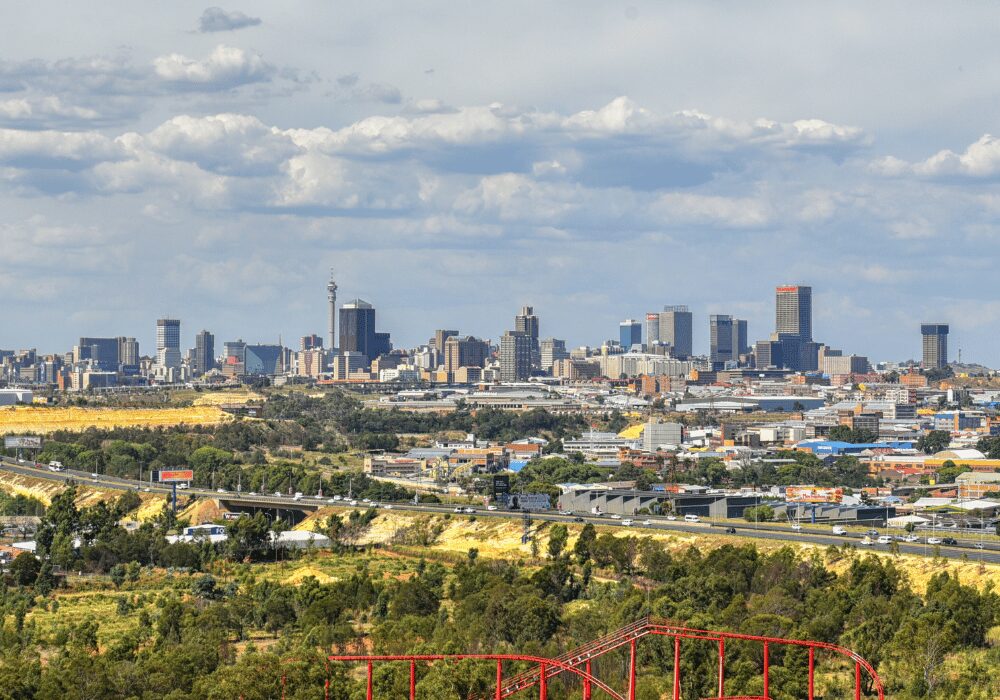
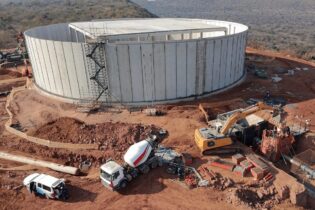
Rand Water, supplies bulk potable water to more than 18 million people across Gauteng and parts of Mpumalanga, the Free State and North West
While reducing water losses is essential, Rand Water recognises that climate resilience also depends on sustained investment in infrastructure.
Its long-term infrastructure development programme is designed to improve system reliability, increase operational flexibility and accommodate future demand.
Among its major investments are the 210 Mℓ Vlakfontein Reservoir and the Zuikerbosch Station 5A water purification plant, which adds 600 Mℓ/day of treatment capacity.
These projects demonstrate the importance of forward planning in a sector where major infrastructure can take years to design, finance and construct.
“Building and maintaining infrastructure is key to bulk water provision,” says Mosai. “Station 5A and the Vlakfontein Reservoir showcase our commitment and discipline in seeing projects through even in difficult operating environments. They are the result of years of forward planning.”
However, infrastructure resilience involves more than constructing additional capacity.
Rand Water’s climate strategy includes designing infrastructure to withstand extreme weather, strengthening disaster management arrangements and maintaining critical assets to minimise the risk of operational failures.
Efforts to climate-proof Rand Water’s assets, such as reinforcing pump stations against flood risks and installing energy-efficient equipment, ensure that the organisation is not only meeting current demand but is also prepared for future uncertainties.
Its maintenance programmes focus on pipeline integrity, pumping capacity, reservoir reliability and treatment plant performance.
The utility is also strengthening its use of monitoring systems and operational data to identify potential risks and respond more effectively to changing conditions.
Climate-related disruptions can affect several components of the water supply system simultaneously. A prolonged drought may reduce available raw water, while extreme rainfall can affect water quality and damage infrastructure. Electricity interruptions can further complicate pumping and distribution.
Building resilience therefore requires a system capable of adapting to multiple risks rather than responding to individual emergencies.
As Mosai previously observed: “There are no quick fixes in water. You plan, you operate, you maintain, and you reinvest.”
Protecting water quality and diversifying supply
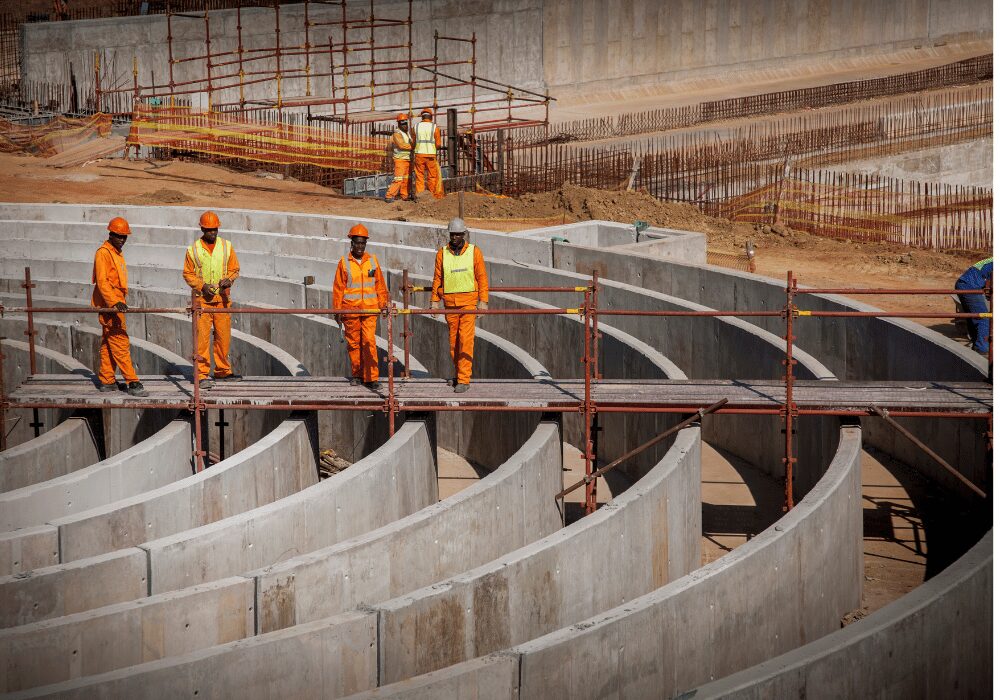
Rand Water’s long-term infrastructure development programme is designed to improve system reliability, increase operational flexibility and accommodate future demand
Climate change is not only a question of how much water is available. It also affects the quality of the water entering treatment plants.
Higher temperatures, altered river flows and extreme rainfall can influence sediment levels, microbial activity and pollutant concentrations in raw water sources.
This makes catchment protection, water quality monitoring and treatment flexibility increasingly important.
Rand Water is strengthening its monitoring and data collection capabilities to identify changes in raw water quality and adjust treatment processes where necessary.
Research into emerging water quality risks forms part of its broader climate resilience strategy.
The utility is also exploring alternative sources of water, including groundwater and reclaimed water, as part of efforts to diversify supply and reduce dependence on conventional surface water resources.
Mosai believes that water reuse must receive greater attention.
“We need to look at wastewater treatment works. We need to reuse water. There’s no more fresh water that’s going to come from the surface water.”
Increasing the safe reuse of appropriately treated wastewater for suitable applications could reduce demand for potable water, support industrial activities and strengthen overall water security. However, alternative water sources must be accompanied by appropriate treatment, monitoring, regulation and investment.
Protecting catchments is equally important. Healthy rivers, wetlands and ecosystems support water quality, regulate flows and contribute to resilience against both droughts and floods.
For Rand Water, climate adaptation must therefore extend beyond treatment works and pipelines to the natural systems on which bulk water supply depends.
Climate resilience requires collaboration
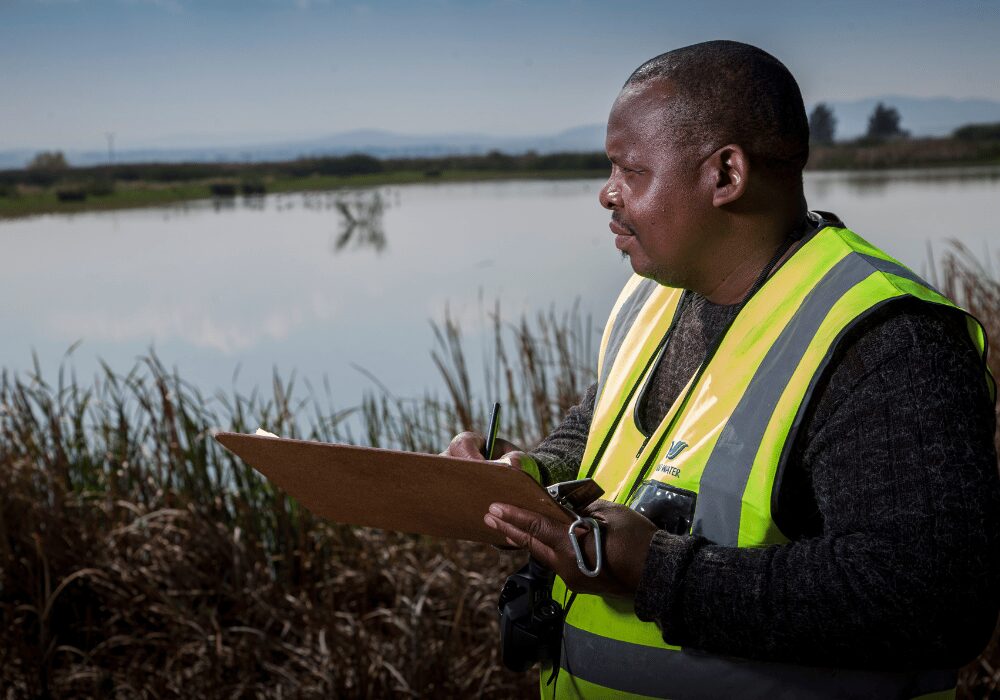
Healthy rivers, wetlands and ecosystems support water quality, regulate flows and contribute to resilience against both droughts and floods
A central theme of Mosai’s approach is that water security cannot be achieved by any single institution. Rand Water may be responsible for treating and supplying bulk water, but the reliability of water services ultimately depends on the performance of the entire value chain.
Municipalities must maintain distribution infrastructure, manage demand and enforce conservation measures. National government must support water resource planning and regulation, while water institutions, businesses and communities all have important responsibilities.
“We understand that water security cannot be achieved by a bulk water supplier alone. The challenge before us is much bigger than any institution. We need to strengthen collaborations across all players in the value chain, and most importantly, we ought to translate our collective knowledge and responsibilities into practical solutions,” Mosai told delegates at the Gauteng dialogue.
This thinking is reflected in Rand Water’s broader strategy to expand its involvement across the water and sanitation value chain. Through partnerships and special purpose vehicles, the organisation is seeking to strengthen municipal water services and support more sustainable operations.
“Rand Water will never be sustainable if we only focus on bulk water production, we are no longer just a bulk water utility. We are a diversified water and sanitation service provider across the entire value chain.”
Rand Water is also pursuing opportunities in energy generation, chemical production and alternative water sources to strengthen operational sustainability.
Mosai believes that fragmented approaches to water management are increasingly unsuitable for the challenges posed by climate change. He has called for clearly defined responsibilities, measurable commitments and consistent monitoring of implementation. The emphasis must shift from discussing problems to delivering practical solutions.
Turning climate risk into an opportunity
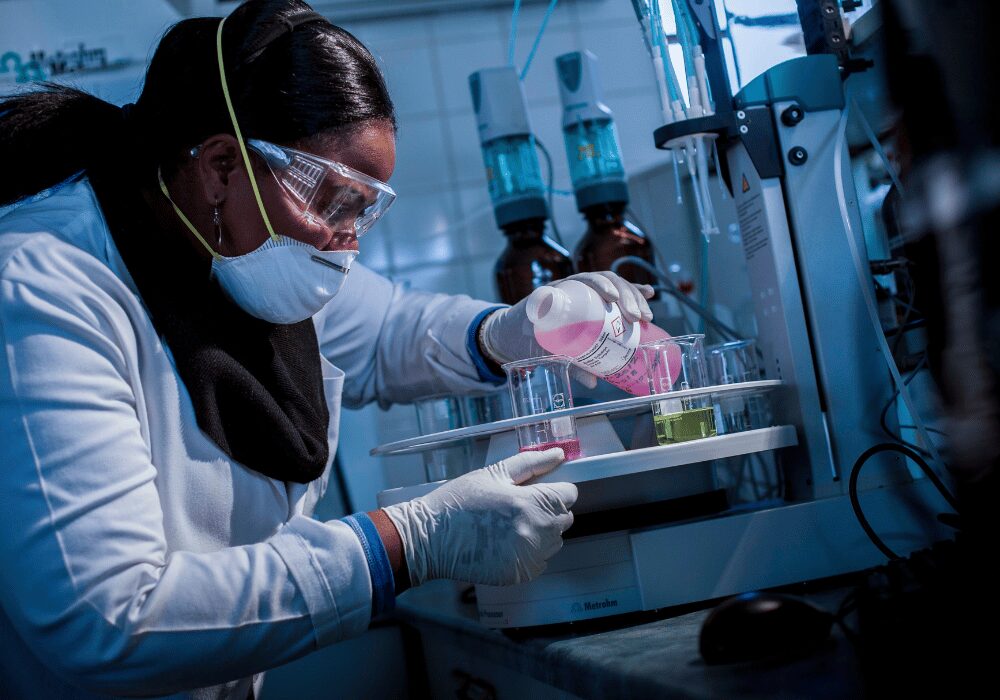
Rand Water is strengthening its use of monitoring systems and operational data to identify potential risks and respond more effectively to changing conditions
Although climate change presents considerable risks, Mosai believes it also provides an opportunity to accelerate reforms that the water sector has discussed for years.
“The need to reduce water losses, protect catchments, diversify supply, strengthen infrastructure and improve institutional collaboration is not new. What has changed is the urgency with which these interventions must be implemented. Rand Water has already reviewed its climate change policy and relevant operational processes to align with South Africa’s Climate Change Act 22 of 2024,” says Mosai.
Rand Water’s approach combines adaptation measures, designed to strengthen resilience against climate impacts, with efforts to improve operational efficiency and reduce its environmental footprint. However, Mosai emphasises that meaningful progress will require sustained commitment across the sector. “El Niño presents a serious test of our preparedness. But surprisingly for me, it presents an opportunity to implement the plans that we have crafted, we have talked about.”
Ultimately, South Africa’s ability to withstand future climate shocks will depend as much on how effectively it manages existing water resources as on its ability to develop new supplies.
For Rand Water, the priority is to ensure that every litre abstracted, treated and distributed is used as efficiently as possible.
Mosai’s message to the sector is to move “beyond responding to the crisis, but building a lasting resilience”.
With climate uncertainty becoming a permanent feature of water resource planning, the challenge is no longer simply to secure enough water for the next summer. It is to build a water system capable of sustaining communities, industry and economic growth for generations to come. “After all, water is the foundation of public health and our economy,” concludes Mosai.