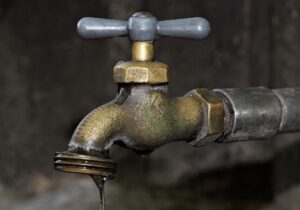
The story of Johannesburg’s latest water crisis, forming part of a larger ongoing crisis, is largely one of infrastructure neglect and political inaction.
Residents from Midrand, Westdene, Melville, Parktown, Emmerentia, Laudium, and Soweto have gone without water for weeks.The Commando System
At the centre of the problem is the Commando System. Known for its ageing infrastructure and under strain from a growing population, Johannesburg Water’s Commando System is facing serious pressure. It is prone to water shortages, along with low water pressure, especially in high-elevation areas of the supply zone. Named from where the Rand Water supply meter is located (Commando Road, Industria), the Commando System receives water from the Rand Water Eikenhof Pump Station and supplies water to three hospitals (Rahima Moosa Mother and Child Hospital, Helen Joseph Hospital and Garden City Hospital) The Johannesburg Water Commando System comprises the Brixton, Hursthill and Crosby complexes, which include: Four reservoirs and a tower:- Crosby Reservoir (46 M ℓ capacity)
- Hursthill Reservoir 1 (22.7 M ℓ capacity)
- Hursthill Reservoir 2 (22.7 M ℓ capacity)
- Brixton Reservoir (22.7 M ℓ capacity)
- Brixton Water Tower (1.1 M ℓ capacity)
- Crosby Pump Station
- Brixton Pump Station
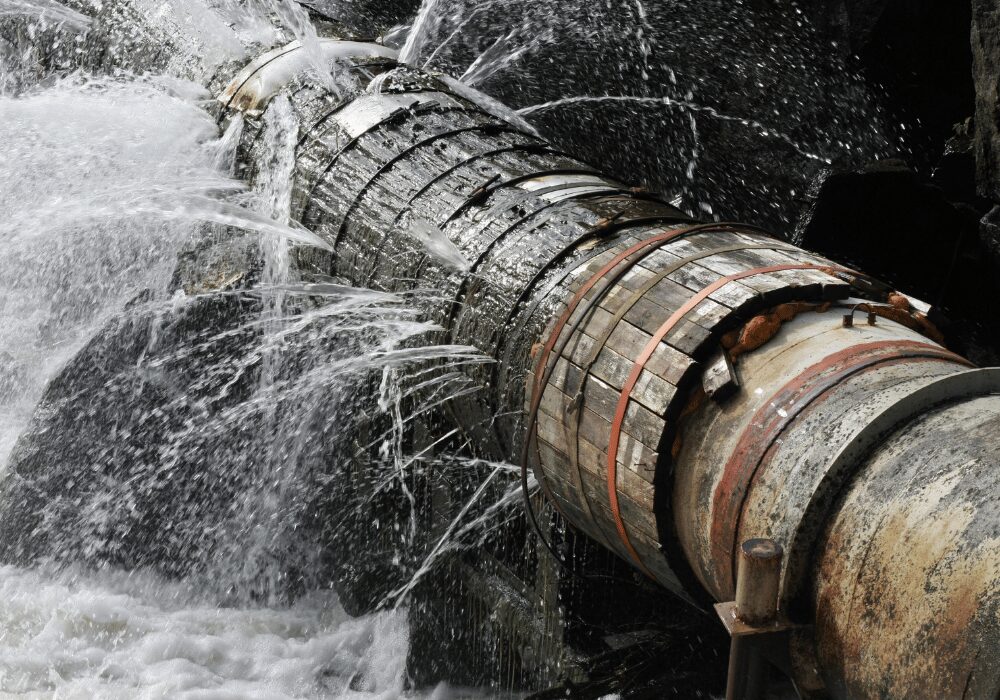
> 25-35% of all the water supplied to Johannesburg is lost through leaks
Issues upon issues
The old and failing system, along with its not-in-use upgrades, faces compounded challenges. Johannesburg Water is constantly under budget constraints. This stems from users not paying, illegal water connections, and diverted funds. In 2025, Executive Mayor of Johannesburg Dada Morero was accused of diverting R4 billion in funds meant for Johannesburg Water to other municipal expenses. This illustrates the importance of ring-fencing Johannesburg Water’s revenue, which is now being done. Johannesburg Water has also taken over the billing duties previously handled by the City of Johannesburg, which long term, serves to enable accurate billing, better revenue collection, and create a solid reinvestment pipeline within the entity. Johannesburg Water also faces issues related to vandalism and illegal connections, where water infrastructure is vandalised for political or financial gain and areas without access to water break existing infrastructure to create illegal water networks. Criminals in South Africa have exploited the need for water and the precarious situation of many residents in informal settlements by purposely cutting off the water supply and then selling water to residents at a premium. This destabilises the entire water network as many systems are interdependent. Maintenance is another sore issue, with much of the ageing infrastructure not being properly looked after and leaks going unnoticed. Johannesburg Water’s water loss rate is close to 50%, meaning that 50% of all the water supplied from Rand Water is lost inside Johannesburg’s water system, 25-35% is due to leaks alone. Breakages and backlogs also plague Johannesburg, as demonstrated in early February 2026 when a pump breakdown at Brixton went unattended because there were no parts on hand to fix it. Reports from 2025 show that the city needs R27 Billion to overcome its water crisis, but persistent infrastructure failings, low funding, and long time frames have more than likely increased this figure. Johannesburg Water is the entity responsible for delivering water to its residents, Rand Water are a bulk water service provider who supply municipalities. The crisis has highlighted the nature of this relationship, with Rand Water reducing supply by 400 Ml a day to Joahnnesburg citing high demand leading to unstable supply. Johannesburg Water states that this unstable supply is feeding the crisis. While the crisis predates the operational issues Rand Water faced earlier this year, the crisis was exacerbated by power-related disruptions at Palmiet Station and the Zuikerbosch Treatment Plant, with the already precarious systems that they feed unable to recover.
What is being done
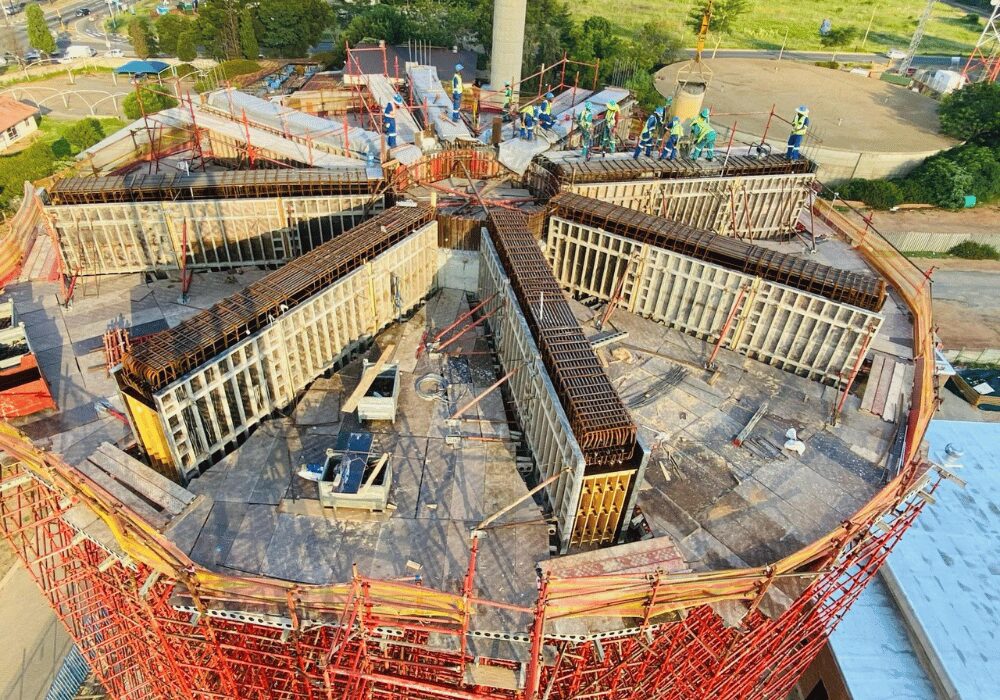
Johannesburg Water has made sizable investments into upgrading its water infrastructure, but long build times mean the current system is still vulnerable
These actions are designed to curb excessive demand, minimise water wastage, and ensure fair and sustainable access to water for all residents. In the long term, the City plans to address Infrastructure challenges, illegal connections, and historical underinvestment, which continue to strain the system. Through Johannesburg Water’s Water Conservation and Water Demand Management Strategy, the City is accelerating reservoir repairs, pipeline replacement programmes, smart metering, and more rigorous enforcement of by-laws to reduce non-revenue water and restore system efficiency. Johannesburg Water employees also went on an unprotected strike at the height of the crisis, only worsening the situation. The Minister of Water and Sanitation, Pemmy Majodina, has authorised Rand Water to abstract additional water from the Integrated Vaal River System (IVRS) as part of urgent interventions to stabilise Gauteng’s strained water supply network. The decision follows a series of disruptions between 27 January and 1 February 2026, when several electro-mechanical failures at Rand Water’s Palmiet and Zuikerbosch pump stations, coupled with a major pipe burst at the Klipfontein reservoir, significantly reduced the supply of treated water to municipalities across the province. Although Rand Water restored operations and resumed its full supply capacity of 5,000 million litres per day by 4 February, the reduced supply of treated water from Rand Water during 27 January and 3 February resulted in the depletion of many municipal reservoirs, particularly in high-lying areas, leaving many communities without water. Other key interventions between Rand Water, Johannesburg Water and DWS include:
- Accelerated repair of leaks in municipal distribution systems, including the replacement of old leaking pipes, by municipalities.
- Removal of illegal connections by municipalities.
- Acceleration of municipal water and sanitation capital works programmes, particularly the construction of additional reservoir storage capacity and pumping capacity.
- Load shifting (moving water volumes between stable and critical systems) to balance the system. This results in reduced pressure in stable areas, but does not result in supply disruptions in stable areas.
- Controlled throttling (managing reservoir outlets to build storage levels overnight).
- Approval of level 2 water use restrictions by municipal councils, and enforcement of the restrictions, particularly in high-use areas, and
- Improved communication between municipalities and the public.
Day Zero?
The term ‘Day Zero’ strikes fear into the hearts of South Africans. Cape Town’s water fiasco, branded as ‘Day Zero’, was tumultuous, but the threat was named and tackled. In contrast, Johannesburg residents have started to use the phrase, but have been met with technicalities from the higher-ups. Very technically, Day Zero refers to the total system collapse where water delivery is no longer possible. Johannesburg Water and the mayor have tried to communicate that what is happening is not a total system collapse, but the unclear communication and brushing off of fears has only enraged residents who have gone without water for 25 days now. While it is not ‘Day Zero, ’ it feels like it to the suffering residents.A political catastrophe
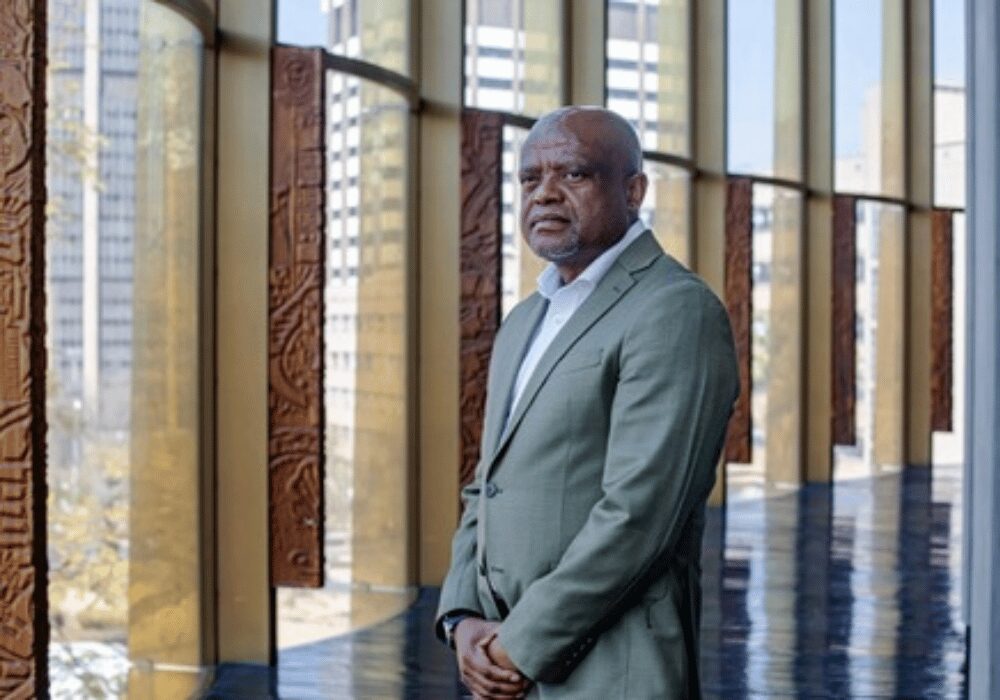
Executive Mayor of Johannesburg, David Morero, is facing harsh criticism from the public for his handling of the water crisis

Duncan Nortier