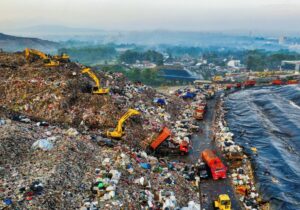

Paul Jones, director at Lumec
Comparing composting and anaerobic digestion
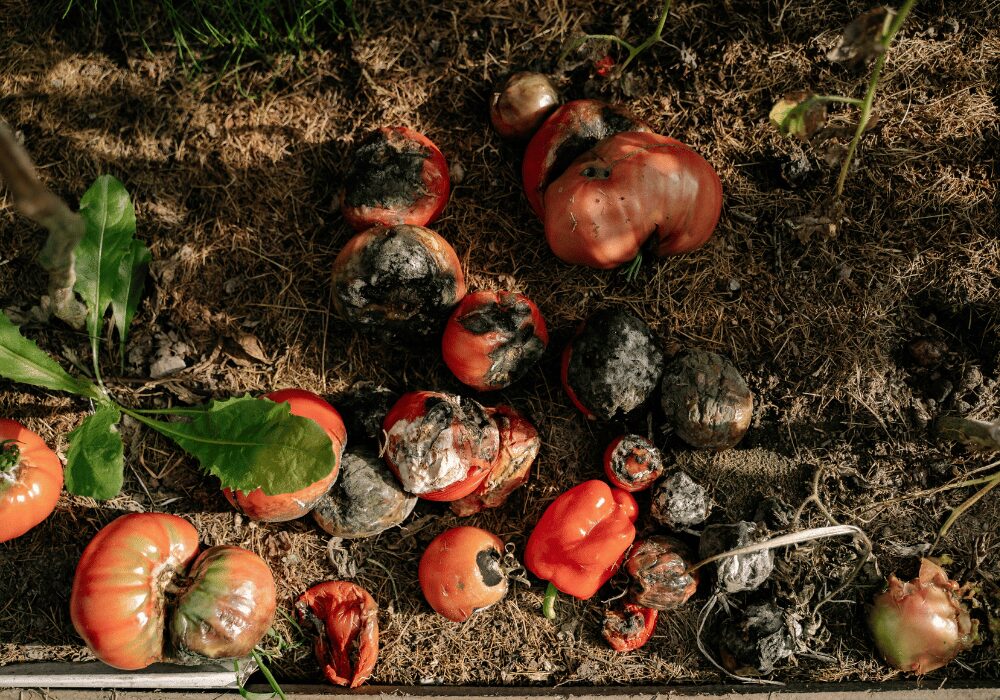
Organics have value if they are treated as though they have value
“The objective was to look at these two technologies and compare them to understand what variables essentially make each of these technologies tick,” he says.Using a cost–benefit analysis model, Jones set out to answer three key questions: why landfill remains dominant, what factors drive diversion from landfill, and which technology offers the highest net benefit to society in a South African context. “The ultimate aim of a cost–benefit analysis is to say: what’s the highest benefit to society as a whole of a project or a policy?” He explains. “And then further to that, what are the variables that influence the viability of these technologies?” His methodology combined literature review, stakeholder interviews with government, academia and industry, and detailed surveys of operational composting and anaerobic digestion facilities. “I got 28 responses in the end,” Jones says. “About 20 were composting facilities, and about eight were from anaerobic digestion facilities and technology providers.” Participants were asked about capital costs (including machinery and equipment), operational expenses, feedstock volumes, staffing, and outputs, but the data received was inconsistent. “Some people gave me very detailed answers, exactly how many tonnes of food waste and garden waste are going in,” he recalls. “Others didn’t even know how much feedstock was coming in.”
Every facility is different
What quickly became clear was that no two facilities operate in the same way.“Every single facility across the different technologies is completely unique,” Jones says. “They have different processes, different locations, different business models and different structures.”As a result, he adopted what he calls a “generic business model approach,” modelling small, medium, and large commercial facilities processing approximately 5, 20 and 100 tonnes of feedstock per day. His analysis considered both private costs, what operators themselves pay, and total societal costs, including greenhouse gas reductions and social impacts such as the impact on property values near landfill sites. When you include those external costs, every scale and technology is considered viable, he says. The only exception was small-scale anaerobic digestion, which was not considered viable when assessed purely on private financial returns.

“However, these results are not definitive,” he stresses. “You cannot say outright that a small-scale biogas facility of five tonnes a day will not be viable. The results provide an indication of the factors that generally affect viability.”
Gate fees, scale, and feedstock consistency
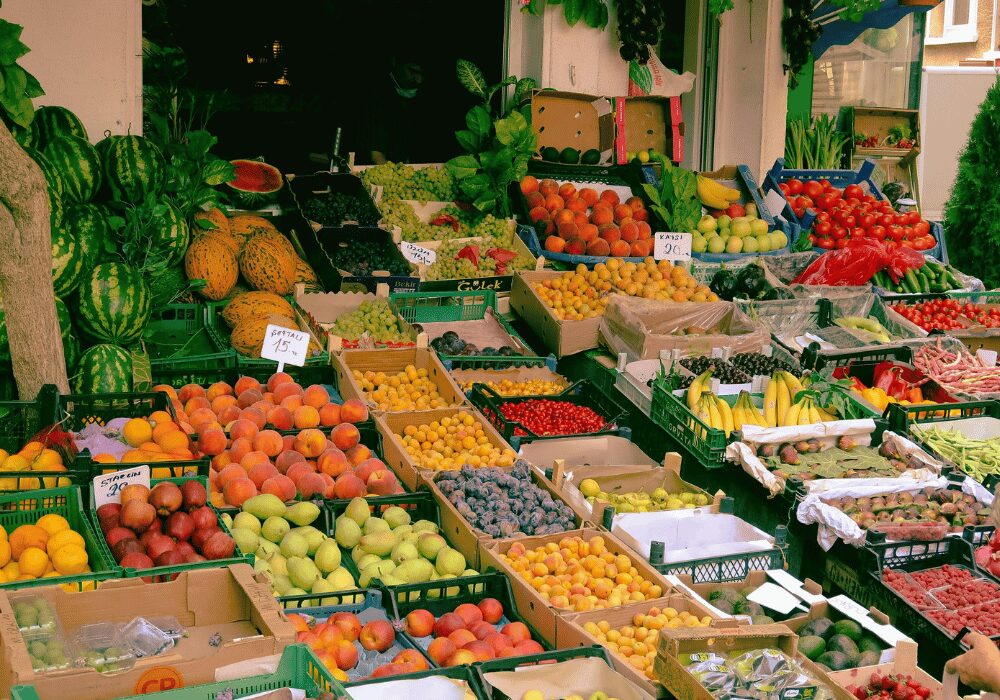
Fruit and veg markets often produce a lot of waste, which can be a reliable feedstock for anerobic digestion and composting
Feedstock quality and consistency
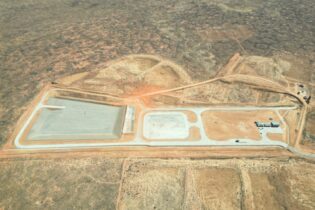
“Electricity is low value,” he notes. “A lot of biogas facilities in South Africa use biogas to offset expensive energy like diesel, rather than selling electricity to the grid.” Feedstock quality and consistency are perhaps the most decisive variables of all. “You can’t compare rotten tomatoes with mouldy bread,” Jones says. “You can have the same digester, same capital cost, same operational cost, but a huge variation in gas production depending on the waste stream feeding into the system.” He cites one example where bakery waste produced more than twenty times the biogas of cow manure. “This is why understanding your feedstock is one of the most critical things.” A lack of proper feedstock analysis has already caused major failures. “One of the biggest biogas plants in the country, a R400 million facility in Cape Town, initially failed because the actual food waste received was far lower than projected,” Jones explains.Land access and location
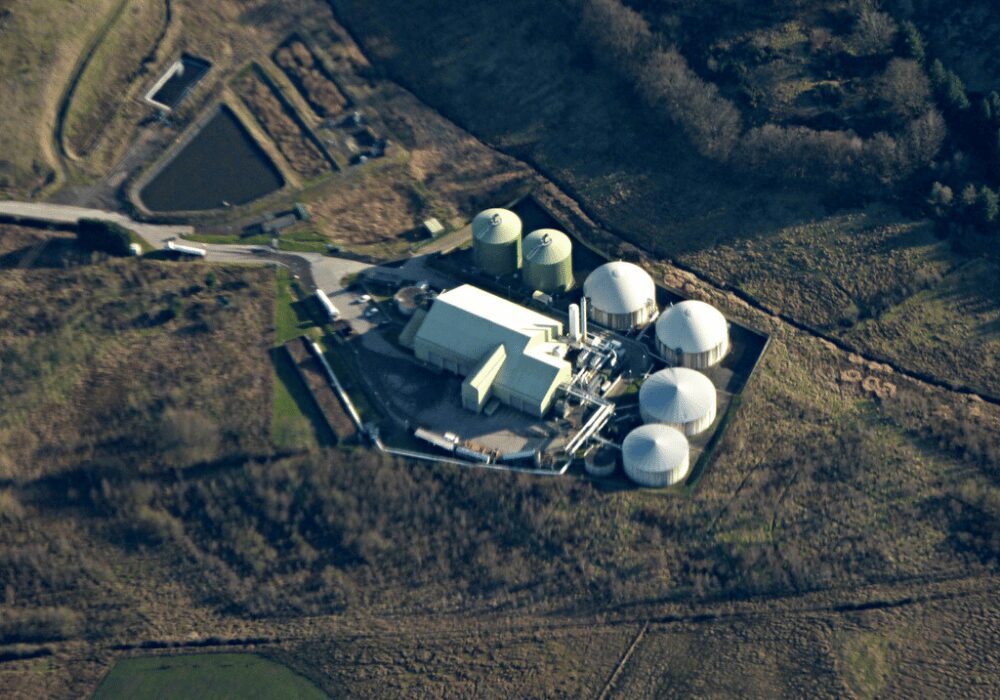
For anerbic digestion to work size of the facility and reliability of feedstocks are vital. Copyright Thomas Nugent and licensed for reuse under this Creative Commons Licence.
“They said: we’ll bring the machinery, we’ll cover operational costs, just give us access to land and feedstock.”
A case for internalising landfill costs
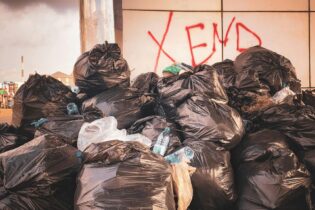
Jones argues that diverting organic waste could free up 30 to 60 per cent of landfill capacity, generating massive savings for municipalities. “If we can avoid landfill development and associated operational costs, how does that money filter back into supporting alternative technologies? Well, they often just need a small nudge.” Ultimately, his conclusion is clear: composting and anaerobic digestion are proven, valuable tools, but only when applied thoughtfully.“These technologies are great, and they’re widely adopted in other countries,” Jones says. “But you cannot do ‘plug-and-play.’ You must understand your feedstock, know your markets, and apply the right technology.”He adds: “A lot of people are fooled by technology providers saying, ‘this will work.’ But every facility must be considered in its own unique light.”