
Cape Town is usually shown as an example municipality in South Africa, but it had to overcome many obstacles to get to this position, perhaps the most infamous was Day Zero, when residents’ taps ran dry.
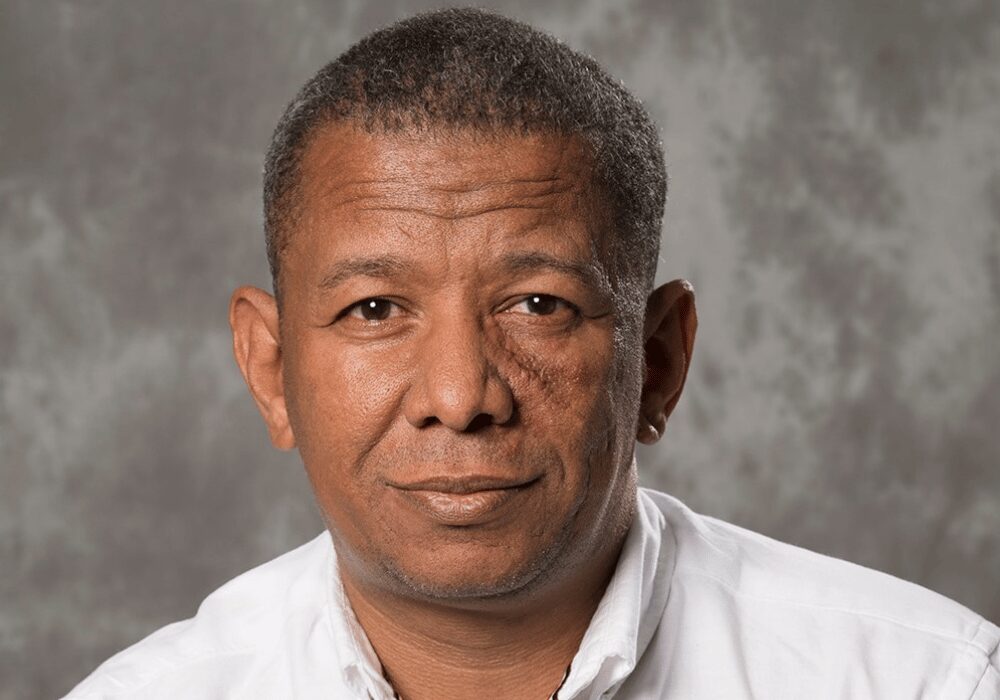
Reflecting on this and providing insight into what Cape Town does and does not do, is Leonardo Manus, executive director of water and sanitation for the City of Cape Town.Q: Cape Town is often cited as a national benchmark for water management. What makes its approach different from other metros?
A: Cape Town’s defining experience is Day Zero, and that crisis fundamentally changes how the city approaches water. The city does not treat water as an isolated technical issue; it sees it as a shared responsibility between officials and residents. That mindset helps explain why consumption remains relatively low and why water-saving behaviour becomes part of everyday life rather than a short-term emergency response. The result is a city that continues to plan cautiously, knowing that underinvestment today becomes tomorrow’s crisis. The city also works within the same financial pressures that affect other South African metros. Tariffs remain competitive; budgets are limited, and service delivery must be maintained 24/7. What sets Cape Town apart is the willingness to respond early, invest continuously, and avoid postponing problems until they become unmanageable. That philosophy applies not only to water supply, but also to wastewater and environmental protection.How does Day Zero shape planning in the city now?
Day Zero leaves a lasting mark on the way Cape Town thinks about risk. It creates a culture where the city cannot assume that surface water alone will always be enough. Instead, planning becomes more cautious, more diverse, and more future-focused. The drought forces both the municipality and residents to recognise that water security requires constant attention, not occasional interventions. That experience also changes expectations. Residents become more aware of their own consumption, and the city builds that awareness by treating demand management as a permanent priority. Rather than returning to old habits, Cape Town uses the crisis as a basis for long-term planning. The message is simple: if the city does not act, future generations carry the cost.Why do Blue and Green Drop programmes show uneven performance across municipalities?
The programmes are designed to test how well municipalities manage drinking water and wastewater systems, but performance varies because the underlying challenges are not the same everywhere. In Cape Town’s case, the issue is not a lack of commitment, but rather the scale of the infrastructure work that still needs to happen. Regulatory standards also become stricter over time, which means a system that once counted as compliant may no longer meet today’s requirements even if its actual performance remains similar. This makes wastewater management especially demanding. Cape Town invests heavily in treatment works, upgrades, and compliance improvements because the city wants to move towards a more sustainable and water-sensitive model. The city does not pretend the problem is solved; it acknowledges that major capital investment is still required. That honesty is part of why the approach appears more deliberate than reactive.What investments are Cape Town making in wastewater treatment?
Cape Town is putting significant money into large wastewater treatment projects across the metro. Athlone is one example, where the city upgrades and refurbishes existing infrastructure because there is no easy option to build entirely new works on a fresh site. Cape Flats is another major project, with a large investment planned through a public-private partnership. Potsdam in the Morningside/Eastern area is also nearing completion, and Macassar is receiving another substantial investment. These are not isolated projects. They form part of a wider funding commitment across the city, including smaller works that improve the overall system. The pattern shows that Cape Town does not treat wastewater as a background issue; it sees effluent quality and environmental responsibility as central to the city’s water strategy. That long-term approach is expensive, but it is also necessary if the city wants to maintain compliance and resilience.Why does Cape Town pursue diversification in its water supply?
Cape Town recognises that climate change makes dependence on a single source too risky. The city cannot rely on surface water from dams alone, even though it remains the cheapest option. Diversification works as a kind of insurance policy: it helps reduce the risk of severe restrictions and gives the city more control when conditions change.
The strategy includes water reuse, desalination, groundwater extraction, and managed aquifer recharge. At Zandvliet wastewater treatment works, the city starts procurement for a water reuse system that sends treated wastewater back into the network after further treatment at another plant. Desalination also forms part of the mix, although it remains expensive and depends on economies of scale to become more viable. Groundwater projects, including those at Steenbras, are already producing significant volumes, while aquifer recharge systems in places like Atlantis help store and recover water for future use.