Maskam Water warns outdated septic tanks are contaminating groundwater and urges property owners to adopt modern wastewater treatment solutions.
Gerhard Cronje, owner, Maskam Water
“Eighty years ago, a septic tank was a good option because we had virgin soil and low populations,” he says. “Now we have flush toilets, much bigger populations, and we don’t have virgin soil anymore. The soil has memory. That’s where the problem starts.”According to Cronje, contamination pathways are alarmingly direct. “The E. coli starts with the toilet that you flush. It goes through the septic tank. It goes through your French drain, and it ends up in your borehole,” he says. “In Stellenbosch, most of the bores had E. coli in them, 140 metres below ground. That E. coli is coming straight out of the city into the ground.” Once groundwater is polluted, remediation is nearly impossible. “How do you clean up water below ground level? You can’t,” adds Cronje. He continues to explain that contaminated groundwater can eventually resurface, polluting rivers and wetlands “At some point, this groundwater may rise up above ground or enter a river. Then you pollute your river.”
National legislation is often ignored
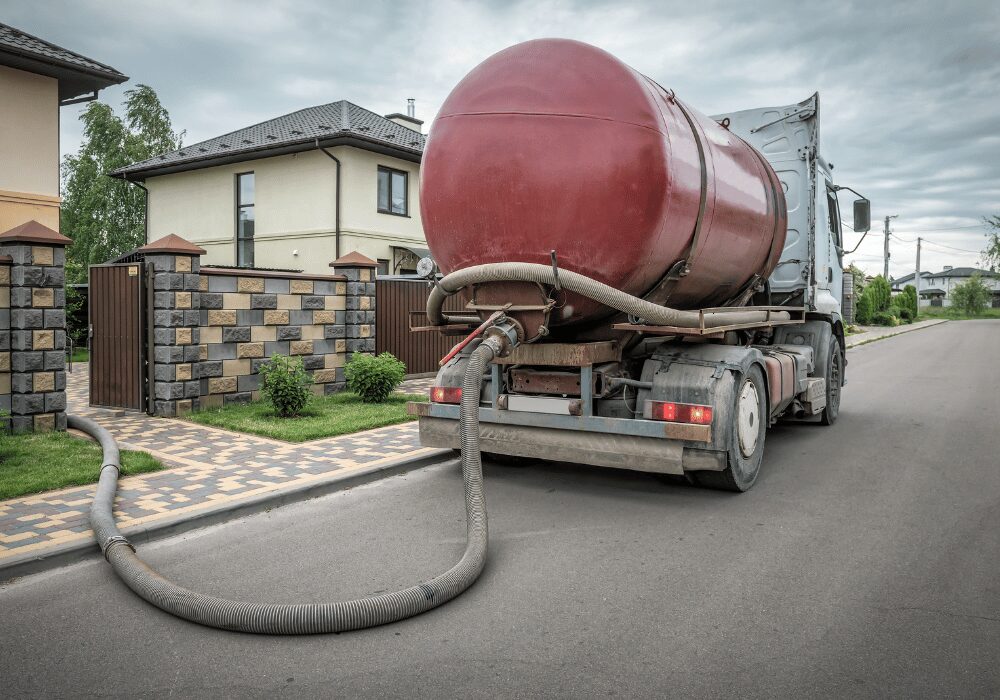
Unscrupulous operators sometimes dump wastewater illegally to avoid disposal fees, travel time or long queues at treatment plants
“If you have a borehole on one side of the house, you can’t have a French drain on the other side. It’s illegal,” he says. “And you must also be 500 metres away from your neighbour’s borehole.”Yet illegal and non-compliant installations remain common, particularly in peri-urban and rural developments. “People discharge all wastewater to french drains, including water from the kitchen, washing machine, dishwasher and shower. The toilet is only 30% of domestic water use. We keep increasing the volume, we keep increasing the number of people, but the soil that’s supposed to treat all of that doesn’t increase.” Every day, household chemicals, washing machine effluent and kitchen waste are flushed into systems never designed to handle such loads. “That sewage gets carried down into your groundwater forever,” Cronje says.

Rather than relying on soil absorption, Cronje advocates for modern on-site wastewater treatment systems that actively clean wastewater before it is discharged or reused. “The new trend is to do on-site treatment to stop the pollution,” he says.
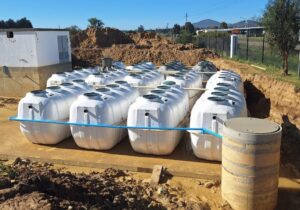
Maskam Water specialises in retrofit solutions that allow existing septic tanks to be upgraded without full replacement. “You cut off the incoming pipe of the septic tank and re-route it through the treatment unit,” Cronje explains. “In some cases, you can fit it inside the septic tank. In other cases, you install it upstream and use the old septic tank as storage. Then you can reuse the treated effluent.” This treated water can be repurposed for irrigation and other non-potable applications, reducing pressure on municipal supplies while preventing environmental contamination. Cronje compares the shift to advances in everyday technology. “Septic tanks were the best technology once, like the Model T Ford was the best car,” he says. “But today, you seldom see a Model T cruise down the street. Technology changes.” He believes the same evolution must happen in wastewater management. “We cannot carry on like this. It’s almost a non-option. We must start doing this.”Water as a resource, not a risk
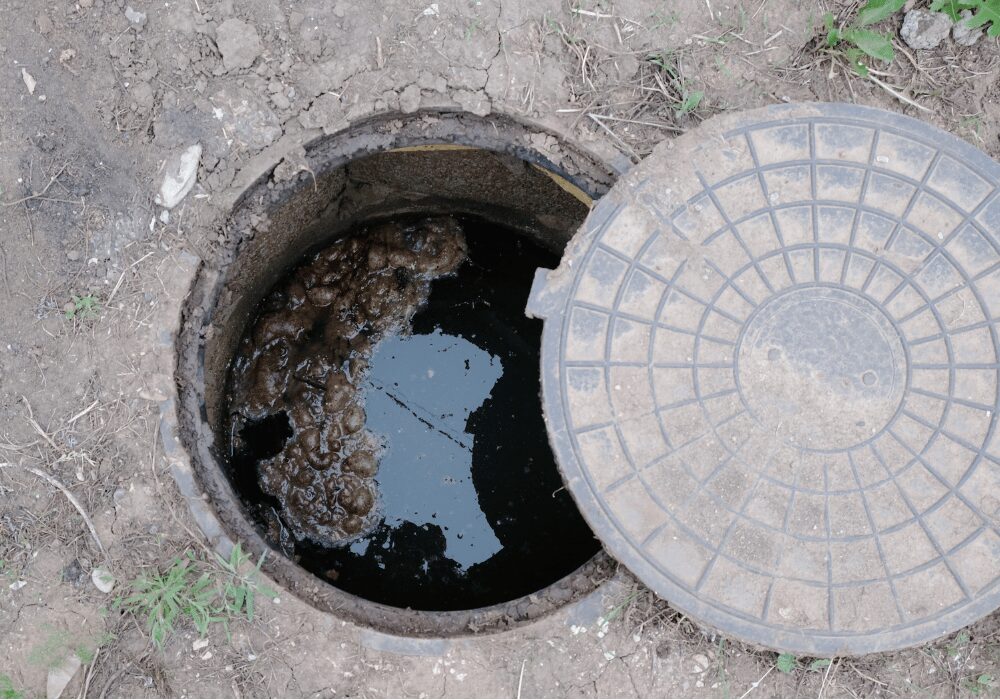
People discharge all wastewater to french drains, including water from the kitchen, washing machine, dishwasher and shower
“People don’t need miserable water stories; they need hope,” he says. “There are solutions.”By integrating on-site treatment, greywater reuse and rainwater harvesting, properties can dramatically reduce dependence on external supplies while improving environmental outcomes. “That technology gives you water resilience at the same time, and it saves you money at the same time,” Cronje says. “And for companies, it helps with ESG scores as well.” With infrastructure under strain and groundwater increasingly compromised, Cronje believes it is time for a fundamental mindset shift. “The main thing is that people don’t understand the pollution they cause,” he says. “If we start treating water as a resource instead of something to get rid of, everything changes.”
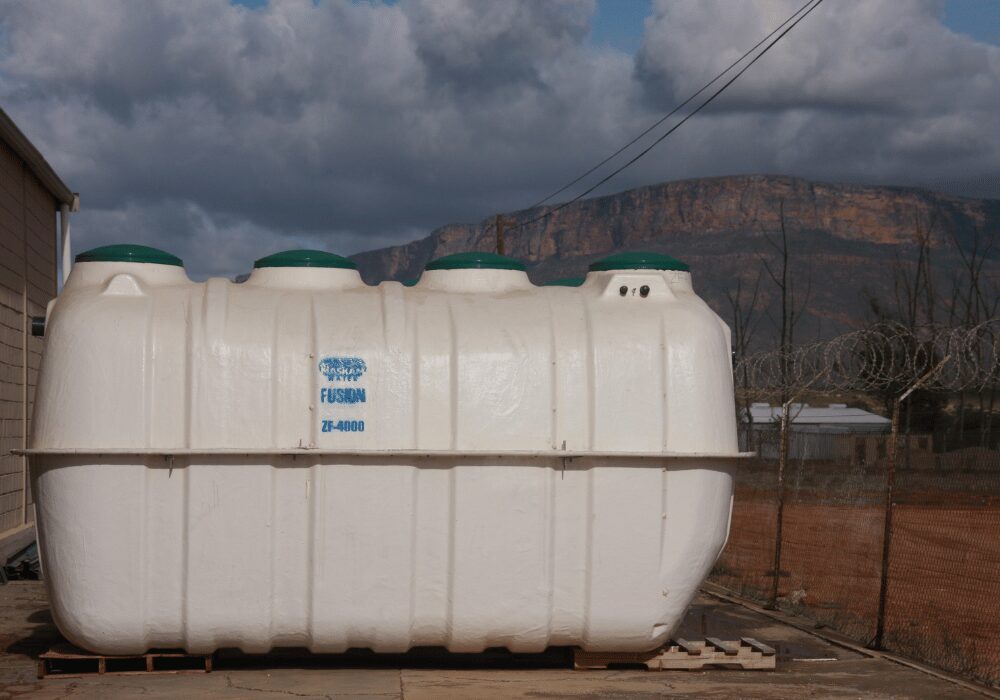
The first Fusion wastewater treatment plant was installed in Franschhoek in 2010 and today more than 400 units have been installed in 8 different countries on the African continent