
The Oxbow Hydropower Scheme advances with R106m in geotechnical contracts, supporting development of Lesotho’s planned 120MW underground power station.
The two geotechnical investigations contracts recently awarded by the Lesotho Highlands Development Authority (LHDA) mark meaningful progress on the Oxbow Hydropower Scheme, the preferred scheme within Phase II of the Lesotho Highlands Water Project (LHWP) currently under development to increase security of power for Lesotho and reduce the country’s dependence on electricity imports.
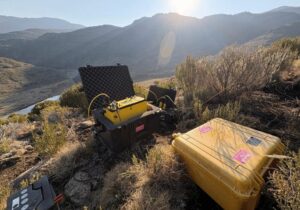
This new power station will supplement Lesotho’s only hydropower plant at ‘Muela, constructed in Phase I of the LHWP, which has an installed capacity of 72 MW. Oxbow which will be a fully underground facility with an installed capacity of 120MW, will be operated as a peaking plant running for six hours a day, seven days a week. The geotechnical investigations’ scope is split into two phases, making up the two contracts.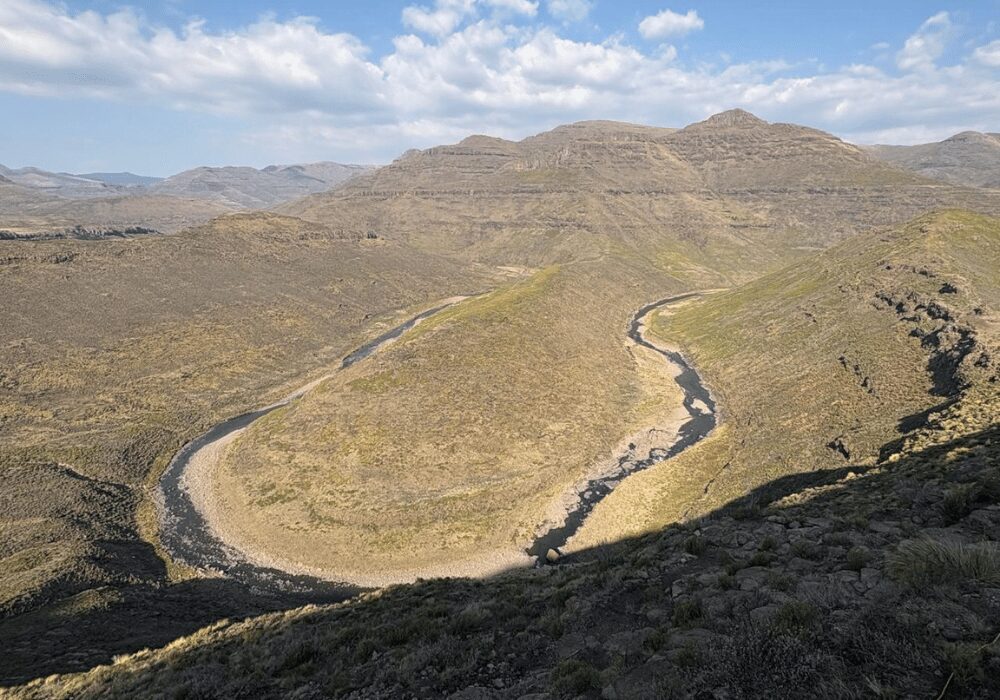 Phase 1, the smaller of the two contracts which is expected to be completed in approximately five months, comprises geophysical investigations, field mapping and other related surveys. This contract, valued at R6m, was awarded to Open Ground Resources.
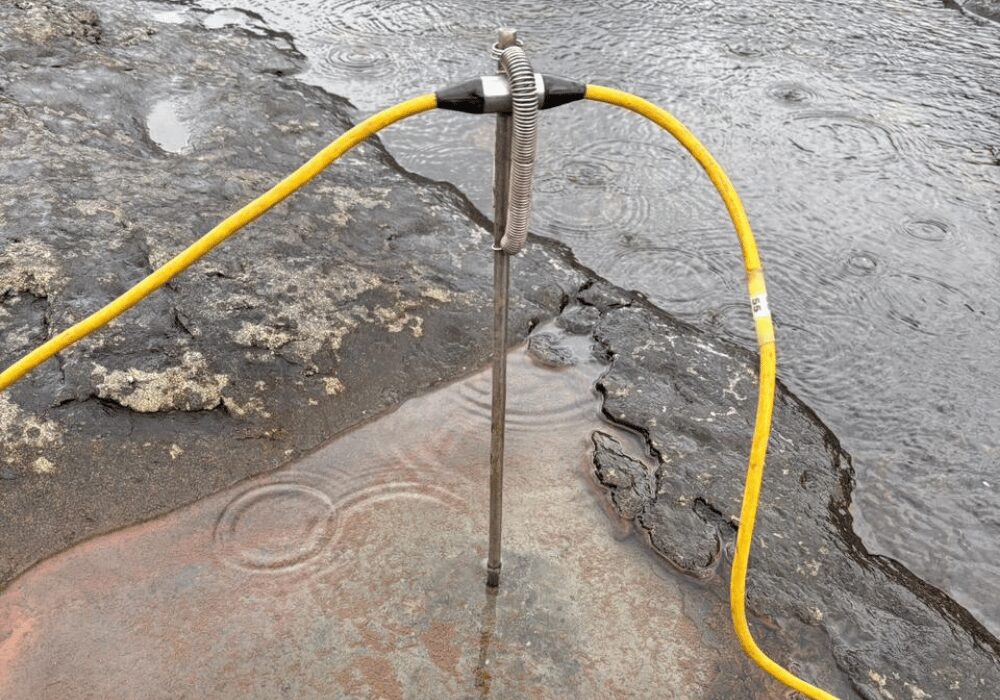

The Phase 2 contract was awarded to GEOMECH AFRICA (Pty) Ltd, a South African entity, in early August and involves more intrusive sub-surface work including borehole drilling, in-situ testing and laboratory testing. Subcontractors include Skyhorse Aviation (South Africa), Open Ground Resources (South Africa) and Sol Experts (Germany). The contract value is approximately R100m with the investigation expected to be completed in approximately 11 months, nine of which are field activities.
For the main drilling contract, there is a total of 18 boreholes combining vertical, inclined and sub-horizontal drilling with a total combined drill length of approximately 2648m. The in-situ testing is expected to comprise hydraulic conductivity, groundwater piezometric level determination, lugeon testing, stress hydraulic fracture (HF) logging, and standard penetration tests, among others.The laboratory testing will include acid soluble chloride tests for aggregates; acid soluble sulphates; potential alkali aggregate reactivity; water absorption; methylene blue, X-ray diffraction and petrographic analysis.
On projects such as this, geotechnical investigations are designed to achieve a reasonable mitigation of the geotechnical risks, which primarily address the unknown sub-surface conditions which could be encountered during actual construction. Geotechnical conditions are a potential risk for the construction phase of such projects. The start of the geophysical investigations marks a notable milestone in the development and preliminary engineering of the Oxbow Scheme. The engineering process began in early 2025 following the appointment of the engineering design and construction supervision consultant, ASG Joint Venture, comprising Artelia (France), SMEC International (Australia), SMEC South Africa and GWC Consulting Engineers (Lesotho) in late 2024. The services for Environmental and Social Impact Assessment (ESIA) commenced on the 6 January 2025 following the appointment of ELC- Consultant Joint Venture comprising of ELC (Italy), Greenway Consultancy (Lesotho) and Green Gold Group (South Africa). The ESIA contract is expected to be completed in 2027.