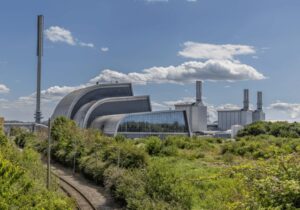
EnviroServ explores how waste-to-energy can help South Africa address landfill pressure and energy constraints through viable technologies and partnerships.

Kate Stubbs, strategy, marketing and business development director, EnviroServ
Making projects affordable
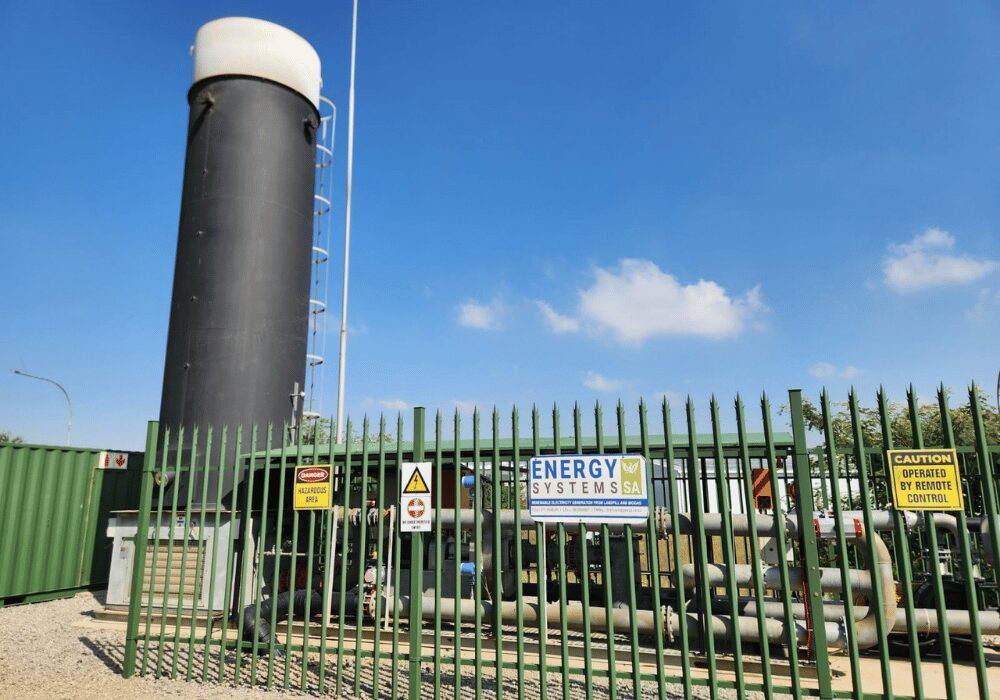
Biogas Treatment Plant at EnviroServ’s Chloorkop Waste Management facility
“We speak positively about waste as a resource, but it still needs to be collected, transported and processed. Zero waste to landfill or waste diversion does not mean zero cost,” Stubbs emphasises.Waste-to-energy facilities must also meet environmental, waste-management and air-emission requirements. Licensing, monitoring and the safe management of residual materials add to project costs.
In Europe, higher landfill gate fees, landfill taxes and strict diversion requirements make waste-to-energy comparatively more attractive. Large scale South African waste-to-energy projects therefore require funding. This may be in the form of blended finance, including private investment, public funding, grant funding and international climate finance, to close the affordability gap. In addition to the significant upfront capital, large waste-to-energy projects need to operate for decades to recover their investment. Stubbs believes public-private partnerships offer an appropriate structure for projects developed with municipalities.
“You may be looking at an agreement of at least 20 years. If there is a long-term waste supply agreement, it should be matched by a long-term power purchase agreement that secures the offtake of the electricity.”A bankable project requires a long-term waste supply agreement that guarantees sufficient feedstock, as well as a corresponding electricity or energy offtake agreement. Payment security, reliable waste volumes, suitable tariffs and clearly allocated risks are equally important. The technology provider and operator must also have sufficient experience to design, construct, operate and maintain the facility over its full lifecycle. As a SUEZ company, one of the international leaders in waste and water services, EnviroServ can draw on the group’s waste-to-energy expertise and its experience of long-term public-private partnerships. “When an investment is this substantial, operational expertise, experience and credibility are critical. South Africa cannot afford failed solutions. Projects must be properly structured and supported by experienced partners that can remain accountable over the long term,” says Stubbs.

More than incineration
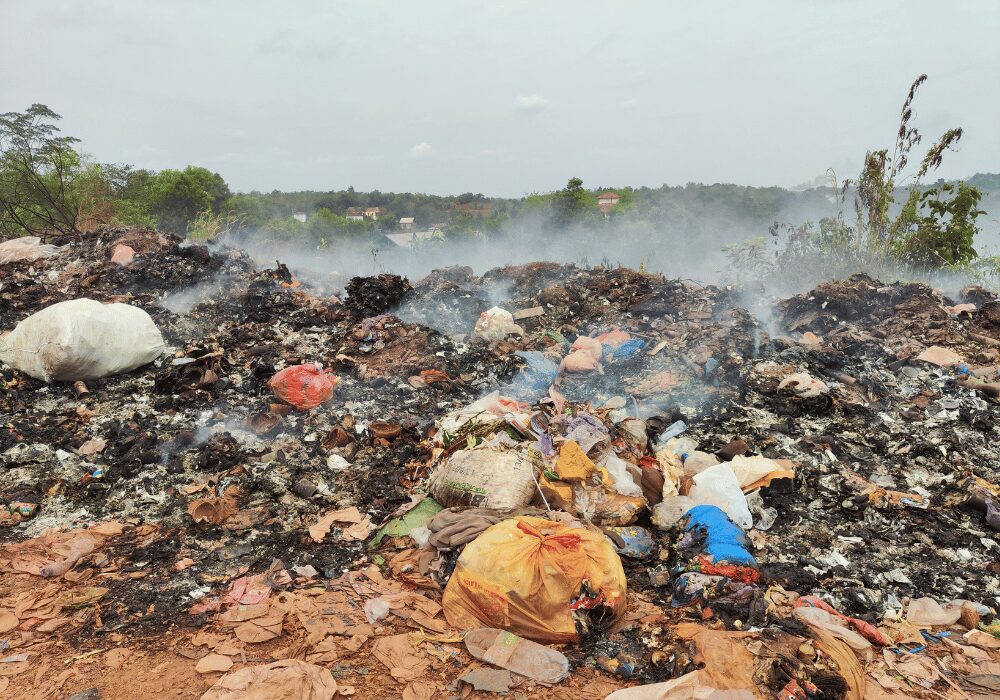
Another misconception is the close association of waste-to-energy projects with incineration and air pollution. In fact, modern waste-to-energy plants use sophisticated flue-gas treatment systems to control particulate matter, acid gases, heavy metals, dioxins and furans, and must comply with prescribed emission limits. Diverting biodegradable residual waste from landfill can also reduce future methane emissions. “People often hear waste-to-energy and immediately think of burning waste and creating air pollution. However, uncontrolled burning is not waste-to-energy. Large-scale thermal facilities are highly regulated, with strict standards governing their emissions,” says Stubbs. She adds that many engineered landfills make a meaningful contribution to the circular economy through abstracting and converting gas to energy.Landfill gas recovery
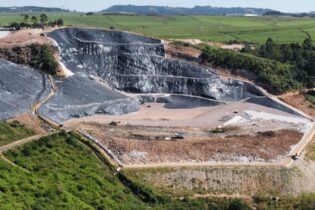
 Landfill gas recovery offers an opportunity to capture methane and convert it into useful energy. EnviroServ owns and operates six landfills in South Africa, among which three are presently suitable for landfill gas recovery due to their size, age, waste composition and operating conditions.
“Every landfill is different. Its viability depends on the size and age of the site, the age of its cells, the type of waste received and the way it has been operated,” says Stubbs.
EnviroServ has been involved in landfill gas extraction and energy generation since 2008. Its Chloorkop landfill gas initiative has generated approximately 1.5 million certified emission reductions since inception. The company is also installing and investigating gas recovery systems at Shongweni and Vissershok, although grid capacity and access remain challenges.
Landfill gas recovery offers an opportunity to capture methane and convert it into useful energy. EnviroServ owns and operates six landfills in South Africa, among which three are presently suitable for landfill gas recovery due to their size, age, waste composition and operating conditions.
“Every landfill is different. Its viability depends on the size and age of the site, the age of its cells, the type of waste received and the way it has been operated,” says Stubbs.
EnviroServ has been involved in landfill gas extraction and energy generation since 2008. Its Chloorkop landfill gas initiative has generated approximately 1.5 million certified emission reductions since inception. The company is also installing and investigating gas recovery systems at Shongweni and Vissershok, although grid capacity and access remain challenges.
A place within the waste hierarchy
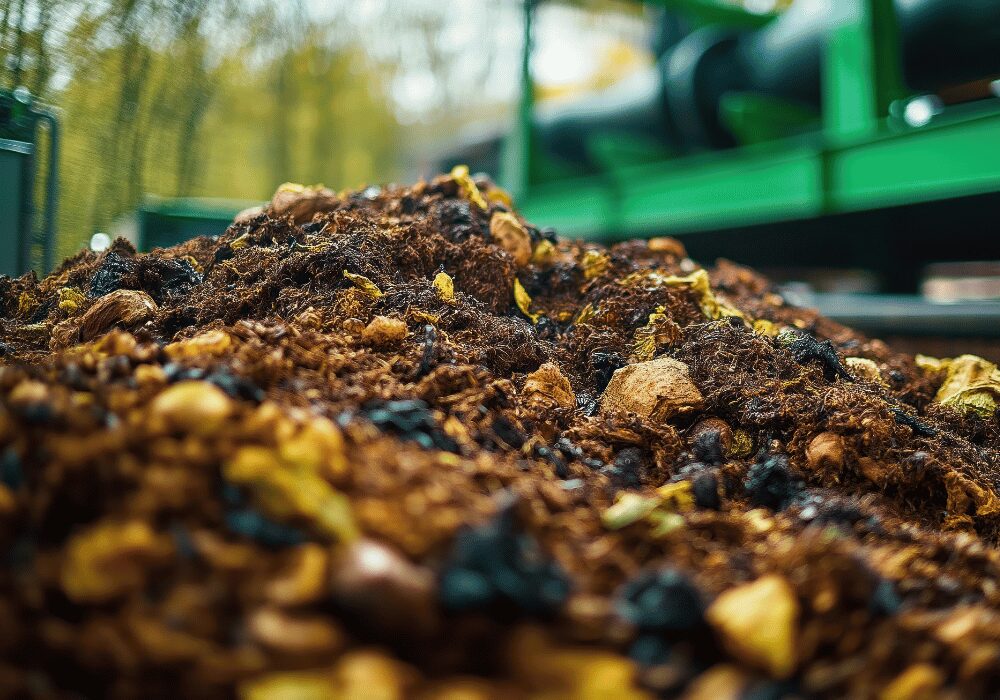
Waste-to-energy technologies should never be viewed as a replacement to interventions within the waste hierarchy. These technologies are complementary. The waste hierarchy begins with avoiding waste, followed by reducing, reusing and recycling materials. Treatment, recovery and disposal follow once these options have been exhausted.“We will still need compliant landfills because waste-to-energy processes produce residues that must be safely managed,” explains Stubbs.A large-scale municipal solid waste facility may leave approximately 20% of its original feedstock as bottom ash. Some of this material can be beneficiated and used in construction products, but the remainder must be managed or disposed of safely. Fly ash captured by emission-control systems is hazardous waste and requires specialised treatment and disposal.
A role in South Africa’s waste future
 Waste-to-energy will not resolve every waste-management challenge. Nor will it eliminate the need to prevent waste, expand recycling or operate compliant landfills. Nevertheless, Stubbs believes it should become an important component of integrated waste planning, particularly in larger metropolitan areas where volumes are sufficient to support viable projects.
“South Africa has a waste management crisis. Developing new landfills is difficult, suitable land is becoming scarce, regulations are stringent, and transporting waste over longer distances increases costs,” she says.Waste-to-energy facilities can potentially be located closer to urban centres, reducing transport distances while supplying electricity or other forms of energy. For municipalities, this offers an opportunity to address two infrastructure challenges through an integrated solution.
“The legislation is moving in the right direction, but it must be enforced, and suitable projects must be brought to market. Waste-to-energy certainly has a role to play in South Africa’s long-term, sustainable approach to waste management.”