The Department of Water and Sanitation (DWS) continues to focus on infrastructure as it ramps up its efforts to secure South Africa’s water future.
There are six strategic mega water resources projects in the construction phase:
- Lesotho Highlands Water Project Phase II
- Raising of Clanwilliam Dam,
- Raising of Tzaneen Dam
- Mzimvubu Water Project
- Mokolo and Crocodile River (West) Water Augmentation Project Phase 2A (MCWAP-2A)
- Olifants Management Model (OMM) Programme.
1. Lesotho Highlands Water Project Phase II
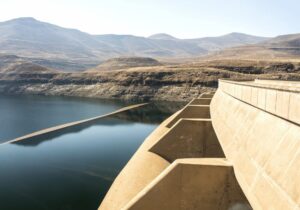
The Lesotho Highlands Water Project Phase II (LHWP-2), jointly implemented by Lesotho and South Africa, comprises the Polihali Dam, a 38 km gravity water-transfer tunnel linking Polihali to Katse Dam, and associated infrastructure. The project will add 490 million m
3 per year to the Integrated Vaal River System, taking total transfers from the Lesotho Highlands to South Africa to 1 270 million m
3 annually. DWS noted that the Integrated Vaal River System has been in deficit since 2015 and that the project is intended to strengthen long-term water security for Gauteng and surrounding areas.
Overall construction is 56.8% complete against planned progress of 63.8%. The Polihali Dam is 53% complete and the transfer tunnel is 58% complete. Three major bridges,
Senqu, Khubelu and Mabunyaneng, has reached completion, while the resettlement programme for approximately 209 affected households is 49% complete. The project has created 16 000 direct job opportunities for Basotho and South Africans.
The project is funded off-budget entirely through the Trans-Caledon Tunnel Authority (TCTA), with loans to be repaid from project-generated revenue. Delays to the dam have been attributed to weather, technical complexity, work and mining permits and contractor performance, while difficult geology has affected tunnel construction. A turnaround strategy is being implemented by the Lesotho Highlands Development Authority.
Water delivery remains targeted for October 2028, subject to dam impoundment, tunnel completion and other milestones. First dam impoundment is targeted for July 2027.
2. Raising of Clanwilliam Dam
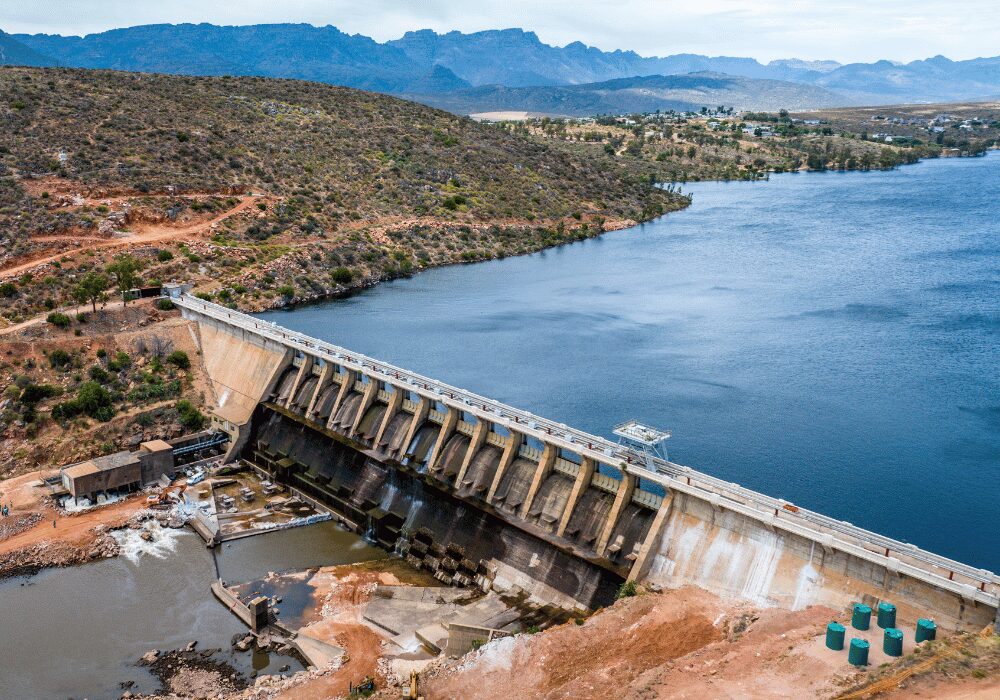
Raising of Clanwilliam Dam
The Clanwilliam Dam raising project is intended to improve the assurance of water supply for agriculture, provide allocations to resource-poor farmers and address dam safety requirements.
The dam wall is being raised by 13 metres, while associated works include the relocation of a section of the N7 and affected provincial roads.
Construction stands at 47%. The project has an estimated total cost of approximately R7.03 billion, with R2.08 billion spent by the reporting date. Emergency spillway works are complete, while the intake tower and associated outlet works are 7% complete. The Western Cape Department of Infrastructure is undertaking the design of affected provincial road realignments.
The project has been affected by slow excavation works, heavy rainfall and flooding. An acceleration plan is being implemented. DWS reported that the project was 273 days behind schedule at the end of August 2026, with overall completion targeted for May 2028.
The project is funded through National Treasury augmentation allocations, with DWS also engaging on the Budget Facility for Infrastructure (BFI) to supplement baseline allocations.
3. Raising of Tzaneen Dam
The Tzaneen Dam project involves raising the dam wall by three metres to increase storage by 36 million m
3 and improve water supply to Tzaneen and surrounding areas in Limpopo. The additional storage is expected to add four million m
3 per year to the dam’s yield.
Overall construction is 66% complete. The project had spent approximately R675.6 million of an estimated R1.26 billion total cost. Key elements included the permanent access road at 43%, embankment strengthening at 25%, the non-overspill crest tongue wall at 19%, and the labyrinth spillway at 7%.
Repeated flooding has constrained construction of the labyrinth spillway, while procurement challenges and the delayed appointment of a tower-crane service provider have also affected progress. The latest approved programme gives an overall completion date of December 2027.
4. Mzimvubu Water Project
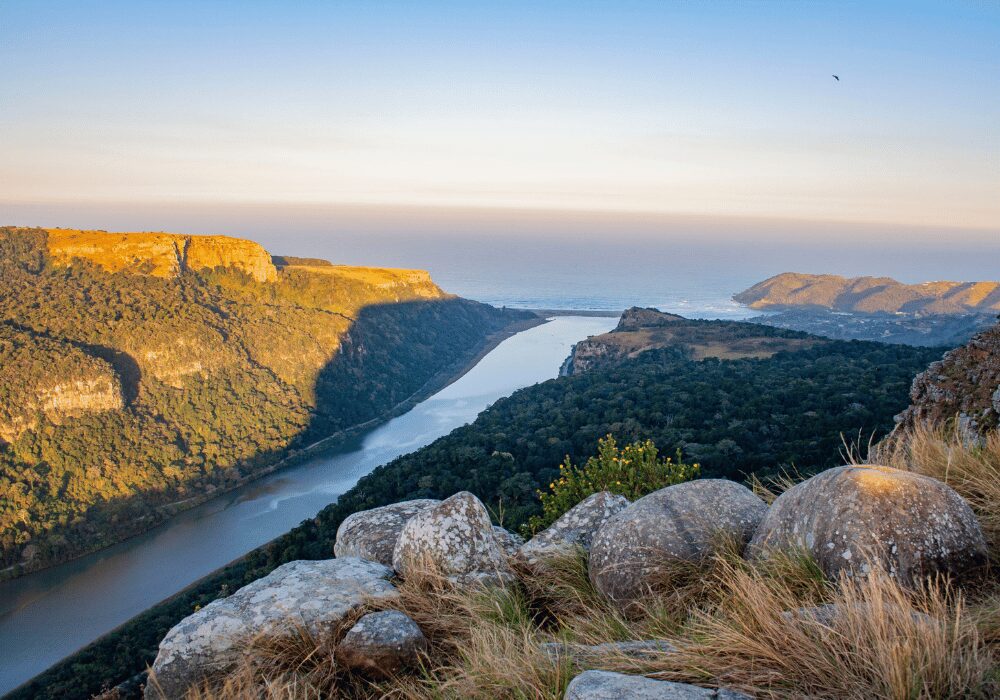
Mzimvubu River, this project has long been delayed but progress is eventually happening
The Mzimvubu Water Project centres on the Ntabelanga Dam and associated infrastructure. The wider scheme is intended to provide domestic and irrigation water, with hydropower to be developed separately by the private sector. The Ntabelanga works currently under construction include the dam, access roads, construction accommodation and a localised water supply system.
Overall project progress is approximately 15%, although the detailed construction breakdown showed access roads at 27% and Ntabelanga Dam works at 2%. The project has an estimated total cost at completion of approximately R9.63 billion, with R613.5 million spent at the reporting date. The current completion target is March 2030, pending approval of the final construction programme.
The project has experienced significant disruption. A four-month community-related site closure, poor supplier performance and the unavailability of suitable construction materials have delayed construction. The scope of the access road was also expanded to include the widening of four bridges, pushing the road completion target to October 2027.
The Department is also preparing for longer-term funding. Procurement of a professional service provider for a bridging study, required for an application for long-term BFI funding, was in its final stages.
5. Mokolo and Crocodile River (West) Water Augmentation Project Phase 2A
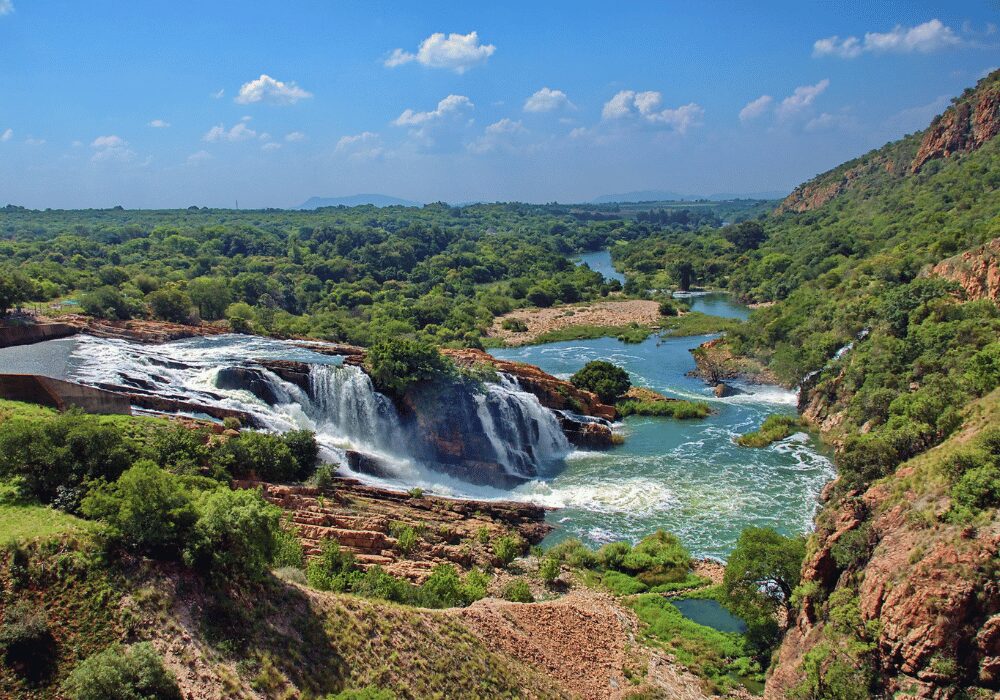
Mokolo and Crocodile River (West) Water Augmentation Project Phase 2A (MCWAP-2A)
MCWAP-2A is designed to provide Eskom with a second water source for the Medupi and Matimba power stations while augmenting water supply to the Lephalale area. The project includes an abstraction weir, pump stations and approximately 160 km of water-transfer infrastructure with a capacity of 75 million m3 per year.
The construction contractor has been appointed, and pre-construction activities have commenced. Site progress is 3%, compared with planned progress of 4.5%. Steel pipe manufacturing began in June 2026, and laying of the gravity pipeline from Lephalale began in August. The project’s estimated total cost is approximately R19.73 billion.
Earlier delays resulted from environmental authorisation appeals, the Covid-19 pandemic and delays in raising commercial funding through TCTA. The environmental appeal has since been dismissed and the full funding portfolio became effective in November 2025. TCTA has adopted a recovery plan to address the remaining variance. Construction completion is targeted for October 2029, with water delivery targeted for January 2030.
6. Olifants Management Model Programme
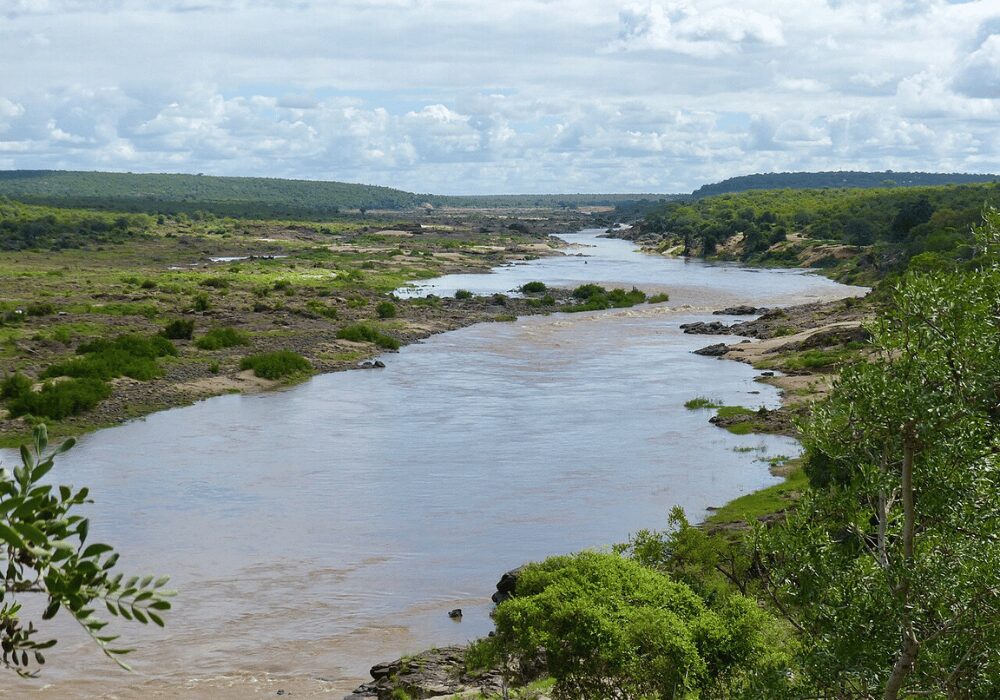
The Olifants River is seen as critical to boost the local economy of Limpopo, with some R25 Billion invested in the Olifants Management Model project. Image licensed under creative commons from Bernard Dupont
The OMM Programme is a multi-stage, approximately R25 billion bulk raw and potable water programme being implemented through a 50:50 public-private collaboration. It will involve approximately 875 km of pipelines and associated infrastructure across Limpopo, serving Sekhukhune District Municipality, Mogalakwena Local Municipality and, ultimately, Polokwane Local Municipality.
Stage 1 construction is 14% complete, following completion of early works. The stage has a budget of R8.46 billion, of which R6.13 billion is committed and R1.14 billion had been spent. Detailed design is advanced across pipeline systems, water treatment works at Mokopane and Sekuruwe, and renewable-energy components.
The programme has secured 77 of 81 required servitudes, representing 95%, while financial milestones including the Financial Investment Decision, commercial close, EPC award and mezzanine debt close have been achieved. The project is progressing towards senior-lender financial close. The current programme identifies Stage 1 construction through to the end of 2028, with subsequent stages dependent on further investment decisions.
At full development, the programme is expected to supply 263 000 m³ of potable water per day to more than one million people, including approximately 390 000 people who would benefit from yard connections.
Common causes of delays
DWS identified community disruptions, local business forums, land acquisition and expropriation challenges, procurement constraints and weaknesses in project management as recurring causes of delays.
The Department said it consults affected communities and traditional leaders on project benefits, employment opportunities and participation mechanisms. Main contractors are contractually required to subcontract portions of projects to local suppliers and contractors, while DWS provides information and training on bidding processes. Where local contractors experience difficulties, the Department works with main contractors to resolve them.
Land acquisition remains another potential source of delay. DWS engages affected landowners before and during construction and monitors valuation and compensation processes. The department also acknowledged that criminal extortion requires intervention by law-enforcement agencies.
Procurement has particularly affected the DWS Construction Unit. The Department is therefore introducing three-year framework contracts to reduce the number of procurement processes required for specialist services, supplies, construction materials, plant, machinery and spare parts. Project-management risks are being addressed through capacity assessments before appointing implementing agents, regular progress reviews, acceleration measures and project steering committees.
Financing strategic water infrastructure

DWS have identified local business forums, or construction mafia, as common causes for delay
DWS uses a combination of funding models. LHWP-2 is funded off-budget through loans raised by TCTA, while projects such as Clanwilliam and OMM use combinations of BFI funding, market finance and National Treasury augmentation funding. Tzaneen Dam is funded through augmentation allocations.
The augmentation allocation is provided by National Treasury to DWS’s Water Trading Entity to fund projects of a social nature that cannot generate sufficient economic returns to support market-based borrowing. DWS warned that current augmentation allocations may not be sufficient for social projects under construction over the current and following two financial years and is engaging National Treasury on a possible increase. In the meantime, projects are continuing to be funded from Water Trading Entity reserves.
Projects in planning and design
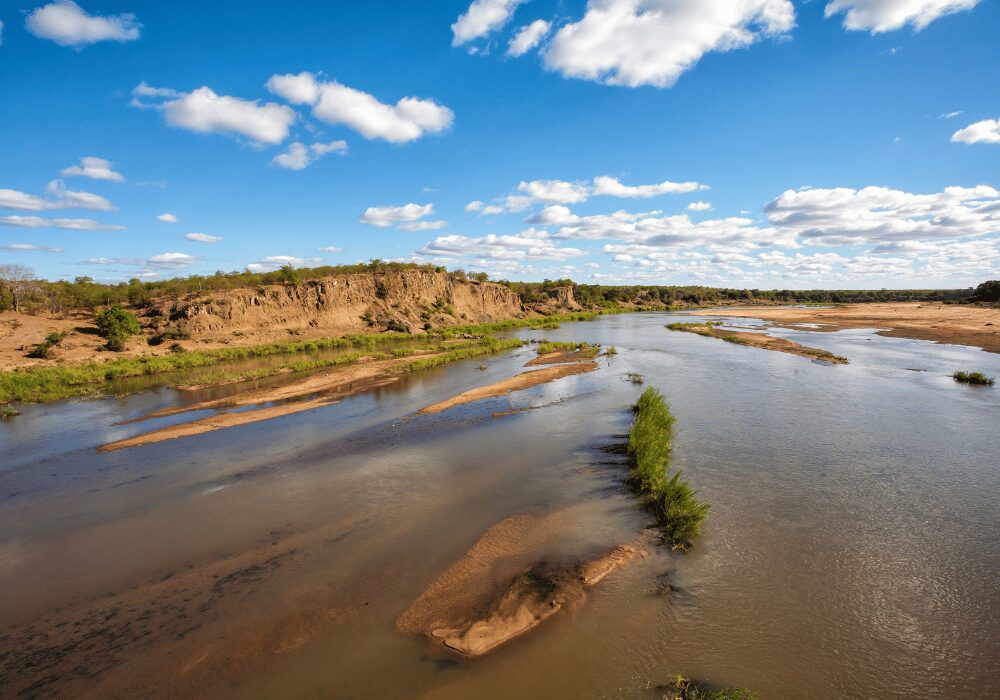
> The Middle Letaba Water Development Project is in the planning stage
There are 10 major projects at the concept and viability stage:
- Crocodile East Water Project
- Lower Orange River Water Project
- Olifants-Doorn Water Project
- Breede-Berg Water Transfer Scheme
- Mfolozi Water Project Phase 3
- Lesotho-South Africa-Botswana Water Transfer Project
- Thukela Water Project
- Water-resource development for the Musina area
- Development options in the Upper Orange River
- Middle Letaba Water Development Project.
A further group of projects is in design or procurement:
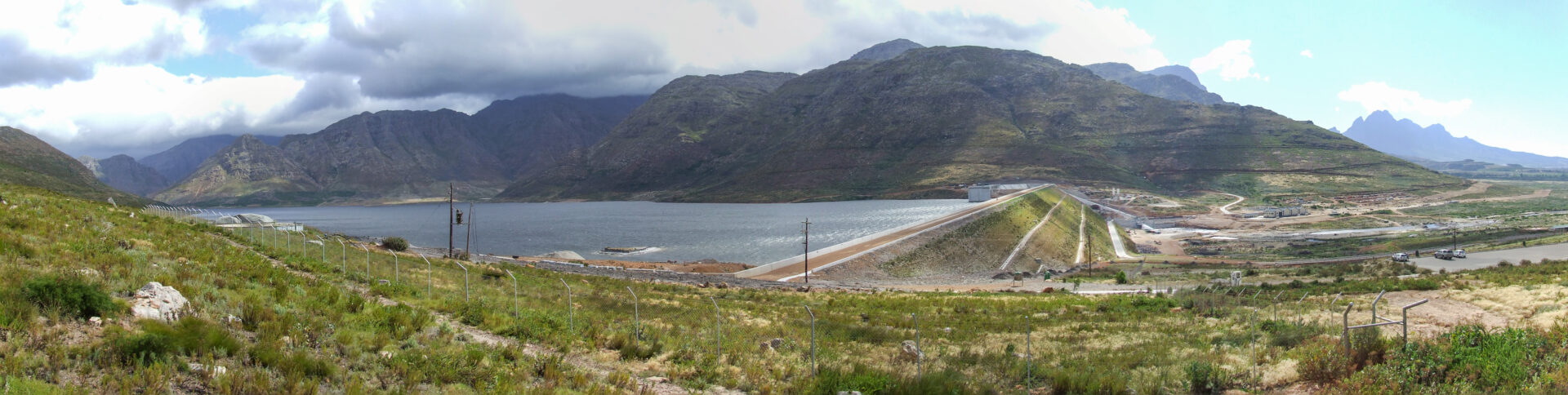
Berg River-Voëlvlei Augmentation Scheme is in the design phase of the project pipeline
- uMkhomazi Water Project
- Berg River-Voëlvlei Augmentation Scheme
- Stephen Dlamini Dam
- Cwabeni Dam
- Foxwood Dam
- Zalu Dam
- Coerney Dam
- Nwamitwa Dam
- Gcuwa Weir and Klipfontein Dam.
The uMkhomazi Water Project, estimated at R28 billion, had reached 54% design completion for the tunnel/pipeline and 47% for the dam. It combines fiscal, international-finance and TCTA funding. However, social challenges had halted geotechnical investigations in some areas after tribal authorities temporarily revoked access pending resolution of grievances.
The Berg River-Voëlvlei Augmentation Scheme had completed its concept design and secured long-term off-budget funding through TCTA, but procurement of the detailed-design professional services provider had been unsuccessful. The project’s water-delivery target had consequently shifted to May 2030.
Other projects are progressing at different stages. Stephen Dlamini Dam’s construction tender process had been completed and was awaiting approval of a revised estimated project cost; Cwabeni’s construction tender had been awarded; Nwamitwa Dam’s design was complete but long-term funding was still being secured; and Gcuwa Weir and Klipfontein Dam remained subject to environmental and related preparatory processes.
BFI-funded water services projects
DWS is also overseeing a number of major water-services projects funded wholly or partly through the Budget Facility for Infrastructure. Where municipalities apply directly to National Treasury, DWS acts as the transferring officer, administering and overseeing the allocations, while the municipality or its implementing agent remains responsible for implementation and performance. These projects include potable-water security and remedial works in George, the Drakenstein BFI project, integrated bulk water supply works in Sol Plaatje and drought interventions in Nelson Mandela Bay.
DWS is implementing a second group of BFI projects through water boards and water-user associations, working with the Infrastructure Finance and Implementation Support Agency (IFISA) and beneficiary municipalities. These include the Olifants Management Model Programme through Badirammogo Water User Association, Olifants-Ebenezer Bulk Water Supply through Lepelle Northern Water, Pilanesberg Bulk Water Supply Scheme Phase 2 and Moretele North Bulk Water Supply Scheme through Magalies Water, and the Lower uMkhomazi Bulk Water Supply Scheme through uMngeni-uThukela Water.
The Olifants-Ebenezer project, for example, is being implemented in three phases and is intended to increase combined supply from 114 Ml /day to 270 M/day by 2033, at an estimated total cost of R23.2 billion. Phase 1A refurbishment was 92% complete, with planned completion by November 2026, while later phases remain subject to planning and funding.
Overall, South Africa’s water infrastructure programme is advancing across construction, design and planning stages, but that delivery remains dependent on managing social disruption, procurement, land access, environmental approvals, project-management capacity and long-term financing. The department is consequently using a mixture of acceleration plans, framework procurement, stakeholder engagement, blended finance, TCTA borrowing and BFI allocations to maintain implementation across the project pipeline.