
Discover why feasibility studies, cost engineering and early input from Quantity Surveyors are essential to making South African manufacturing projects bankable.
As South Africa seeks to strengthen its manufacturing capacity, attract investment and stimulate industrial growth, the commercial viability of manufacturing projects is becoming increasingly important. While access to funding remains a critical consideration, the ability of businesses to demonstrate that their projects are financially sustainable, properly costed and capable of delivering returns is equally significant.
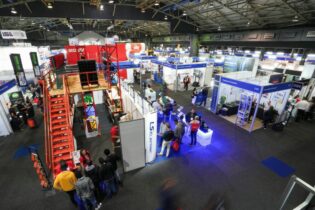
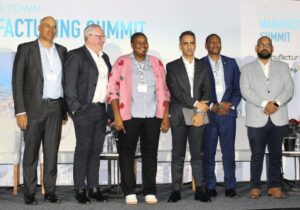
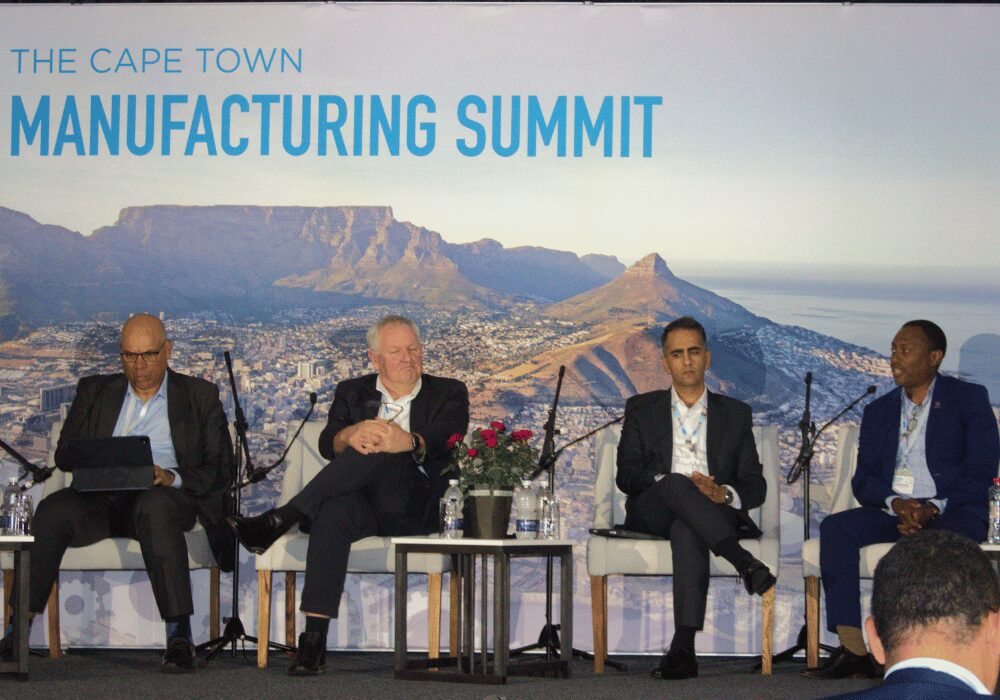
This was among the key issues explored at the Cape Town Manufacturing Summit on 11 November 2026 hosted by the City of Cape Town, Invest Cape Town and Manufacturing Indaba. The summit brought together industry stakeholders to examine opportunities and challenges shaping manufacturing growth, including financing, investment and infrastructure development. During a panel discussion titled “Financing Manufacturing Growth: Unlocking Capital, Incentives and Investment for Infrastructure”, SACQSP Registrar Mr Mfezeko Gwazube highlighted the importance of involving Quantity Surveyors and Cost Consultants in the early stages of manufacturing project development. He noted that a promising business idea does not necessarily translate into a bankable project. Businesses seeking investment must demonstrate a clear understanding of their establishment and operational costs, anticipated returns and potential risks. Growth, he emphasised, should also be assessed in terms of profitability and long-term commercial sustainability.“Not every good business idea is bankable, and not every risk is acceptable. Businesses need to understand whether their projects make commercial sense, what it will cost to implement them and whether the anticipated returns justify the investment,” said Gwazube.
 This requires more comprehensive project planning, including feasibility studies, cost engineering, life-cycle costing, price modelling and scenario planning. These competencies help businesses assess financial exposure, anticipate disruptions and make informed investment decisions before committing capital.
The location of manufacturing facilities is another important consideration, particularly in relation to proximity to suppliers, access to distribution networks and target markets. Such factors can significantly influence operating costs and the overall viability of a project.
The discussion highlighted an important consideration for the manufacturing sector: securing funding is only one part of building a sustainable business. Having the right expertise to assess costs, manage risks and guide investment decisions is equally important.
Ultimately, commercially sound projects are better positioned to attract investment, sustain operations and contribute to South Africa’s broader industrial development.