
Pikitup is expanding recycling and waste recovery facilities in Johannesburg to reduce landfill reliance, support co-operatives and strengthen the circular economy.
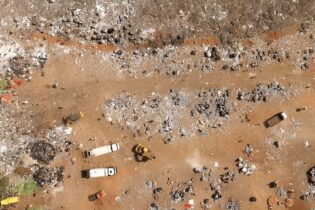
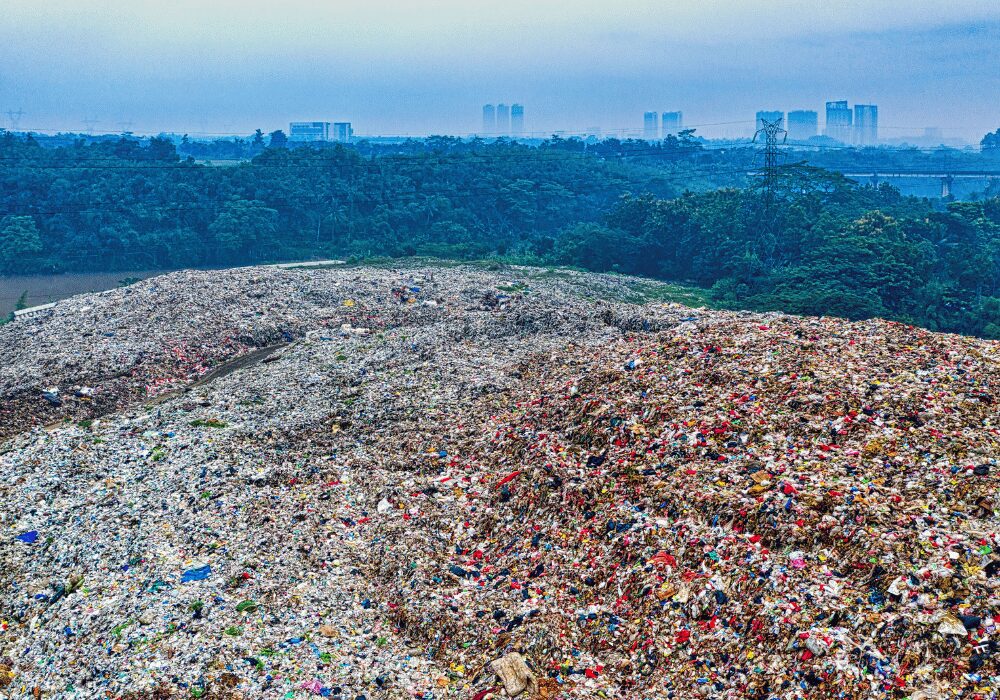
In the not-too-distant future, the man-made “mountains” that have long dominated Johannesburg’s skyline, such as Pikitup‘s Robinson Deep, Goudkoppies, Ennerdale and Marie Louise landfill sites, will gradually become a thing of the past.
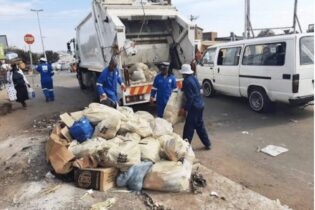
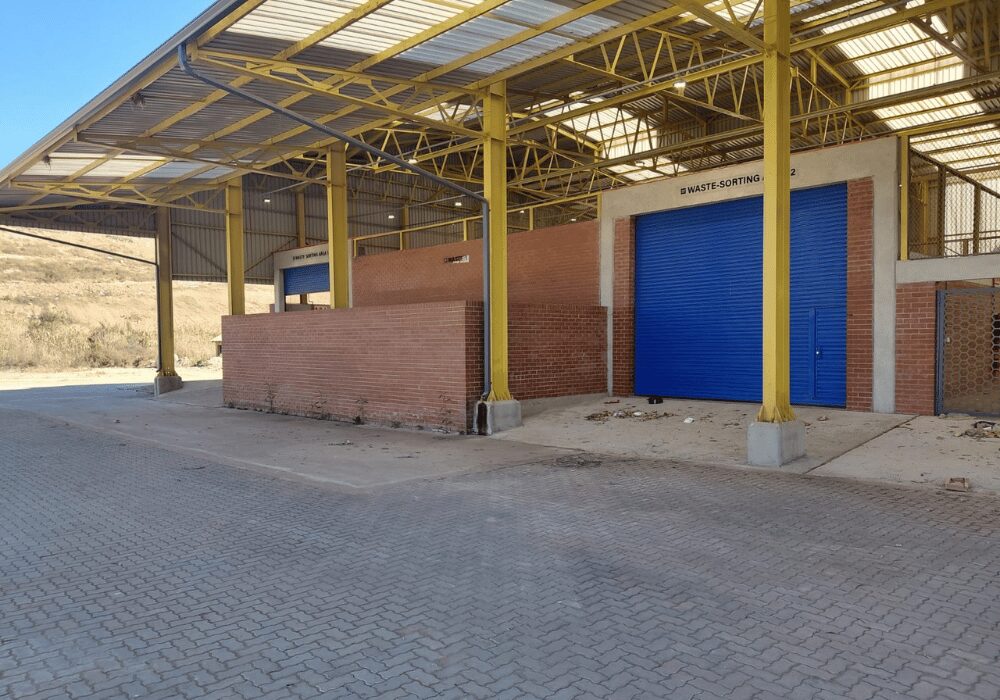
The partial closure of the Marie Louise and Ennerdale landfill sites is a clear indication that landfilling is no longer a sustainable long-term waste management solution. Instead, these sites are paving the way for more advanced and sustainable waste management practices centred on recycling, resource recovery and the circular economy. Evidence of this transformation is already visible across the city. The waste management landscape is changing rapidly, as demonstrated by the growing number of waste entrepreneurs who compete with Pikitup’s collection vehicles and personnel for recyclable materials. Items once regarded as waste are increasingly being recognised as valuable economic resources capable of creating jobs, generating income and supporting local industries. This transition away from landfilling, in line with the National Waste Management Strategy and the principles of waste minimisation, has led to the establishment of material recovery and sorting facilities at several of Pikitup’s landfill sites. Robinson Deep Landfill is one such example, where a dedicated sorting facility has been developed to support waste recovery initiatives.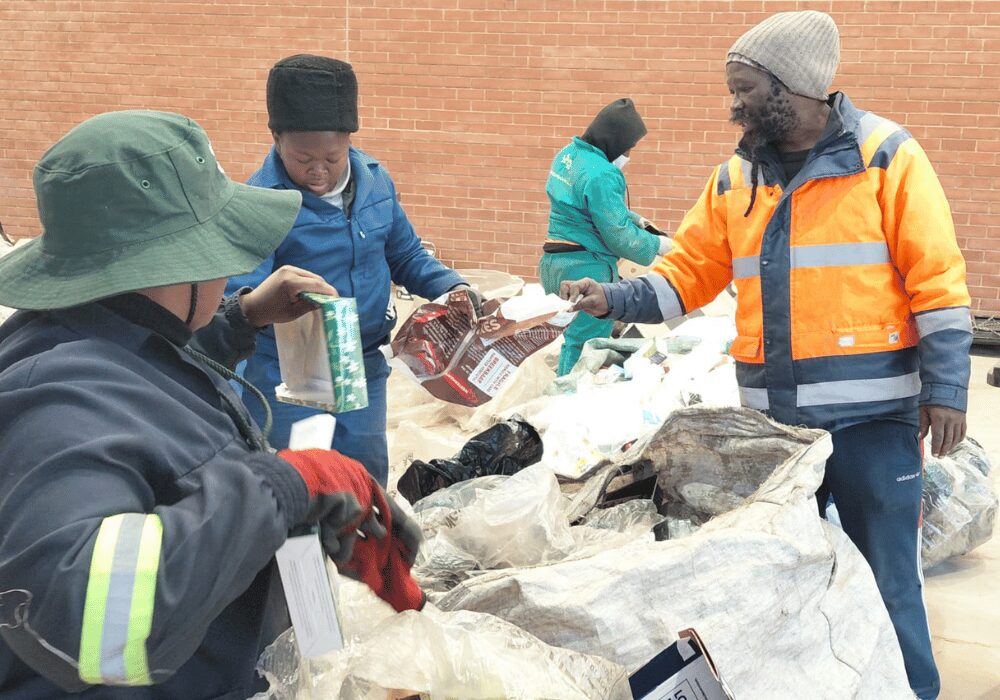
Pikitup envisions sorting facilities as a means to displace traditional landfilling
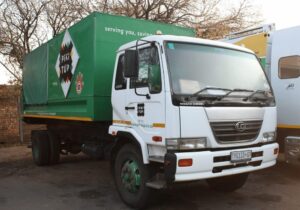
“It is a wonderful place. We now have toilets, running water and shelter. Before, we were exposed to the elements and could not work during severe weather conditions. I am grateful because this facility gives us dignity and makes us feel valued.”The ABMP Cooperative recovers and recycles cans, cardboard, glass bottles and plastic. In addition to providing operating space, Pikitup has also made a truck available to the cooperative to assist with the collection of recyclable materials from communities primarily serviced by the Southdale Depot.

Another cooperative benefiting from the facility is the Goranola Cooperative, which has five directors and employs ten workers. One of its directors, Mr Koikoi Maruping, developed a passion for environmental conservation long before entering the recycling industry. He previously volunteered in initiatives aimed at eliminating illegal dumping sites in his community before establishing the cooperative.
Maruping described the opportunity to operate from Pikitup’s sorting facility as a significant improvement.“We used to operate from a dark and unsuitable area, but now we have a proper facility with essential amenities. I only wish the space was larger, but we are grateful for this opportunity.”
Unlike traditional garden refuse sites, these integrated facilities accept a wider range of recyclable materials, including cardboard, cans, plastic, glass, used oil and small quantities of builders’ rubble, in addition to garden waste
Pikitup is further expanding its recycling infrastructure through the construction of large sorting facilities at the decommissioned Linbro Park Landfill. At present, several cooperatives operate from the site under temporary open-air conditions. Once completed, the new development will provide safer, more efficient and weather-resistant workspaces for many more recycling cooperatives. Approximately five sorting facilities are currently under construction, with the project estimated to be about 90% complete. Once operational, the facilities will significantly enhance Pikitup’s material recovery capacity while creating additional opportunities for small recycling enterprises. The construction of sorting facilities is only one aspect of Pikitup’s broader waste diversion strategy. The entity is also upgrading its garden sites into fully integrated waste management facilities designed to encourage recycling and responsible waste disposal.
 Unlike traditional garden refuse sites, these integrated facilities accept a wider range of recyclable materials, including cardboard, cans, plastic, glass, used oil and small quantities of builders’ rubble, in addition to garden waste. By providing residents with convenient locations to separate and dispose of recyclable materials responsibly, these facilities will further reduce the volume of waste sent to landfill.
Through these initiatives, Pikitup is laying the foundation for a modern, resource efficient waste management system that views waste not as something to be discarded, but as a valuable resource capable of creating employment, stimulating economic growth and protecting the environment for future generations.