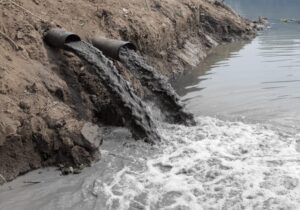
Wastewater contains untapped resources that, if reclaimed, could power agriculture, global sanitation, and its own treatment to help meet United Nations’s Sustainable Development Goals, according to a review published in Frontiers in Science in February 2026.
Every year, the global community produces about 359 billion m3 of wastewater, enough to fill the Garriep Dam, South Africa’s largest dam, 68 times over.
Half of global wastewater is discarded, with the rest expensively and inefficiently treated for re-use. Emerging microbially powered tech could reclaim these resources from the drain, save money, and reduce environmental harm.
“Globally, our wastewater contains over 800 000 GWh of chemical energy, equivalent to the annual output of 100 nuclear power plants. It’s also rich in nutrients used in agricultural fertilisers, which, if reclaimed, could supply 11% of global demand for ammonia and about 7% for phosphate,” says lead author Prof Uwe Schröder at the University of Greifswald, Germany.
This new review by an international team of researchers explores how technologies using electricity-generating bacteria could help reclaim resources currently being flushed away.
However, the researchers argue that deploying this on a larger scale will need a broad coalition of researchers, water providers and policymakers to overcome its challenges, which range from the over-regulation of circular economics to engineering obstacles.
A circular economy of energy and nutrients
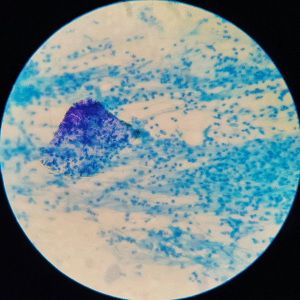
Microbes within wastewater are overlooked and could yield new ways of utilising waste as a resource
The researchers discuss microbial electrochemical technologies (METs) as a more efficient way to treat wastewater, using microbes known as electrogenic bacteria.
While microbes are already used to treat wastewater through anaerobic digestion, this approach converts just 28% of chemical energy to electricity. By contrast, METs can be integrated into these systems to boost energy recovery and improve overall treatment efficiency.
These bacteria transfer electrons to their surroundings, creating an electrical current when they are connected to electrodes in a fuel cell. In laboratory settings, they can convert up to 35% of wastewater’s chemical energy into electricity. The authors say that, in principle, the power generated could even help run the water sector itself, which currently accounts for around 4% of global energy use.
The microbes can also help to extract nutrients from wastewater, cleaning it for further use. Critical fertiliser ingredients are typically produced in these energy-intensive or unsustainable processes. Removing these compounds from wastewater would have the double benefit of reclaiming valuable resources and reducing pollution, as releasing nutrient-rich wastewater can cause algal blooms in waterways, which starve fish of oxygen.
“These are valuable chemicals that we cannot afford to throw away. After removal, the resulting water can be reused in many ways, like watering crops or industrial cooling. It could then be further treated to produce drinking water,” says co-author Dr Elizabeth Heidrich from Newcastle University, United Kingdom.
There may be many other niche applications, from recycling nutrients in hydroponic systems to powering self-sustaining sensors that detect pollution.
SDG 6
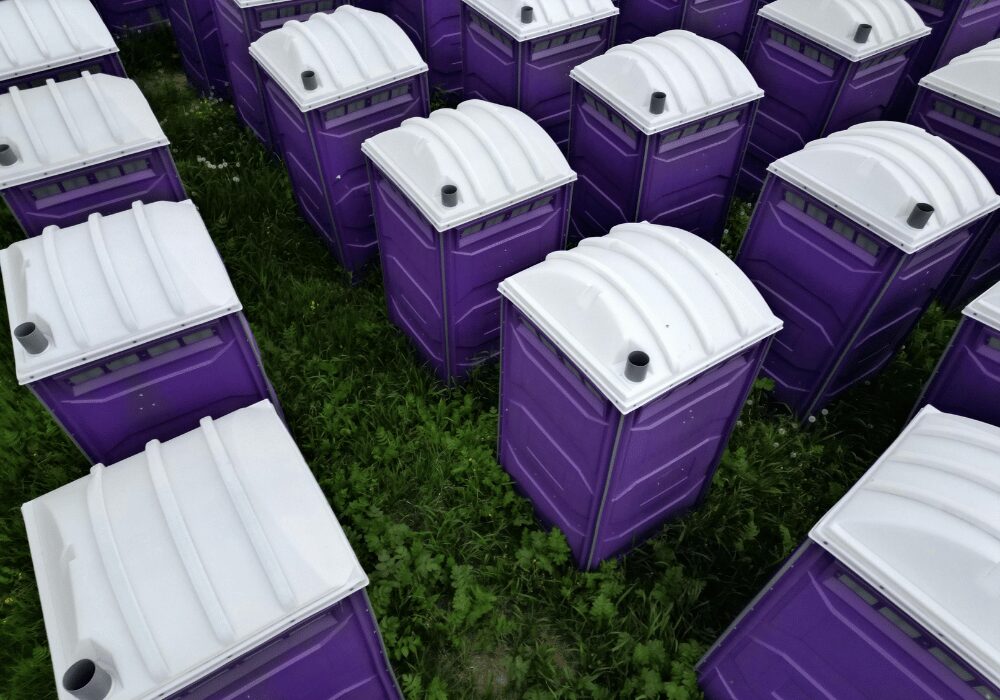
Urine powered electricity has been piloted for lighting outdoor toilets
The researchers argue that, by enhancing both sanitation and resource recovery, METs present a compelling solution to address the Sustainable Development Goal (SDG) 6 to ensure availability and sustainable management of water and sanitation for all.
METs have proved efficient in pilot trials, offering the opportunity to treat more water under a wider range of conditions. For example, a urine-powered MET called Pee Power® was trialled at the Glastonbury Festival in 2015, one of the world’s largest outdoor music festivals. It has since proved successful in longer-term field trials in Uganda, Kenya, and South Africa. The system converts wastewater to electricity, powering lighting around the toilets to reduce safety risks in areas without an electricity supply.
“Globally, about 3.5 billion people cannot access dignified sanitation. Expanding wastewater treatment could help improve living conditions for many of the world’s poorest people, as well as prevent ecological damage. METs could be a local solution to turn harmful sewage into a valuable resource,” says co-author Prof Ioannis Leropoulos from the University of Southampton, who also serves as a director of MET-C, which is commercialising the microbial fuel cell technology.
Overcoming obstacles

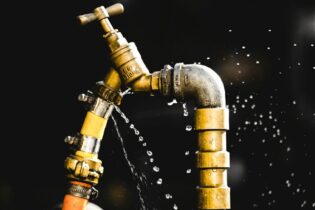
The microbes can also help to extract critical fertilizer elements from wastewater
Despite their potential, these technologies face challenges to widespread adoption. Tight regulatory frameworks are often not suited for circular economies that repurpose waste. For example, in many countries, urine-derived fertiliser cannot be used for growing food or animal feed.
There are also engineering obstacles in ensuring that the MET materials maintain high performance when running continuously.
“While it would be a stretch to imagine powering our homes with wastewater, METs could enhance existing water treatment processes. Rolling METs out widely would be especially beneficial for heavily loaded types of wastewater or in places where existing treatment is too expensive or doesn’t reach everyone,” says co-author Prof Falk Harnisch, from the Helmholtz Centre for Environmental Research, Germany.