

Scrap metal compliance is key to strengthening South Africa’s circular economy, with traceability, regulation and informal sector integration among the sector’s biggest challenges.

Alfred Julius Ueckermann, general manager at Circular Energy
“The informal collectors feed the formal recyclers. Rather than having distinct sectors It comes along as one system.”He explains that the industry is highly price-driven, with commodity values determining collection volumes and operational efficiency. “It’s high volume, it’s fast paced, and I feel that the formal industry is very advanced in processing, advanced pricing, processing techniques, and the system works.” He frames the industry as highly efficient, which is why the industry should focus on compliance to ensure its efficacy as South Africa moves towards more circular economic models. Compliance in the sector is shaped by environmental legislation, trade controls and law enforcement mechanisms, including the National Environmental Management: Waste Act, Extended Producer Responsibility (EPR) Regulations, ITAC export restrictions and the Second-Hand Goods Act.
Operations and the elephant in the room
While the sector is fragmented, with informal and formal collectors operating under vastly differing circumstance, Ueckermann stresses it is not willfully uncomplianantnoncompliant, but that operational realities often make compliance difficult in practice, adding, “because it’s high volume, it’s fast-moving transactions. There is a mixed load of commodities that’s coming into the scrap industry.” He also explains that administrative systems often struggle to keep pace with operational speed, particularly where paper-based processes remain dominant within the informal sector. “Compliance is harder in practice than on paper,” he notes, adding that “systems aren’t always aligned with operations.” Ueckermann is not coy about the reality that the scrap metal industry has a reputation for facilitating stolen and vandalised metals. While he does say that some collectors are less scrupulous than others, the actual problem is not actively engaging with crime but a matter of traceability.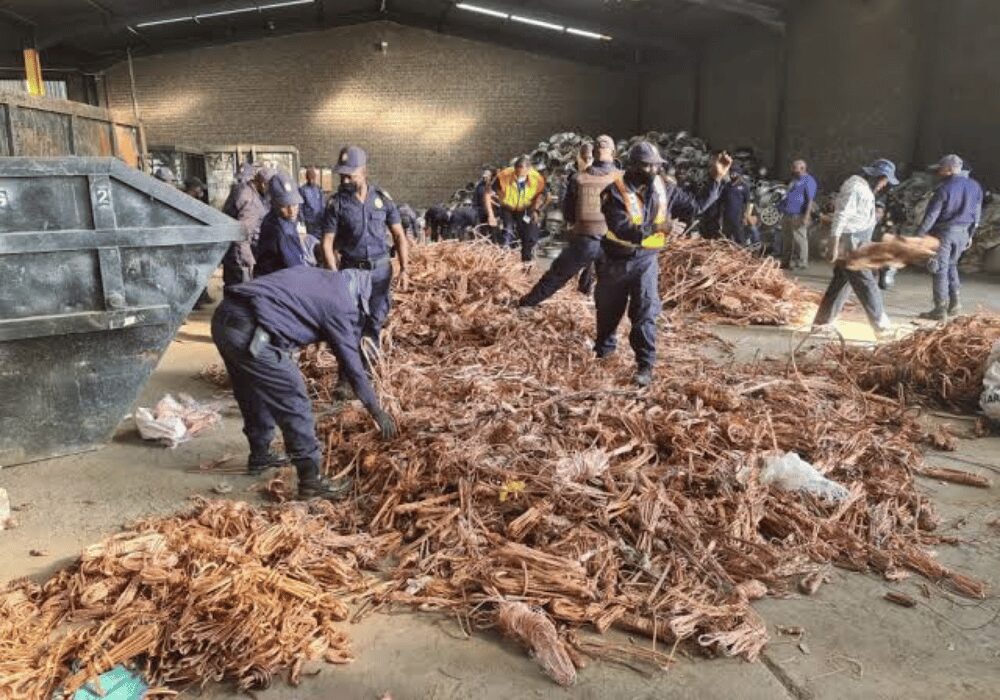
The scrap metal industry must address compliance to gain trust and be efficient
“Where are you going to trace this small piece of steel? Where are you going to get your copper from if there’s no traceability?” Ueckermann asks.The presentation identifies traceability of material flows, integration of the informal sector, fragmented regulation, economic pressures and theft as key systemic challenges facing the industry. Ueckermann openly addresses the issue of illegal activity within the sector, particularly infrastructure and copper theft. “The part that we don’t like to talk about in the scrap industry is the illegal trade and the non-compliance,” he says. “Copper and infrastructure-related theft is massive. It’s an ongoing thing, and it’s a difficult thing to talk about, but the scrap industry isn’t going anywhere. We have to get them aligned.” He explains that illegal flows of material, cash-based transactions and unregistered operators complicate compliance efforts and distort recycling data.
“Data and traceability are core to compliance,” he says.The presentation further notes that non-compliance is often driven by broader socio-economic conditions rather than simple bad behaviour.
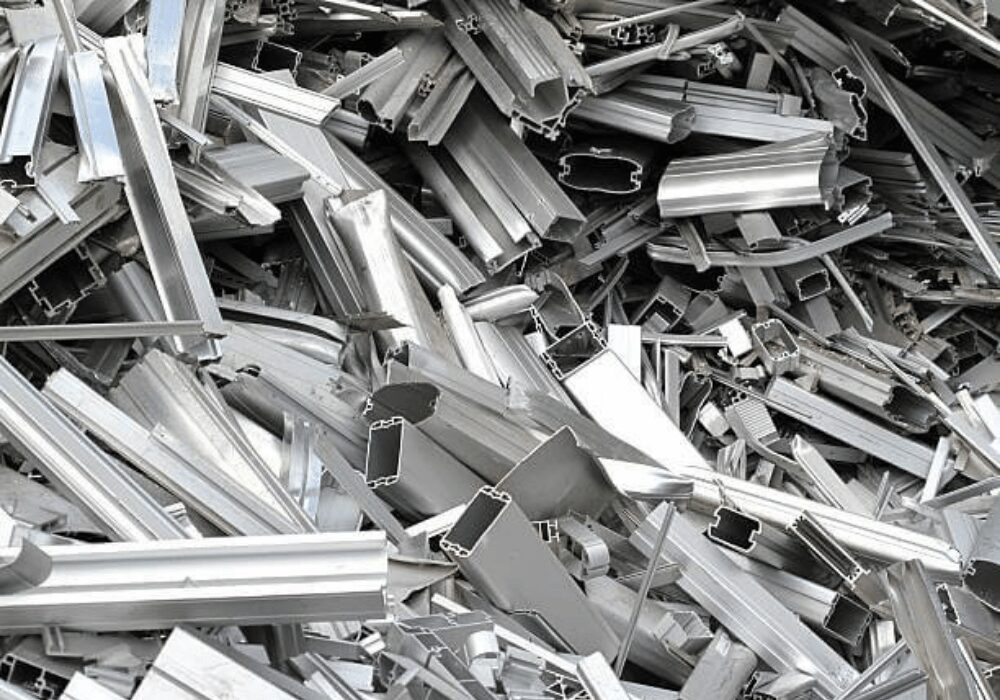
Traceability is major obstacle in the scrap metal space

“They line up on the roads. It’s unsafe. They wait for days. There’s no food,” he says.He suggests that better integration between formal scrap operators and informal reclaimers could improve both compliance and livelihoods. On the issue of self-regulation, Ueckermann points to stronger enforcement of existing legislation, particularly the Second-Hand Goods Act.
 “The rules already state I need to keep the stock that I bought for seven days,” he says. “I think if that can be followed right through, and it can be enforced, it is already in the regulations.”
Commodity price volatility also remains a concern for waste pickers and reclaimers.
“A lot of the scrap industry is based on the London Metal Exchange,” Ueckermann explains. “Local scrap metal pricing is influenced by international commodity prices, particularly the London Metal Exchange, as well as exchange rate movements and local market conditions.
He advises reclaimers to work with compliant companies offering transparent pricing structures, saying “Work with the people that are doing the right thing.”
“The rules already state I need to keep the stock that I bought for seven days,” he says. “I think if that can be followed right through, and it can be enforced, it is already in the regulations.”
Commodity price volatility also remains a concern for waste pickers and reclaimers.
“A lot of the scrap industry is based on the London Metal Exchange,” Ueckermann explains. “Local scrap metal pricing is influenced by international commodity prices, particularly the London Metal Exchange, as well as exchange rate movements and local market conditions.
He advises reclaimers to work with compliant companies offering transparent pricing structures, saying “Work with the people that are doing the right thing.”Ueckermann concludes that the industry already delivers strong circular economy outcomes, but that compliance systems must evolve in a way that strengthens rather than disrupts existing operations. “There is an opportunity to strengthen the system, not to rebuild the system,” he says. “If alignment is achieved, it allows for a system that is not only compliant, but also practical, inclusive and sustainable.”