
By creating a continuous protective layer between steel and the environment, zinc coatings play a vital role in preventing corrosion and extending asset lifespan.
Corrosion is a significant threat to the integrity of steel structures, resulting in major maintenance and replacement costs across industry sectors. One of the primary ways zinc coatings combat corrosion is through what is known as barrier protection.
Barrier protection refers to the ability of a zinc coating to form a continuous metallic layer that separates steel from the surrounding environment. By preventing moisture, oxygen, and other corrosive elements from reaching the steel surface, the coating helps stop rust before it can begin.A durable protective barrier
 Barrier protection forms an important part of zinc’s effectiveness as a corrosion-control solution. “Zinc coatings create a durable protective barrier between steel and the environment. Of course, one must also take the galvanic protection offered by zinc into consideration as this is a key component of its anti-corrosion protection role,” explains Simon Norton, Director of the International Zinc Association (IZA) Africa.
By limiting contact with moisture and other corrosive agents, the coating helps extend the service life of steel assets across a wide range of applications. Barrier protection is used in numerous zinc coated products, for example zinc rich paints, zinc thermal spray and hot dip galvanizing of steel.
Barrier protection forms an important part of zinc’s effectiveness as a corrosion-control solution. “Zinc coatings create a durable protective barrier between steel and the environment. Of course, one must also take the galvanic protection offered by zinc into consideration as this is a key component of its anti-corrosion protection role,” explains Simon Norton, Director of the International Zinc Association (IZA) Africa.
By limiting contact with moisture and other corrosive agents, the coating helps extend the service life of steel assets across a wide range of applications. Barrier protection is used in numerous zinc coated products, for example zinc rich paints, zinc thermal spray and hot dip galvanizing of steel.
This includes galvanised steel employed in construction, transportation, utilities, and industrial infrastructure. The effectiveness of the barrier depends on the integrity of the coating. When properly applied and maintained, zinc coatings can provide years of reliable protection even in demanding environments. Add an organic coating over the zinc coating and a duplex coating system is created which is hugely protective against a corrosive environment and provides years of life.
An additional level of protection
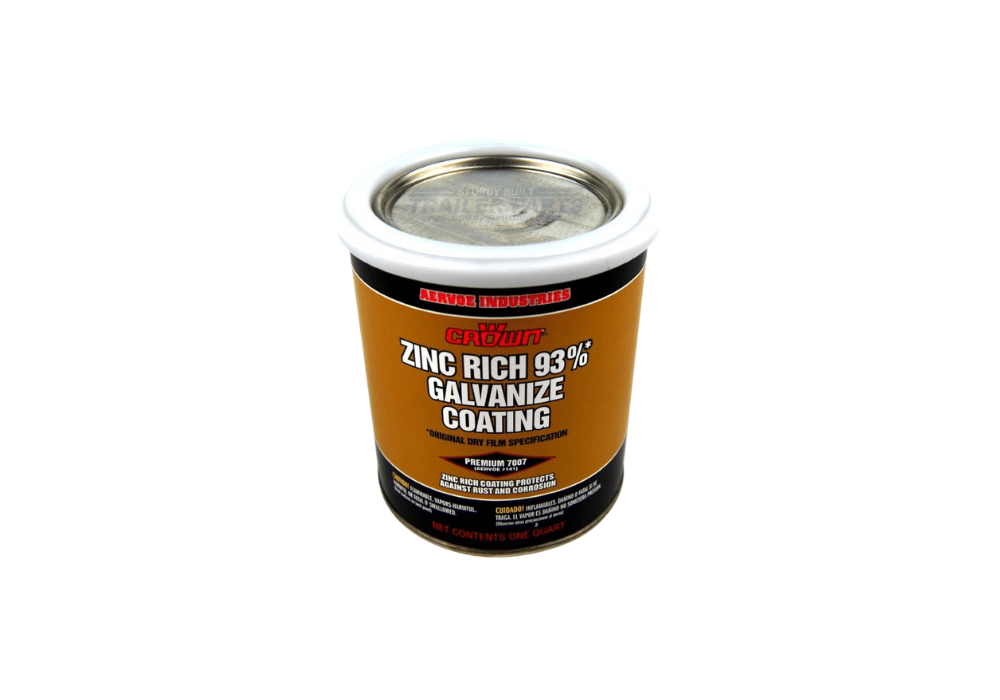
Zinc Rich 93% Galvanize Coating
“Zinc is unique because it provides multiple layers of protection,” adds Norton. “Barrier protection is the first line of defence, while zinc’s cathodic sacrificial properties offer additional security if the coating is compromised,” he concludes.