
Dr Nontutuzelo Pearl Gola, director of biodiversity mainstreaming at SANBI
Nature as infrastructure
Ecological infrastructure is often described as the nature-based equivalent of built infrastructure, but its importance is still widely underestimated. “Just as with built infrastructure, it is important to manage, invest in maintaining, restoring and rehabilitating ecological infrastructure,” says Gola. When functioning properly, these ecosystems provide services such as flood attenuation, water purification, sediment retention and disaster risk reduction, services that would otherwise require expensive engineered solutions. Yet South Africa’s ecological infrastructure is under severe pressure. The National Biodiversity Assessment of 2025 reveals that rivers and wetlands are the most threatened and least protected ecosystems in the country. “Over 60% of river and wetland types are threatened, while less than 10% are well protected,” Gola notes. These systems face a convergence of pressures, including altered water flows, pollution, land-use change, invasive alien plants and failing wastewater infrastructure. “Rampant infestation of invasive alien plants causes significant water loss from aquatic ecosystems,” Gola explains, while increasing nutrient loads from poorly maintained sewerage systems and urban and agricultural runoff degrade water quality. Human settlements encroaching on wetlands and rivers, along with livestock overgrazing, further compound the problem. Ecological infrastructure does not operate in isolation. In many cases, it directly supports built infrastructure and reduces long-term costs. Rivers, wetlands and high-rainfall catchments enhance both water quality and water quantity, while also protecting dams, treatment plants and settlements from extreme events.“Ecological infrastructure can support and, in some instances, complement built or engineered infrastructure, saving costs associated with its maintenance,” says Gola. Healthy wetlands upstream of dams, for example, trap sediment and pollutants before they reach water treatment facilities, lowering purification costs and extending infrastructure lifespan.These systems are also critical for disaster risk reduction. “Ecological infrastructure can decrease the vulnerability of people and built infrastructure to damage during extreme events like floods and droughts,” Gola explains. Buffer zones of intact ecosystems slow water flows, reduce flood peaks and protect downstream communities.
Water security and the limits of engineered solutions
With South Africa approaching the limits of its dam-building potential, ecological infrastructure is becoming increasingly central to water security planning. “There is a growing recognition that South Africa is running out of options to build new engineered solutions such as dams, which are also technically demanding and costly,” says Gola. Instead, the focus is shifting towards maximising existing water resources.“Healthy ecological infrastructure, such as wetlands, rivers and Strategic Water Source Areas, can directly support water security by increasing stream flow and water storage in soils, preventing or delaying sediment build-up in dams, improving water quality and reducing flood damage by storing and slowly releasing flood waters,” she says.The consequences of neglecting ecological infrastructure are already visible across the country. When these systems are damaged or destroyed, they lose their ability to deliver essential services.

“Expansion of industries such as mining, inappropriate agricultural practices, inadequate land-use planning and poor operation and maintenance of wastewater infrastructure have increased these challenges,” Gola explains.
Degraded ecosystems increase the vulnerability of built infrastructure during extreme events and drive up maintenance and repair costs, a burden that ultimately falls on municipalities and consumers.A case study: the Mthinzima Wetland
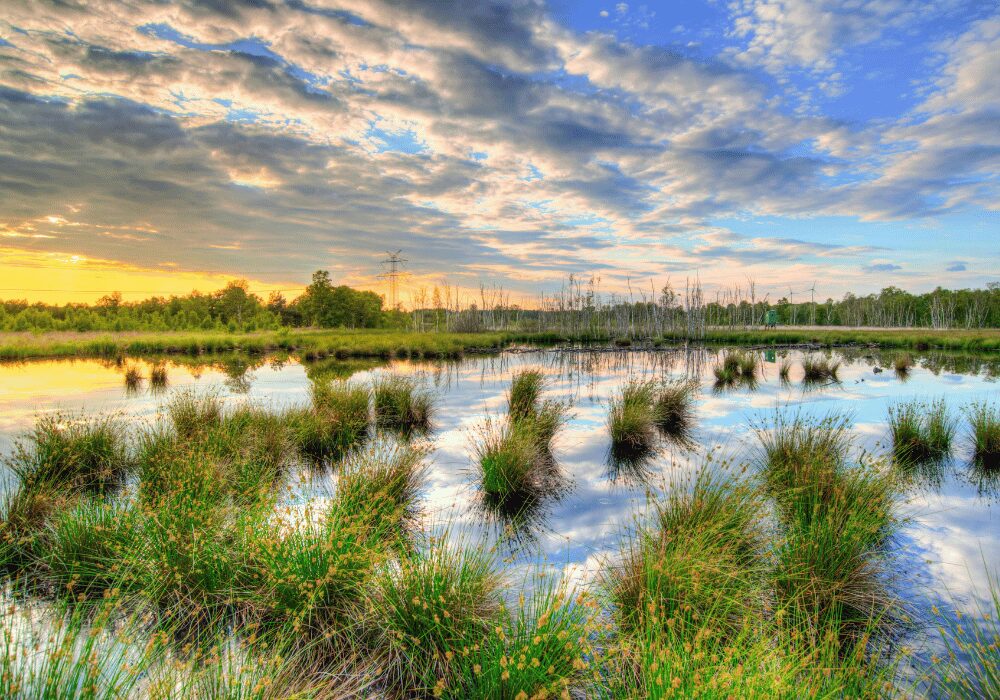
Ecological infrastructure refers to the naturally functioning ecosystems that generate or deliver valuable services to people
Wetlands and flood control
Beyond water quality and supply, wetlands play a vital role in flood management. “Different types of wetlands may play different roles in flood control,” Gola explains. Peatlands act like sponges, absorbing rainfall and releasing it slowly, while floodplains allow water to spread out, reducing its depth and speed. However, these benefits are lost when wetlands are disturbed. “Building settlements on floodplains should be avoided because it alters their function and results in those settlements being flooded,” she warns. As climate risks intensify, SANBI argues that ecological infrastructure must be treated as a strategic national asset. Protecting and restoring these systems is not only an environmental imperative, but a cost-effective investment in water security, disaster resilience and long-term development.“Ecological infrastructure supports biodiversity, livelihoods and the economy,” Gola concludes. “Healthy ecosystems are fundamental to South Africa’s ability to adapt to climate change and secure water for future generations.”

Duncan Nortier